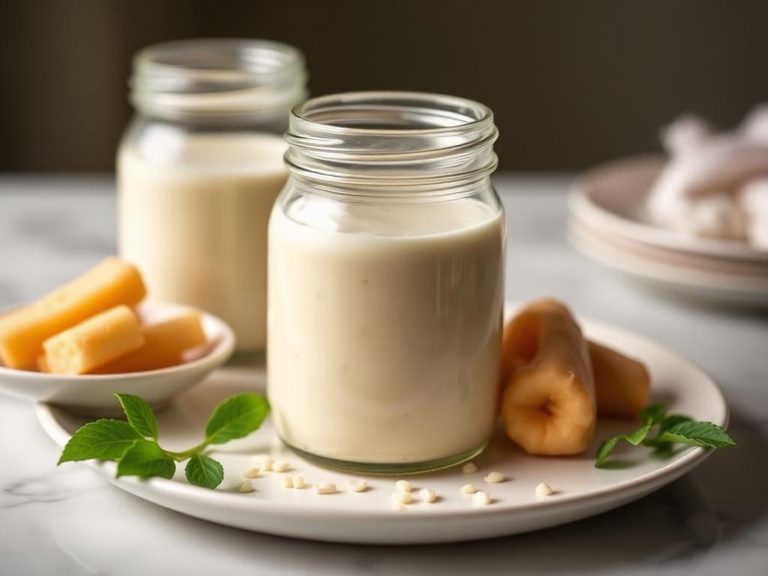
Dried for long-term storage
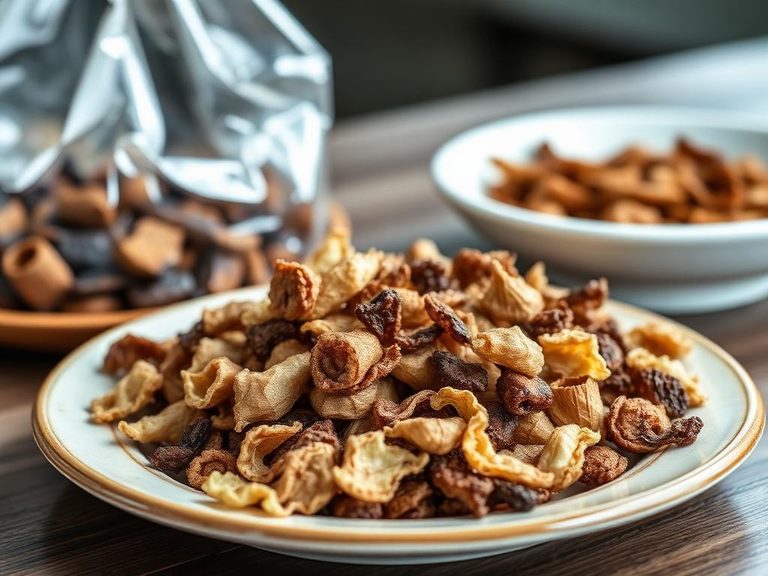
Dried for long-term storage refers to various foods preserved by removing moisture to extend shelf life, such as dried fruits, vegetables, meats (jerky), and legumes. Common ingredients include apples, mangoes, peas, lentils, and beef, with methods originating from ancient cultures worldwide for survival and trade. This category encompasses diverse items like sun-dried tomatoes from the Mediterranean, beef jerky from various regions, and dried beans common in global cuisines.
🍽️ Nutrition at a glance
Dried foods are typically high in carbohydrates (especially fruits and legumes) or protein (like jerky), with minimal fat unless added during processing. They provide concentrated nutrients such as fiber, iron, and potassium, with calorie counts varying widely—for example, dried fruit can have 200-300 kcal per 100g, while jerky may offer 150-250 kcal per 100g.
Nutrition breakdown
| Calories | 150 kcal |
| Protein | 3 g |
| Carbs | 28 g |
| Fat | 4 g |
| Fiber | 4 g |
| Sugar | 20 g |
| Sodium | 10 mg |
| Potassium | 200 mg |
| Iron | 1.5 mg |
| Magnesium | 25 mg |
| Vitamin C | 5 mg |
| Vitamin A | 80 IU |
| Calcium | 30 mg |
| Phosphorus | 50 mg |
| Zinc | 0.5 mg |
Per 1/4 cup (40 g) mixed dried fruit and nuts · estimated, varies by recipe
💡 What's interesting
Drying is one of the oldest food preservation techniques, used across cultures from Native American pemmican to Asian dried noodles, allowing seasonal foods to be available year-round. Nutritionally, drying concentrates nutrients and can enhance certain antioxidants, though it may reduce heat-sensitive vitamins like vitamin C.