Breast milk storage for later use
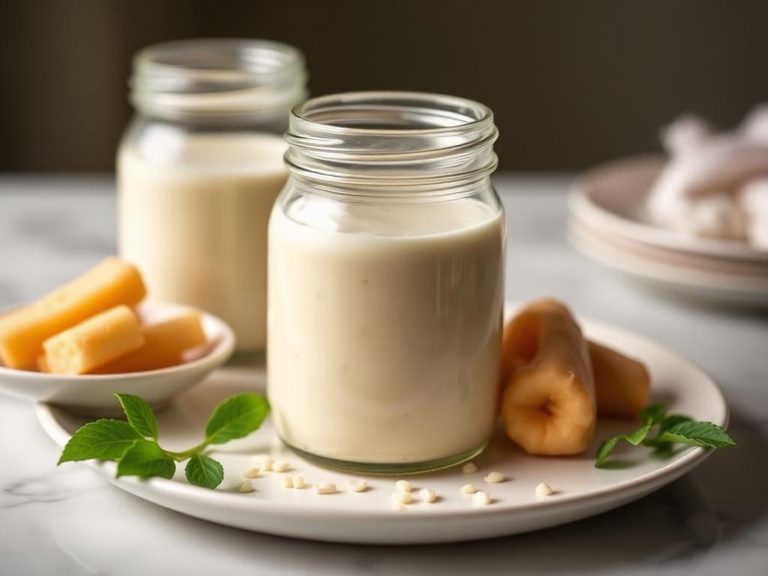
Breast milk storage for later use refers to the practice of expressing and preserving human breast milk to be fed to an infant at a later time. The sole ingredient is expressed human breast milk, typically from a lactating parent. This practice is a fundamental aspect of infant care worldwide, facilitated by modern storage methods like refrigeration and freezing.
🍽️ Nutrition at a glance
Breast milk is a nutritionally complete food for infants, with a balanced composition of fats, carbohydrates, and protein that changes to meet a baby's needs. It is rich in essential nutrients and antibodies, providing approximately 170-200 calories per 240ml (1 cup) serving.
Nutrition breakdown
| Calories | 172 kcal |
| Protein | 3.3 g |
| Carbs | 14 g |
| Fat | 8.7 g |
| Fiber | 0 g |
| Sugar | 14 g |
| Sodium | 42 mg |
| Calcium | 79 mg |
| Vitamin D | 1.1 mcg |
| Vitamin B12 | 0.1 mcg |
| Vitamin A | 55 mcg |
| Potassium | 350 mg |
| Magnesium | 3.5 mg |
| Zinc | 0.17 mg |
| Selenium | 1.8 mcg |
Per 1 cup (240 ml) · estimated, varies by recipe
💡 What's interesting
Uniquely, breast milk is a dynamic, living fluid; its composition adapts in real-time to a baby's health needs, even containing antibodies to fight infections the parent is exposed to. It is considered the gold standard for infant nutrition, with no commercial formula able to fully replicate its complex biological components.