Home fortification of breast milk
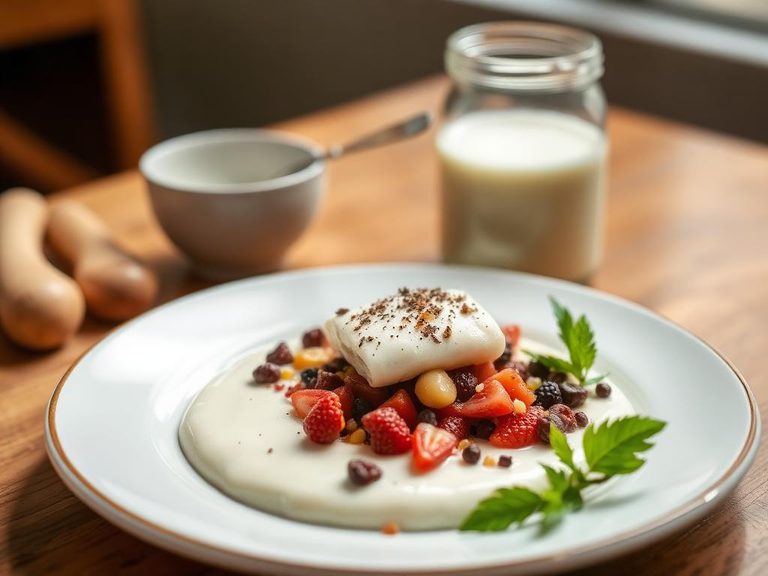
This is not a single dish, but a traditional Chinese postpartum dietary practice focused on enhancing a new mother's breast milk supply and nutritional quality. It typically involves a warm, savory soup or congee made with a base of fish, pork, or chicken, combined with ingredients like ginger, vinegar, sesame oil, and various herbs or vegetables. The practice is deeply rooted in Traditional Chinese Medicine (TCM) principles of nourishment and recovery.
🍽️ Nutrition at a glance
These meals are generally balanced, providing a good mix of protein from the meat or fish, healthy fats, and carbohydrates from the broth or added grains. They are rich in key nutrients like iron, calcium, and various B vitamins, crucial for postpartum recovery, with a typical serving containing a moderate calorie range of 300-500 kcal.
Nutrition breakdown
| Calories | 380 kcal |
| Protein | 25 g |
| Carbs | 15 g |
| Fat | 24 g |
| Fiber | 1 g |
| Sugar | 3 g |
| Sodium | 650 mg |
| Iron | 3.5 mg |
| Calcium | 120 mg |
| Potassium | 450 mg |
| Vitamin B12 | 2.8 mcg |
| Niacin (B3) | 8 mg |
| Phosphorus | 280 mg |
| Selenium | 18 mcg |
| Zinc | 2.5 mg |
Per 1 bowl (350 g) of fish and ginger soup with broth · estimated, varies by recipe
💡 What's interesting
Culturally, this practice is a cornerstone of the 'zuoyuezi' or 'sitting the month' tradition, where the mother's diet is carefully managed for healing and lactation. Nutritionally, the emphasis on warm, easily digestible broths and specific ingredients like ginger and black vinegar is believed in TCM to promote circulation, dispel 'cold', and nourish the body's 'qi' and blood.