

Rhubarb, wild, leaves (Alaska Native)
Whole food · American Indian/Alaska Native Foods

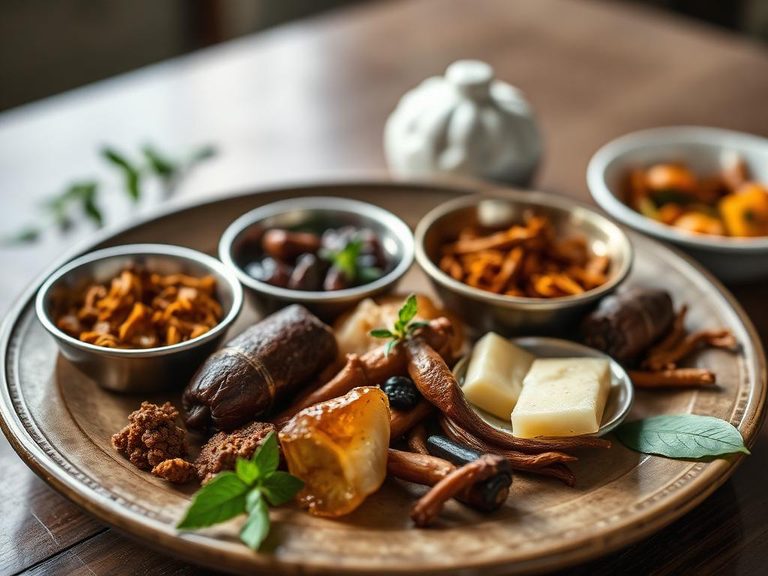
Photo: Wikipedia
Wild rhubarb leaves from Alaska Native traditions are a tart, leafy green with a crisp, celery-like texture and a sharp, lemony tang. Nutritionally, they are a low-calorie source of plant-based protein, providing 4.2 grams per 100 grams. They are distinct from the more common garden rhubarb stalks, offering a unique foraged flavor profile.
Calorie split: 28% protein · 65% carbs · 7% fat
↓ Full nutrition💚 Why it's loved
People cherish wild rhubarb leaves for their intensely tart, bright flavor that cuts through rich foods and adds a wild, foraged element to dishes. In Alaska Native cuisine, they represent a connection to seasonal rhythms and traditional foodways.
⚠️ Watch-outs & how to enjoy it better
The leaves contain high levels of oxalic acid, which can be harmful if consumed raw or in large quantities, and may contribute to kidney stone formation in susceptible individuals. To mitigate this, always cook the leaves thoroughly (boiling and discarding the water can reduce oxalates) and consume them in moderation as part of a varied diet.
Key benefits
- Provides plant-based protein for muscle maintenance.
- Very low in fat and calories, aiding in weight management.
- Contains vitamin K, which is essential for blood clotting.
- Offers a natural source of antioxidants.
- Traditionally used as a seasonal, foraged food source.
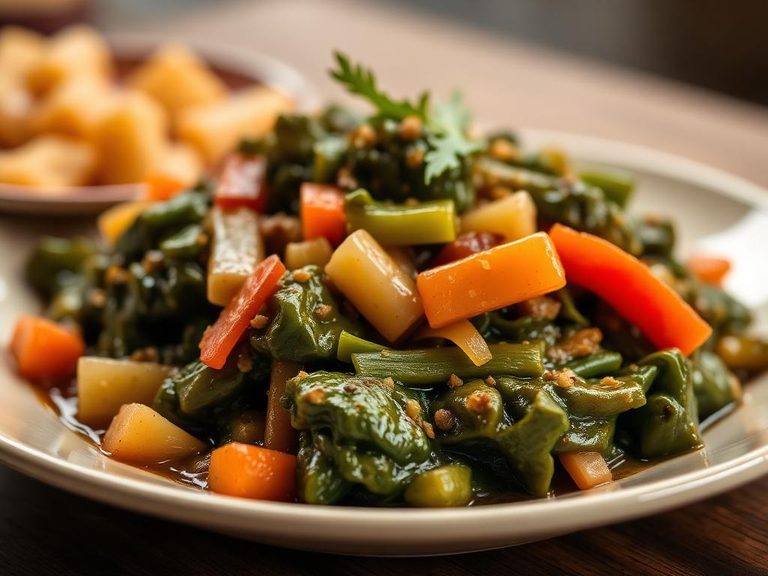
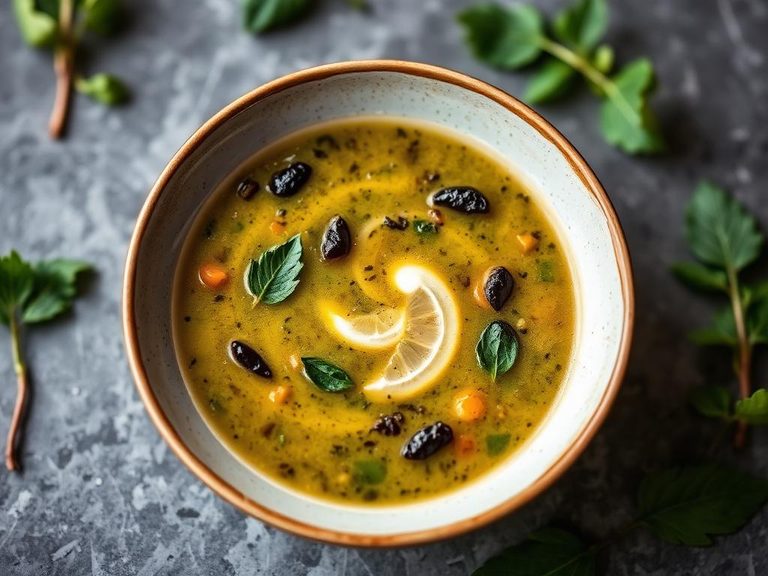
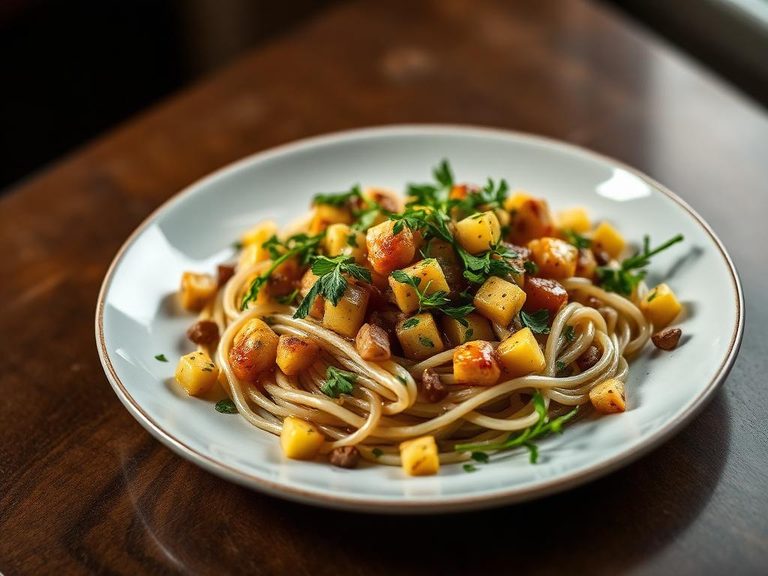
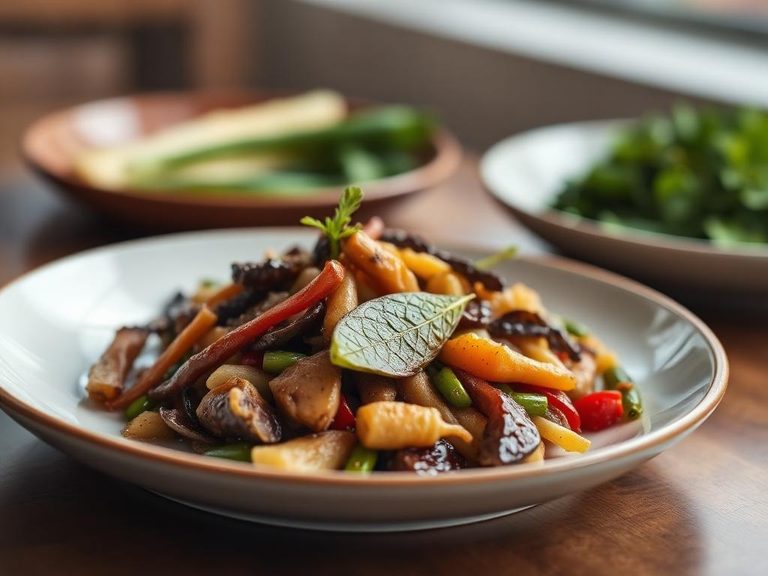
🍽️ Popular dishes
🌍 Where it's eaten
💡 Did you know?
While garden rhubarb is grown for its edible stalks, the wild variety used by Alaska Natives is specifically harvested for its leaves, which require careful preparation to neutralize their natural compounds.
Full nutrition (USDA data · scales with serving)
| Water | 83.5 g |
| Energy | 61.0 kcal |
| Energy | 255 kj |
| Protein | 4.2 g |
| Total lipid (fat) | 0.50 g |
| Ash | 1.9 g |
| Carbohydrate, by difference | 9.9 g |
| Phosphorus, P | 87.0 mg |
| Vitamin C, total ascorbic acid | 33.0 mg |
| Thiamin | 0.10 mg |
| Niacin | 0.10 mg |
| Vitamin A, IU | 4480 iu |
FAQ
Are wild rhubarb leaves the same as the stalks from garden rhubarb?
No. Garden rhubarb is cultivated for its tart stalks, and its leaves are discarded due to high oxalic acid. Wild rhubarb leaves, as used in Alaska Native traditions, are specifically foraged and prepared as a leafy green.
How should I prepare them to make them safe to eat?
They must be cooked thoroughly. A common method is to boil the leaves in water for several minutes, then drain and discard the cooking water to help reduce oxalic acid content before further cooking or adding to dishes.
What does it taste like?
It has a pronounced sour, tangy flavor similar to lemon or sorrel, with a texture that softens upon cooking, akin to cooked spinach but with more body.
Weight-loss friendliness (composite index)
Energy density 0.61 kcal/g · 28% calories from protein · 0.0 g fiber · 0.0 g sugar per 100 g.
Composite of energy density (Rolls et al., 1999), protein & fiber satiety, minus sugar. A calculated heuristic — ranks satiety-per-calorie, not a clinical measure.