Foraged leaf soup
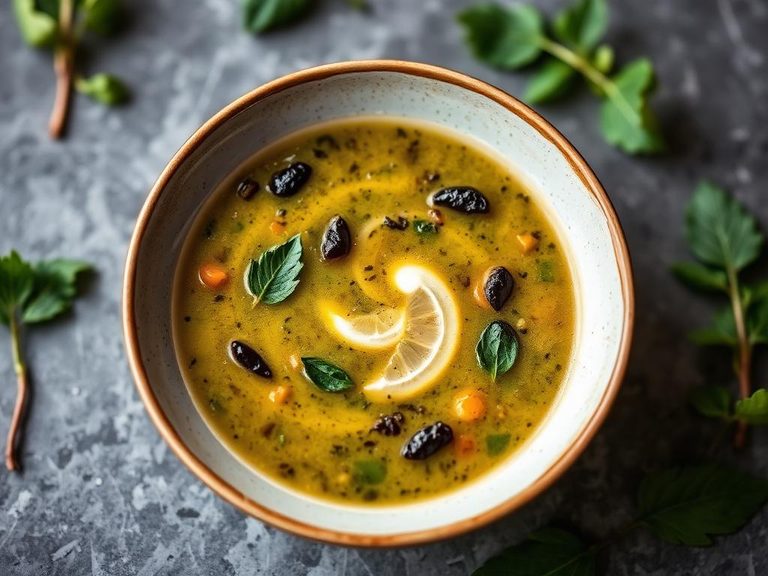
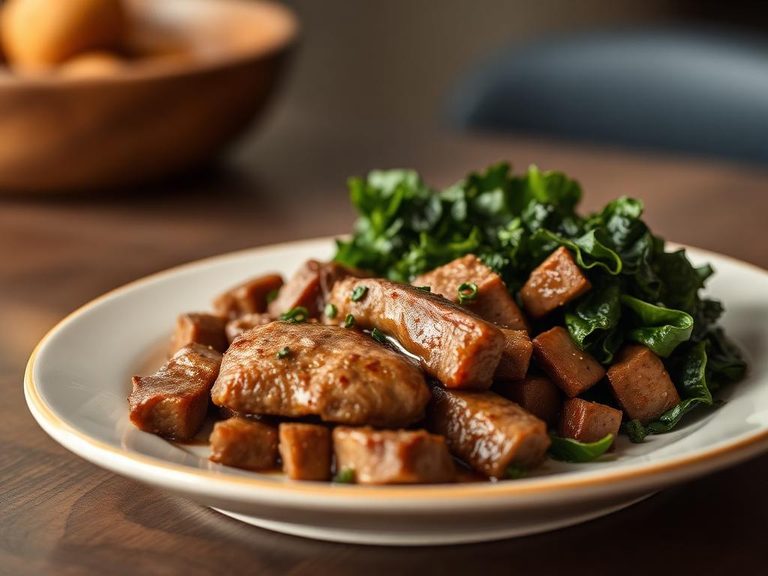
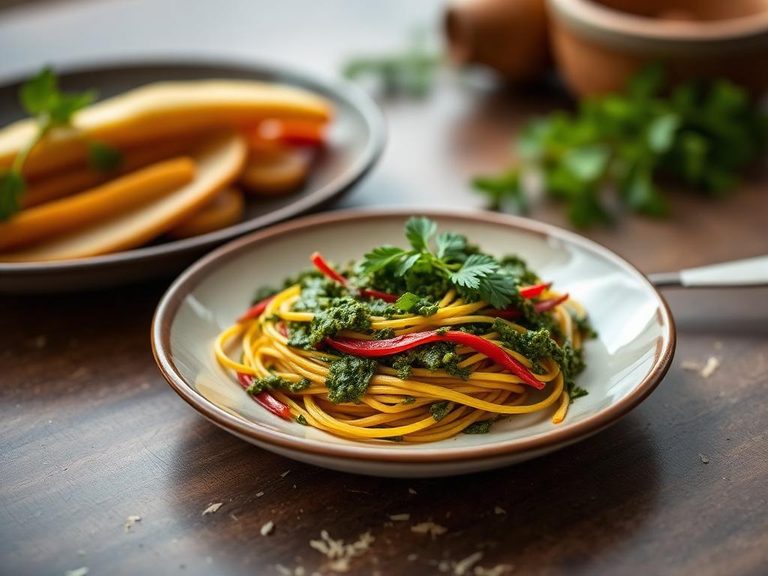
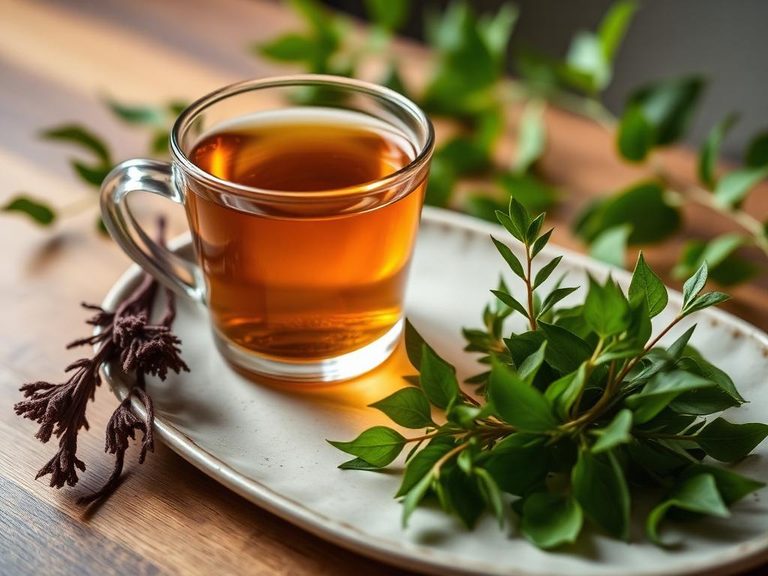
Foraged leaf soup is a rustic, traditional dish made from a variety of wild, edible greens gathered from forests, fields, or gardens. Common ingredients include nettles, dandelion greens, sorrel, wild spinach, or other seasonal leaves, often simmered with onions, garlic, and sometimes potatoes or grains. This dish has roots in many cultures worldwide, particularly in European, Asian, and North American foraging traditions, where it represents a connection to seasonal, local food sources.
🍽️ Nutrition at a glance
Foraged leaf soup is typically low in calories and carbohydrates, with minimal fat and protein unless added ingredients like beans or meat are included. It is rich in essential vitamins (like A, C, and K), minerals (such as iron, calcium, and potassium), and dietary fiber, making it a nutrient-dense option. A standard serving usually ranges from 50 to 100 calories, depending on the specific greens and any added fats or broths.
Nutrition breakdown
| Calories | 75 kcal |
| Protein | 4.5 g |
| Carbs | 10 g |
| Fat | 1.5 g |
| Fiber | 5 g |
| Sugar | 2 g |
| Sodium | 300 mg |
| Vitamin A | 450 mcg |
| Vitamin C | 30 mg |
| Vitamin K | 200 mcg |
| Iron | 3 mg |
| Calcium | 120 mg |
| Potassium | 350 mg |
| Magnesium | 40 mg |
| Manganese | 0.8 mg |
Per 1 cup (240 g) · estimated, varies by recipe
💡 What's interesting
Culturally, foraged leaf soup embodies the practice of wild food gathering, which is both a survival skill and a way to celebrate biodiversity and seasonal rhythms. Nutritionally, wild greens often contain higher concentrations of antioxidants and phytonutrients compared to cultivated vegetables, offering unique health benefits.