Beans, Dry, Tan (0% moisture)
Whole food · Legumes and Legume Products
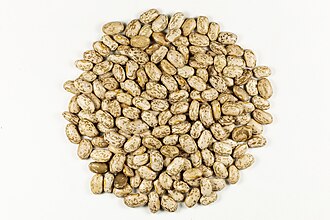
Photo: Wikipedia
These are whole, uncooked tan-colored beans, likely pinto beans or a similar variety, with a firm, dry texture that requires soaking and cooking. Once prepared, they offer a mild, earthy flavor and a creamy yet substantial bite. Nutritionally, they are a powerhouse, delivering an impressive 26.8 grams of protein per 100g in their dry state.
💚 Why it's loved
People love these beans for their incredible versatility—they absorb spices beautifully and form the hearty base of countless stews, chilis, and salads. They are a beloved, affordable staple in many cultures, symbolizing comfort and sustenance.
⚠️ Watch-outs & how to enjoy it better
The primary downside is the presence of oligosaccharides, which can cause gas and bloating. To counteract this, soak the beans for at least 8 hours (or overnight) and discard the soaking water before cooking. Also, introduce them to your diet gradually.
Key benefits
- Excellent source of plant-based protein
- High in dietary fiber for digestive health
- Naturally low in fat and sugar
- Rich in essential minerals like iron and folate
🍽️ Popular dishes
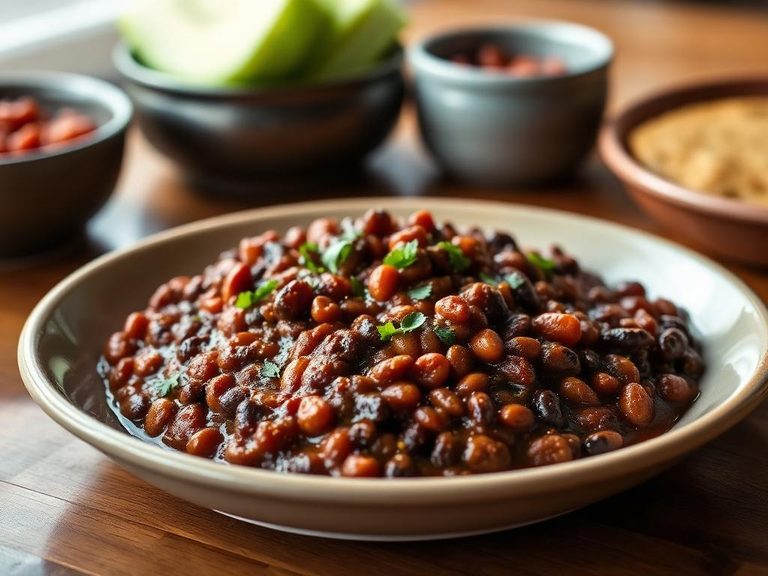
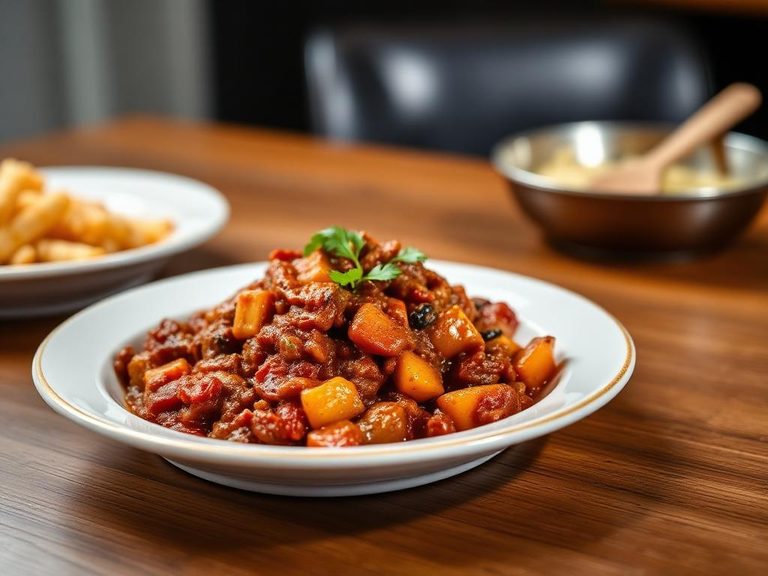
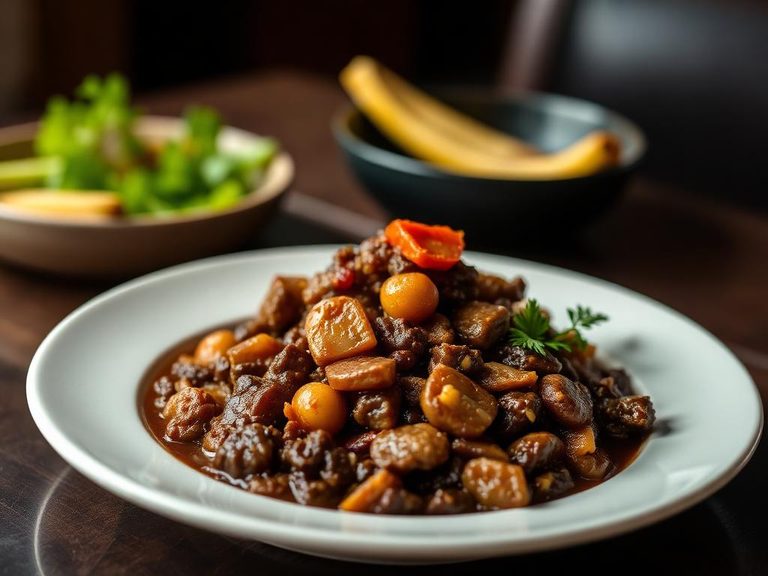
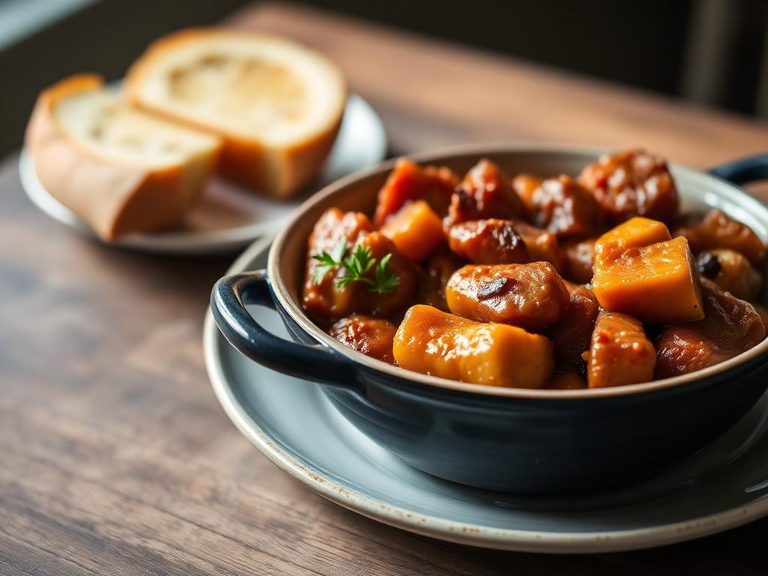
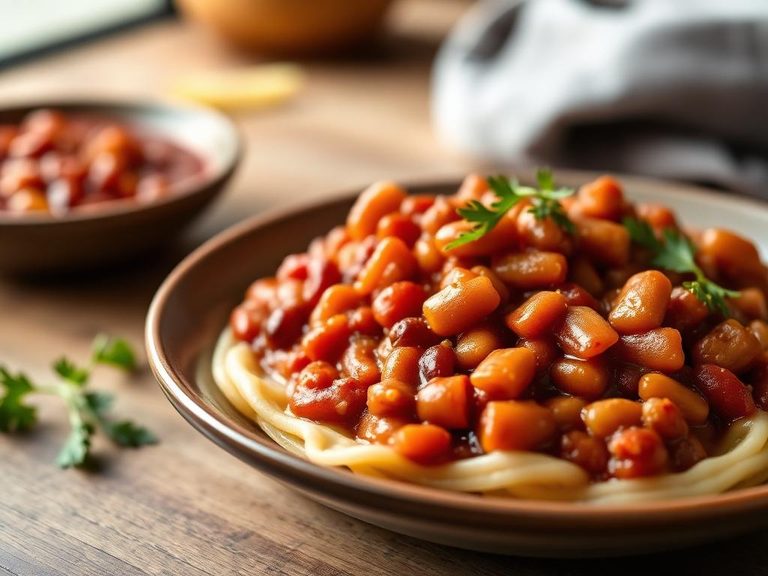
🌍 Where it's eaten
💡 Did you know?
The 0 kcal, 0g carbs listed for the dry bean are a theoretical reference; in reality, dry beans are calorie-dense, but these values likely represent a specific, non-standard preparation or a data error for the raw ingredient.
Full nutrition (scales with serving)
| Water | 0.00 g |
| Protein | 26.8 g |
| Total lipid (fat) | 1.1 g |
| Fiber, total dietary | 4.4 g |
| Starch | 36.0 g |
| Calcium, Ca | 178 mg |
| Iron, Fe | 5.8 mg |
| Magnesium, Mg | 198 mg |
| Phosphorus, P | 555 mg |
| Potassium, K | 1620 mg |
| Zinc, Zn | 3.5 mg |
| Copper, Cu | 1.1 mg |
| Manganese, Mn | 2.2 mg |
| Sulfur, S | 262 mg |
| Nickel, Ni | 166 ug |
| Molybdenum, Mo | 804 ug |
| Cobalt, Co | 43.5 ug |
| Boron, B | 1240 ug |
FAQ
Why are the calories listed as 0?
This is likely a data anomaly or refers to a specific, non-standard preparation. Dry beans are nutritionally dense; a typical 100g of dry pinto beans contains about 340 kcal and 60g of carbs.
How do I prepare them from dry?
Rinse, sort, and soak in cold water for 8-12 hours. Drain, cover with fresh water, and simmer for 1-2 hours until tender. Add salt only near the end of cooking to prevent tough skins.
Are they a complete protein?
Like most legumes, they are low in the amino acid methionine. Pairing them with grains like rice or corn creates a complete protein profile.