Beans, Dry, Medium Red (0% moisture)
Whole food · Legumes and Legume Products

Photo: Wikipedia
Medium red beans, in their dry, uncooked state, are small, oval-shaped legumes with a deep, earthy flavor and a firm, starchy texture that softens into a creamy consistency when cooked. They are a nutritional powerhouse, packing an impressive 25.5 grams of protein per 100g, making them one of the most protein-dense plant foods available. Their rich, nutty taste and ability to absorb surrounding flavors make them a foundational ingredient in countless savory dishes.
💚 Why it's loved
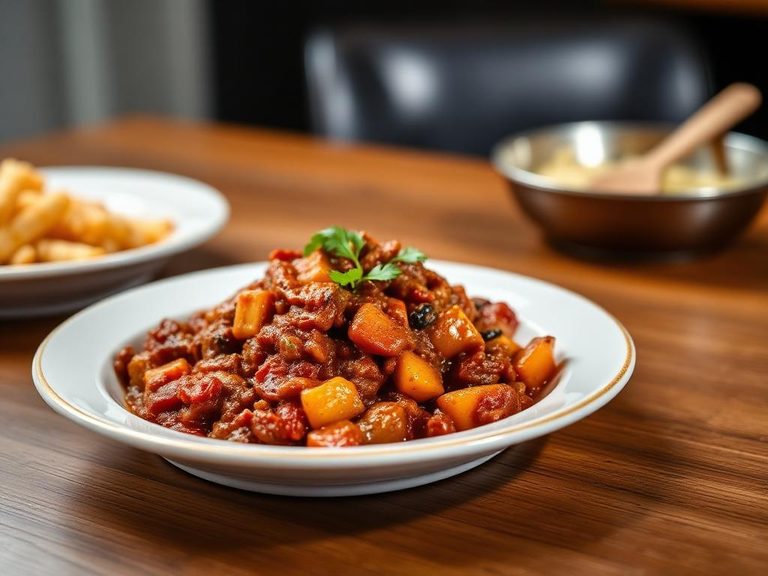
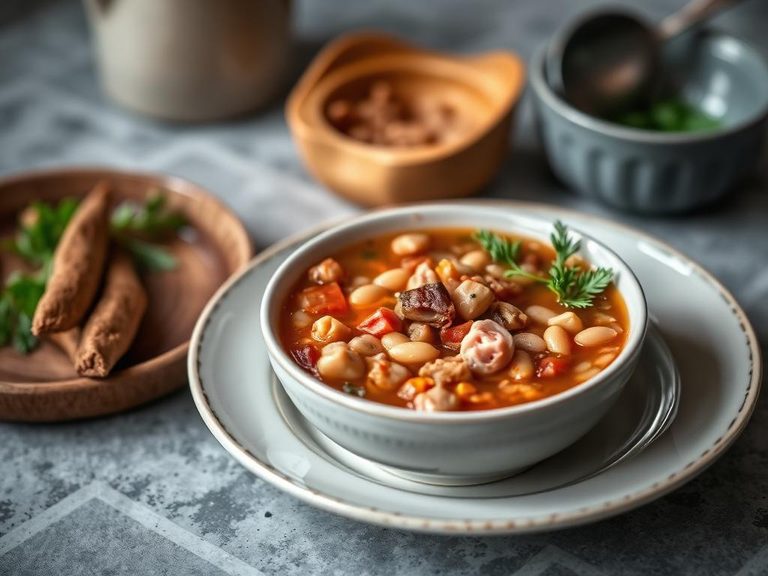
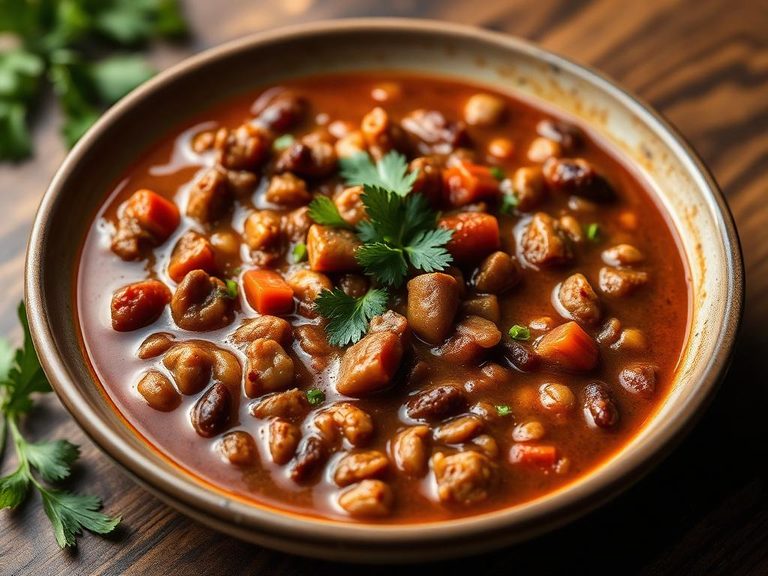
People love medium red beans for their rich, hearty, and slightly sweet flavor that forms the backbone of comfort foods like chili and bean soup. Their versatility is celebrated across cultures, as they hold their shape well in stews but can also be mashed into dips or spreads, absorbing spices and aromatics beautifully.
⚠️ Watch-outs & how to enjoy it better
Dry beans contain oligosaccharides, which can cause gas and bloating in some individuals. To counteract this, soak the beans in water for at least 8-12 hours, discard the soaking water, and cook them thoroughly. They are also a common allergen, and individuals with specific conditions like kidney stones should consult a healthcare provider due to their oxalate content.
Key benefits
- Exceptionally high in plant-based protein (25.5g per 100g dry).
- Good source of dietary fiber (4.3g per 100g dry).
- Naturally very low in fat (1.04g per 100g dry).
- Contains essential minerals like iron, magnesium, and potassium.
- Provides complex carbohydrates for sustained energy.
🍽️ Popular dishes
🌍 Where it's eaten
💡 Did you know?
The '0 kcal' listed for dry beans is a technicality; the nutritional data reflects the raw, dehydrated state. The caloric energy is locked within the complex starches and proteins and is only fully realized and measured after cooking, when the beans absorb water.
Full nutrition (scales with serving)
| Water | 0.00 g |
| Protein | 25.5 g |
| Total lipid (fat) | 1.0 g |
| Fiber, total dietary | 4.3 g |
| Starch | 35.4 g |
| Calcium, Ca | 193 mg |
| Iron, Fe | 6.3 mg |
| Magnesium, Mg | 178 mg |
| Phosphorus, P | 548 mg |
| Potassium, K | 1490 mg |
| Zinc, Zn | 3.8 mg |
| Copper, Cu | 1.0 mg |
| Manganese, Mn | 2.0 mg |
| Sulfur, S | 232 mg |
| Nickel, Ni | 242 ug |
| Molybdenum, Mo | 468 ug |
| Cobalt, Co | 52.5 ug |
| Boron, B | 1210 ug |
FAQ
Why do my dry red beans sometimes stay hard even after cooking?
This is often due to 'hard water' or the presence of salt or acid (like tomatoes) added too early in cooking. Always cook beans in plain water or broth until tender, then add acidic ingredients. Older beans can also take much longer to soften.
What's the difference between red kidney beans and medium red beans?
While similar, medium red beans are typically smaller, more oval, and have a slightly milder, sweeter flavor than the larger, kidney-shaped red kidney beans, which are more robust and commonly used in chili.
Can I use canned beans instead of dry?
Yes, for convenience. One 15-oz can of beans (drained) is roughly equivalent to 1.5 cups cooked beans, which comes from about 3/4 cup dry beans. Rinse canned beans to reduce sodium.