

Willow, young leaves, chopped (Alaska Native)
Whole food · American Indian/Alaska Native Foods

Photo: Wikipedia
Young, tender willow leaves are a traditional Alaska Native spring green, harvested for their mild, slightly tangy flavor with a hint of citrus. They have a delicate, soft texture when young and are typically chopped and cooked. Nutritionally, they are a notable source of plant-based protein and carbohydrates, providing a quick energy boost in early spring.
Calorie split: 20% protein · 68% carbs · 12% fat
↓ Full nutrition💚 Why it's loved
People love it for its unique, mild tanginess that signals the end of winter and the return of fresh, foraged foods. It's cherished as a versatile green that can be used in both savory and slightly sweet preparations, deeply connecting eaters to Alaska Native culinary traditions.
⚠️ Watch-outs & how to enjoy it better
The leaves contain salicylates (related to aspirin), which can cause reactions in sensitive individuals. The tangy flavor may be too mild for some, and overcooking can turn them mushy. To counteract, ensure leaves are very young and tender, and cook them briefly—sautéing or blanching works well. Pairing with a fat like seal oil or a protein like fish can balance the meal.
Key benefits
- Good source of plant-based protein (6.1g per 100g)
- Provides quick energy from carbohydrates (20.7g per 100g)
- Naturally low in fat (1.6g per 100g)
- A traditional, foraged wild food with cultural significance
- Contains vitamins and minerals typical of spring greens
🍽️ Popular dishes
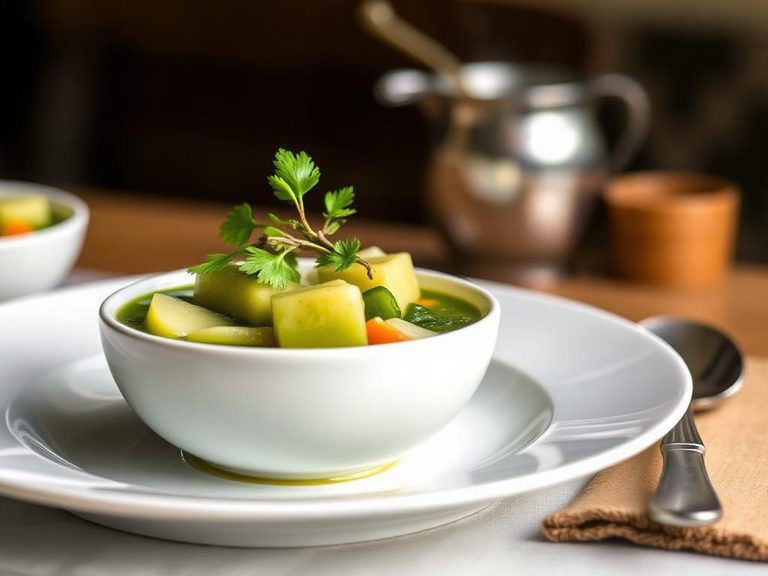
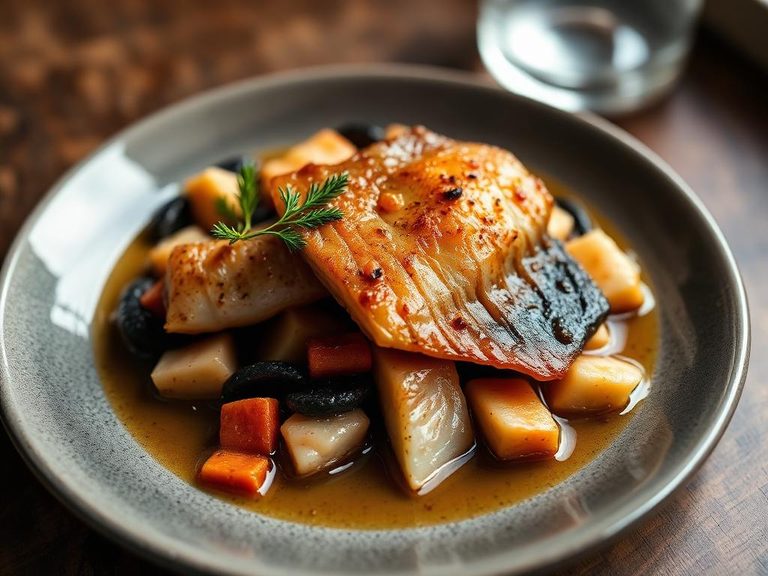
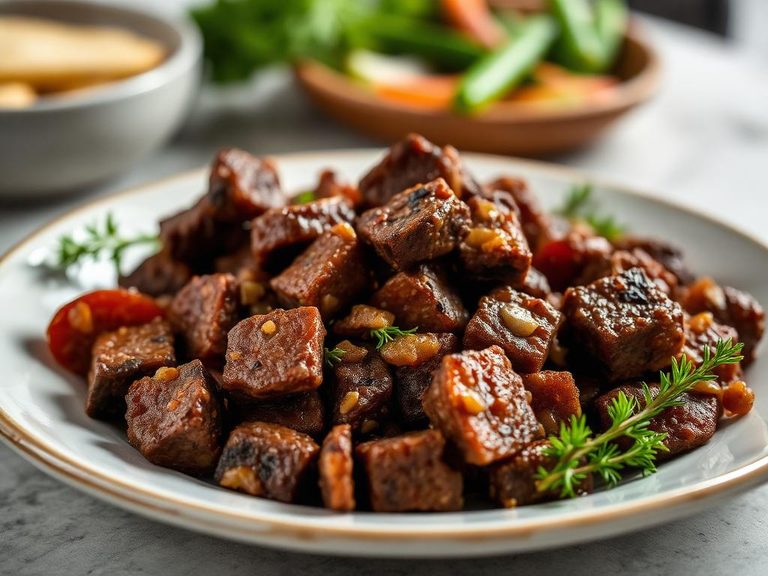
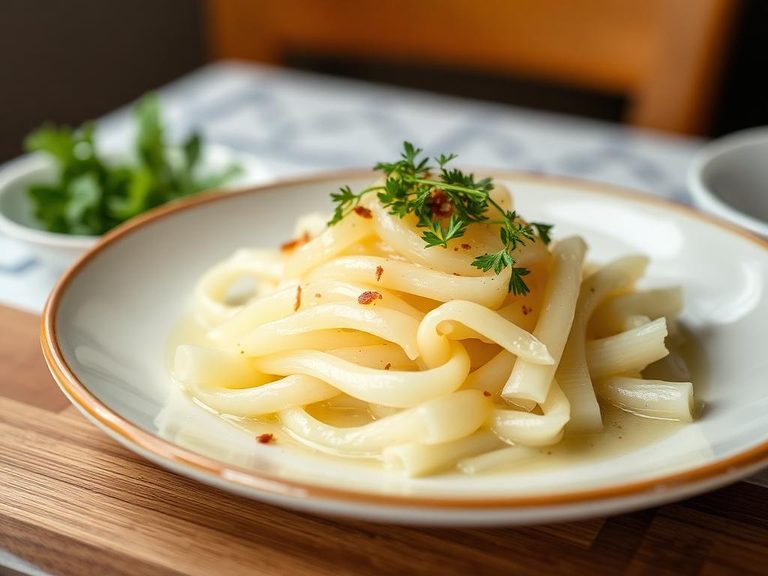
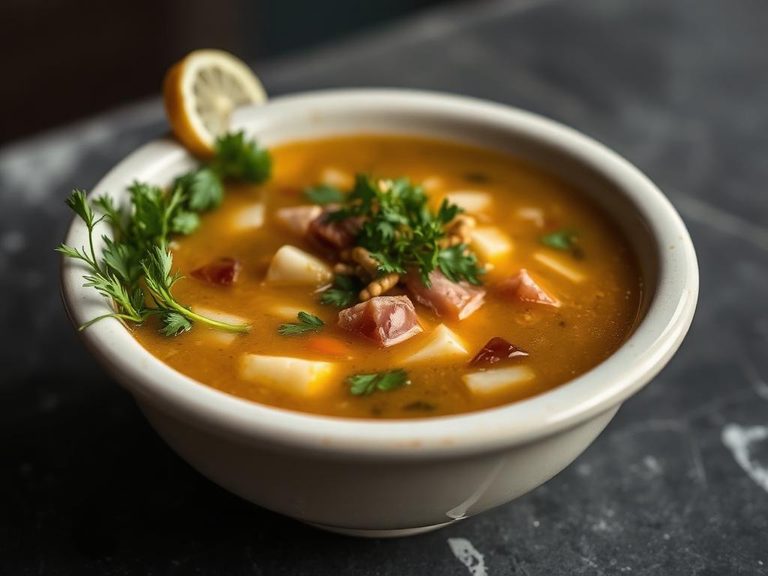
🌍 Where it's eaten
💡 Did you know?
Willow bark contains salicin, the compound that inspired the development of aspirin, and this property is traditionally recognized in the use of the leaves.
Full nutrition (USDA data · scales with serving)
| Water | 68.7 g |
| Energy | 122 kcal |
| Energy | 509 kj |
| Protein | 6.1 g |
| Total lipid (fat) | 1.6 g |
| Ash | 2.9 g |
| Carbohydrate, by difference | 20.7 g |
| Calcium, Ca | 130 mg |
| Iron, Fe | 2.6 mg |
| Phosphorus, P | 126 mg |
| Vitamin C, total ascorbic acid | 190 mg |
| Niacin | 2.3 mg |
| Vitamin A, IU | 18700 iu |
FAQ
What do young willow leaves taste like?
They have a mild, slightly tangy or citrusy flavor, much softer and less astringent than mature leaves. The taste is often described as a gentle, fresh green with a subtle zing.
How are they traditionally prepared?
They are most commonly harvested in early spring, chopped, and then quickly sautéed in animal fat (like seal oil) or added to stews and soups. They are rarely eaten raw due to their texture and potential toughness.
Are there any safety concerns?
Yes. As with many wild plants, correct identification is crucial. Also, the leaves contain salicylates, so individuals with aspirin allergies or sensitivity should exercise caution. They should be harvested only when very young and tender.
Weight-loss friendliness (composite index)
Energy density 1.22 kcal/g · 20% calories from protein · 0.0 g fiber · 0.0 g sugar per 100 g.
Composite of energy density (Rolls et al., 1999), protein & fiber satiety, minus sugar. A calculated heuristic — ranks satiety-per-calorie, not a clinical measure.