Added to Broth-based Soups
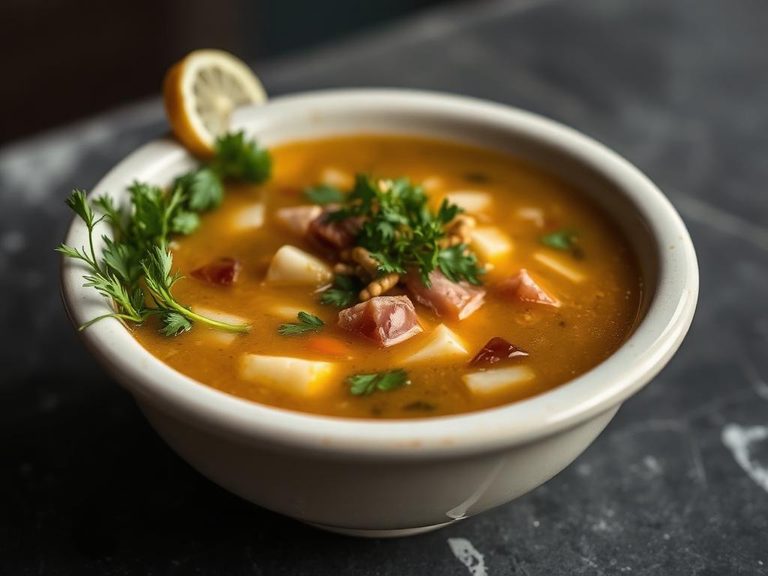
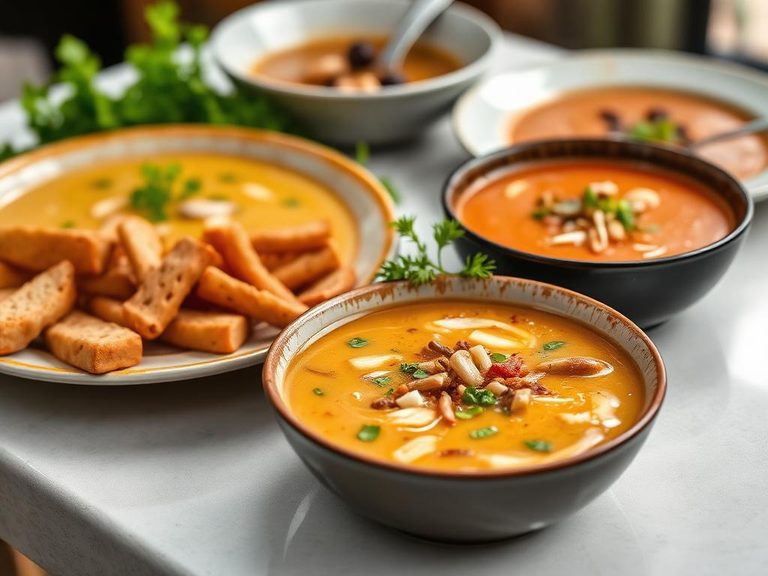
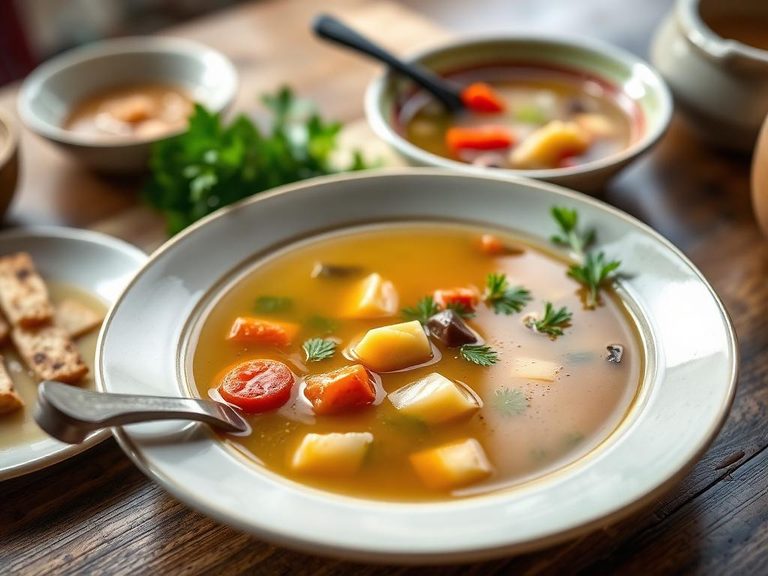
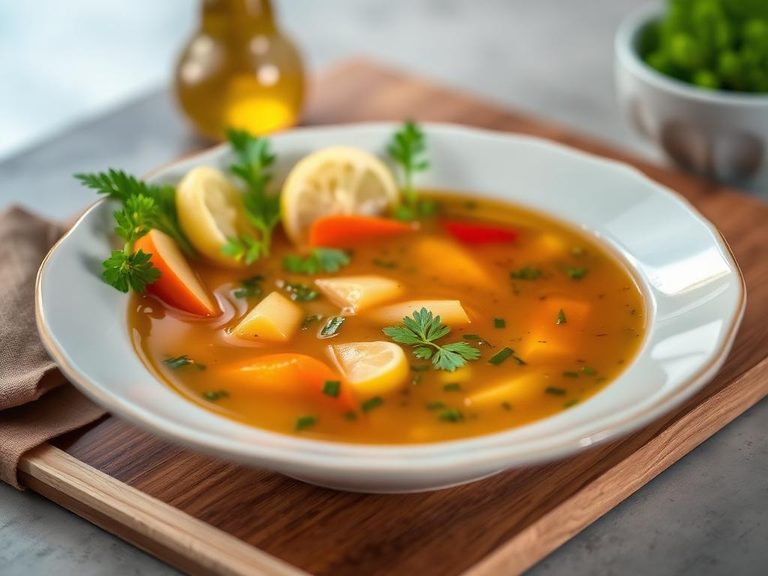
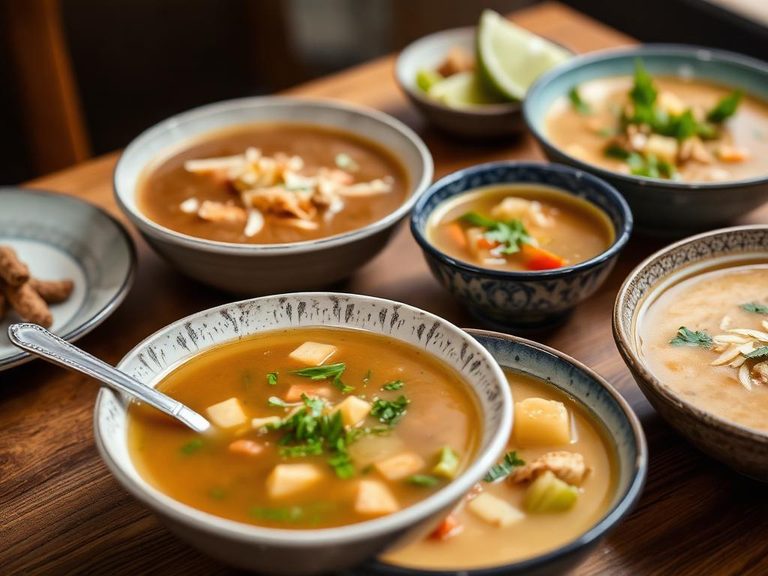
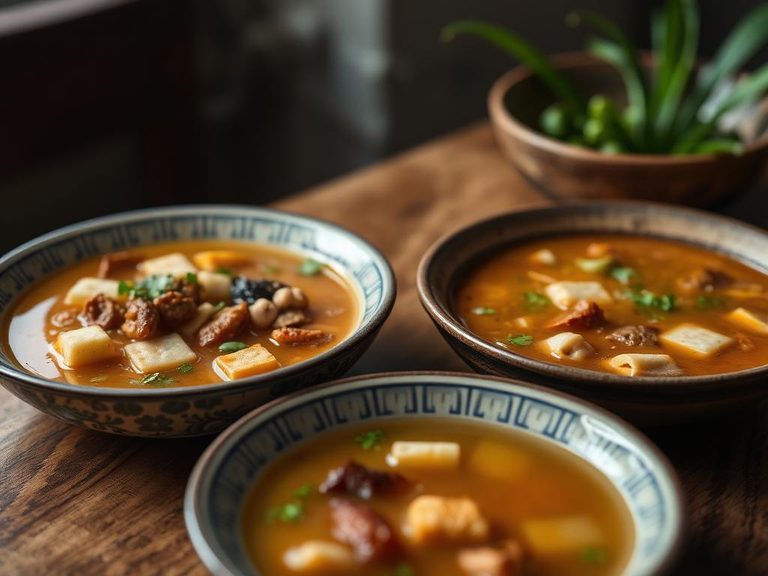
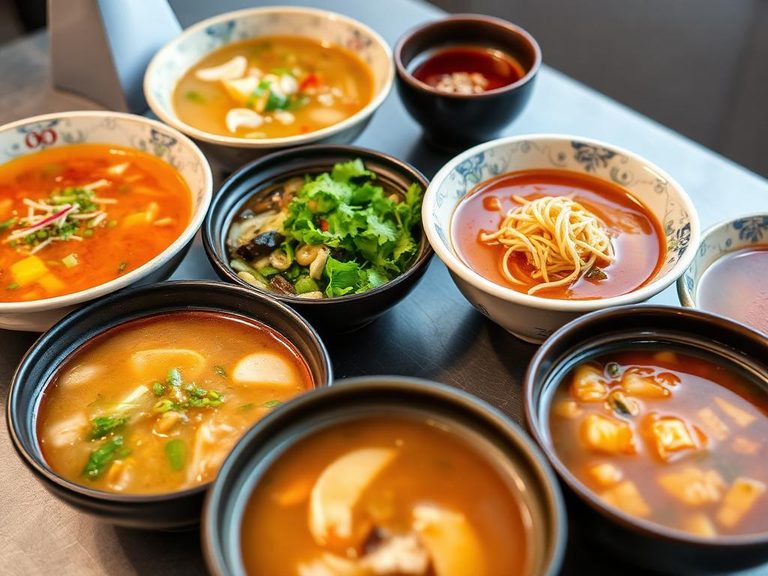
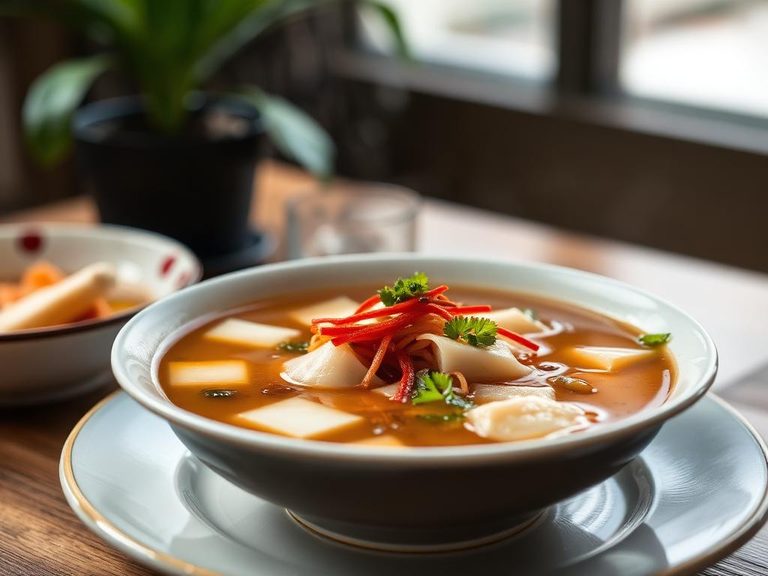
This is not a standalone dish, but a common culinary practice of adding various ingredients to broth-based soups to enhance flavor, texture, and nutrition. Common additions include noodles, dumplings, tofu, vegetables, or pre-cooked meats. The practice is foundational in cuisines worldwide, from Asian ramen and pho to European minestrone.
🍽️ Nutrition at a glance
The nutritional profile is highly variable, but broth-based soups are generally not high in fat. The primary nutrients come from the added ingredients, offering a balance of carbohydrates (from noodles or grains), protein (from tofu, legumes, or meat), and a range of vitamins and minerals from vegetables. A typical serving can range from 100 to 300 calories, depending on the density of the additions.
Nutrition breakdown
| Calories | 180 kcal |
| Protein | 8 g |
| Carbs | 28 g |
| Fat | 4 g |
| Fiber | 3 g |
| Sugar | 4 g |
| Sodium | 680 mg |
| Potassium | 320 mg |
| Vitamin A | 45% DV |
| Vitamin C | 15% DV |
| Iron | 10% DV |
| Calcium | 6% DV |
| Vitamin K | 20% DV |
| Folate | 12% DV |
| Manganese | 15% DV |
Per 1.5 cups (360 g) of a typical vegetable and noodle soup · estimated, varies by recipe
💡 What's interesting
Culturally, this practice represents the ultimate adaptable meal, transforming a simple broth into a hearty dish based on seasonal availability, dietary needs, or personal preference. Nutritionally, it's an efficient way to increase vegetable intake and create a more satiating, balanced meal from a light base.