

Alaska Native Spring Green Stew
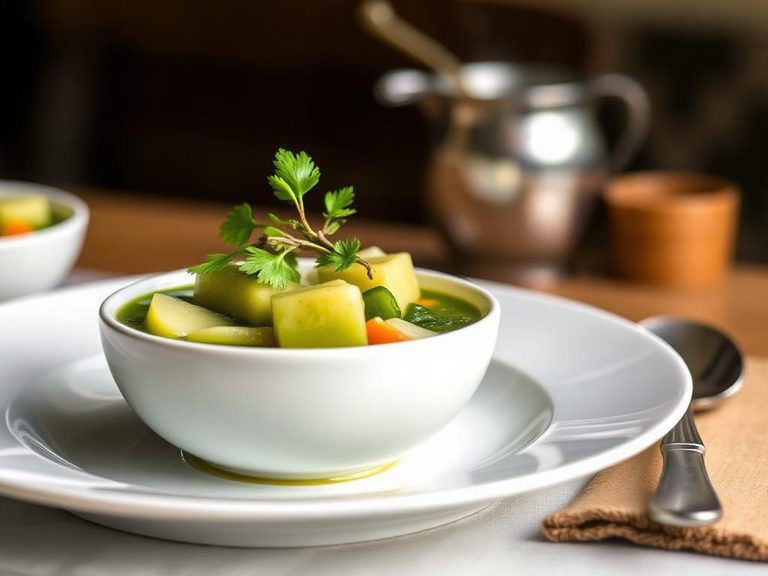
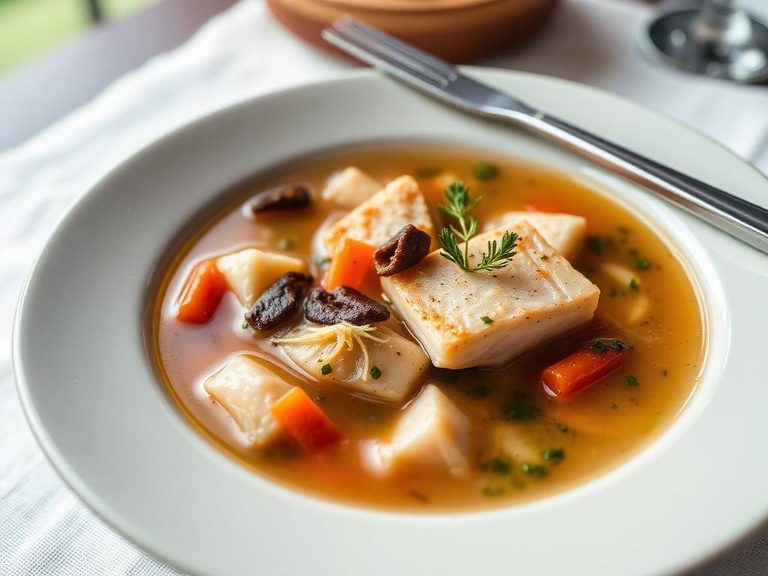
Alaska Native Spring Green Stew is a traditional, nourishing dish that celebrates the first wild greens of the season, often foraged from the Alaskan tundra and forests. It typically features a base of wild game or fish, such as salmon or caribou, simmered with a variety of spring plants like fireweed shoots, sorrel, and wild celery. This hearty stew is a staple in many Indigenous Alaskan communities, representing a connection to the land and seasonal cycles.
🍽️ Nutrition at a glance
This stew is generally high in protein and rich in essential vitamins and minerals, with a moderate calorie count depending on the specific game or fish used. It provides a significant boost of iron, vitamin C, and potassium from the wild greens, while the protein source offers omega-3 fatty acids if fish is included.
Nutrition breakdown
| Calories | 220 kcal |
| Protein | 18 g |
| Carbs | 12 g |
| Fat | 10 g |
| Fiber | 4 g |
| Sugar | 3 g |
| Sodium | 350 mg |
| Vitamin C | 45 mg |
| Iron | 3.5 mg |
| Potassium | 620 mg |
| Vitamin A | 850 IU |
| Calcium | 90 mg |
| Magnesium | 55 mg |
| Omega-3 Fatty Acids | 0.8 g |
| Vitamin K | 70 mcg |
Per 1 cup (240 g) · estimated, varies by recipe
💡 What's interesting
What makes this dish culturally unique is its deep roots in subsistence living, where foraging for spring greens is not just a culinary practice but a vital part of seasonal survival and cultural heritage. Nutritionally, the wild greens used are often more nutrient-dense than cultivated vegetables, offering a concentrated source of antioxidants and phytonutrients.
🍽️ Related dishes


AI estimate may be inaccurate · Terms