

Owl, horned, flesh, raw (Alaska Native)
Whole food · American Indian/Alaska Native Foods

Photo: Wikipedia
Horned owl flesh, as traditionally consumed by Alaska Native peoples, is a lean, dense, and dark red game meat with a robust, slightly iron-rich flavor and a firm, chewy texture. Nutritionally, it is a powerhouse of high-quality protein and essential fats, providing sustained energy without any carbohydrates. Its preparation is deeply tied to subsistence practices, emphasizing resourcefulness and respect for the animal.
Calorie split: 67% protein · 0% carbs · 33% fat
↓ Full nutrition💚 Why it's loved
People who value it cherish its connection to ancestral subsistence traditions and the profound, earthy flavor that speaks of the Alaskan wilderness. It is loved for its role in cultural ceremonies and as a symbol of resilience and deep ecological knowledge.
⚠️ Watch-outs & how to enjoy it better
The strong, gamey taste and tough texture can be unpalatable to those unfamiliar with wild game. For some, the high purine content may be a concern for conditions like gout, and it should be consumed in moderation. To counteract toughness, slow-cooking methods like stewing or braising are essential.
Key benefits
- Exceptionally high in complete protein for muscle maintenance and repair.
- Provides essential fatty acids crucial for brain and cellular health.
- Zero carbohydrates, making it suitable for ketogenic and carnivore diets.
- A dense source of bioavailable iron and B vitamins like B12.
🍽️ Popular dishes
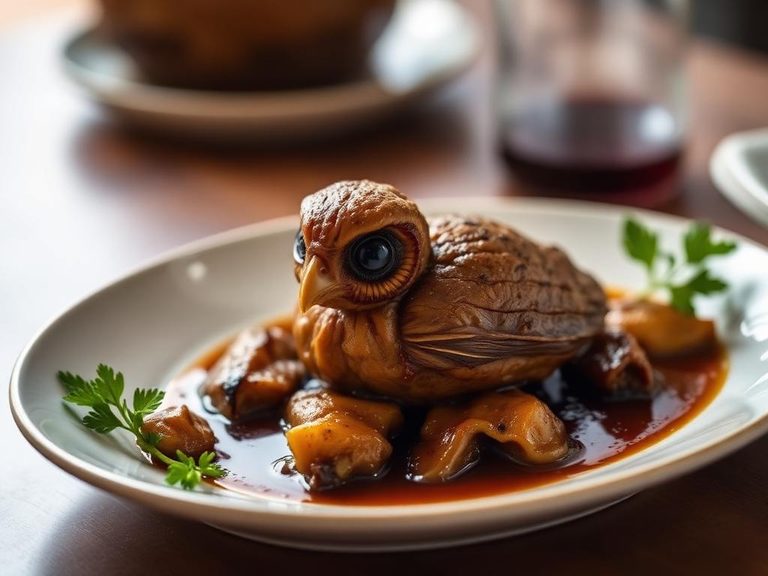
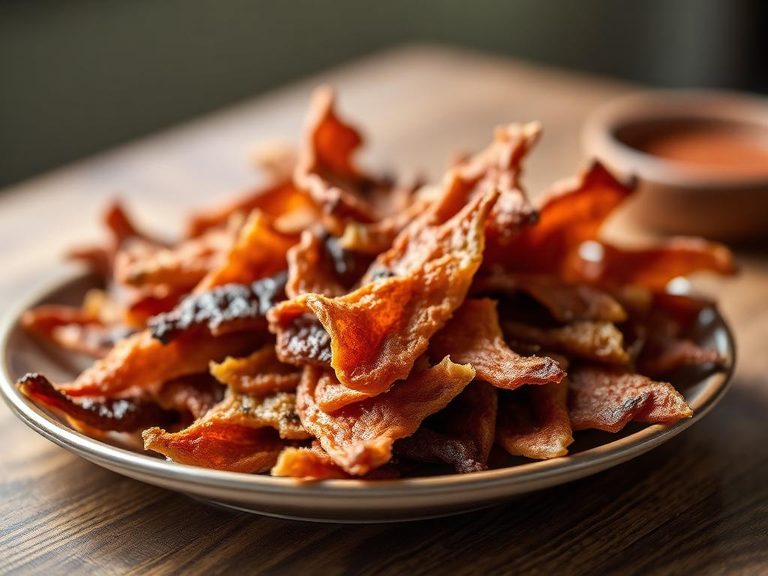
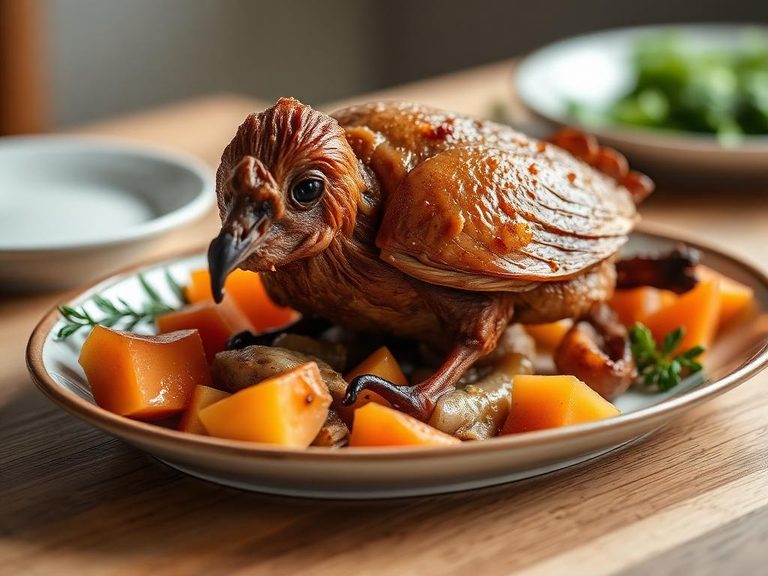
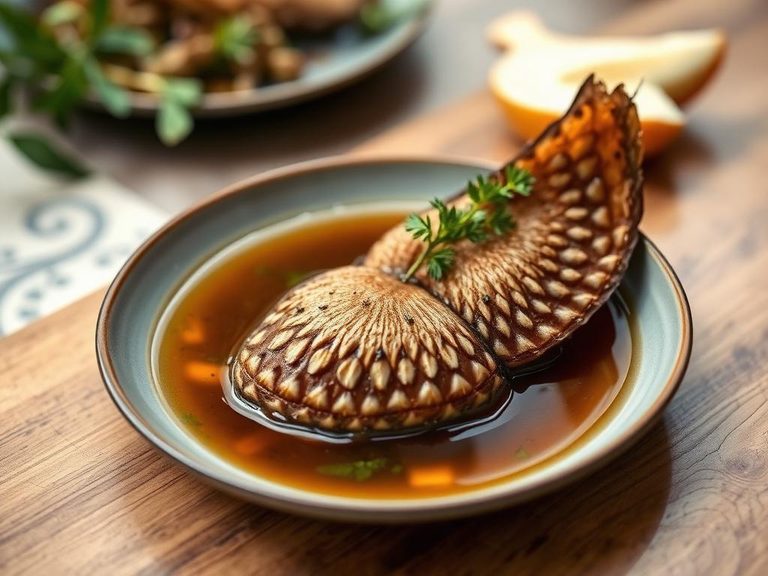
🌍 Where it's eaten
💡 Did you know?
In some Alaska Native traditions, the consumption of specific animals like the horned owl was governed by strict cultural protocols and was not a casual food source, but one tied to specific needs, seasons, and spiritual beliefs.
Full nutrition (USDA data · scales with serving)
| Water | 71.3 g |
| Energy | 136 kcal |
| Energy | 568 kj |
| Protein | 22.7 g |
| Total lipid (fat) | 5.0 g |
| Ash | 1.0 g |
| Carbohydrate, by difference | 0.00 g |
| Calcium, Ca | 16.0 mg |
| Iron, Fe | 4.8 mg |
| Phosphorus, P | 218 mg |
| Vitamin A, IU | 350 iu |
FAQ
Is eating owl meat legal?
Legality varies drastically. For Alaska Native peoples, subsistence hunting rights are protected by federal and state law. For the general public, hunting or possessing most owl species is illegal under the Migratory Bird Treaty Act and state wildlife regulations.
How does the taste compare to other game meats?
It is often compared to dark, rich game like venison or wild duck but with a more pronounced, slightly metallic or liver-like undertone due to its high myoglobin content and diet.
Why is the protein content so high?
Owls are carnivorous predators with very little body fat and dense muscle tissue optimized for flight and hunting, resulting in a meat that is almost entirely protein and connective tissue.
Weight-loss friendliness (composite index)
Energy density 1.36 kcal/g · 67% calories from protein · 0.0 g fiber · 0.0 g sugar per 100 g.
Composite of energy density (Rolls et al., 1999), protein & fiber satiety, minus sugar. A calculated heuristic — ranks satiety-per-calorie, not a clinical measure.