

Prickly pears, broiled (Northern Plains Indians)
Whole food · American Indian/Alaska Native Foods

Photo: Wikipedia
Broiled prickly pear pads, known as nopales, are a staple of Northern Plains Indigenous cuisine, transformed by fire into a tender, slightly smoky delicacy. The cooking process softens their naturally succulent, green-bean-like texture and mellows their tart, citrusy flavor into something savory and earthy. Nutritionally, they are a low-calorie, high-carb source of energy, providing essential fuel without significant fat or protein.
Calorie split: 2% protein · 95% carbs · 3% fat
↓ Full nutrition💚 Why it's loved
People cherish broiled nopales for their unique, satisfying texture—tender yet with a slight bite—and their ability to absorb smoky, savory flavors from the fire. They are deeply tied to cultural heritage and communal feasting, representing a connection to the land and ancestral foodways.
⚠️ Watch-outs & how to enjoy it better
The high carbohydrate content can cause blood-sugar spikes if eaten in large quantities alone, especially for those monitoring glucose levels. To counteract this, pair them with a source of protein or healthy fat (like beans or seeds) and practice portion control. Ensure proper cleaning and removal of spines to avoid irritation.
Key benefits
- Excellent low-calorie, high-energy food source
- Provides quick-release carbohydrates for sustained activity
- Naturally low in fat and cholesterol
- Contains essential minerals like magnesium and potassium
- A traditional, sustainable foraged food
🍽️ Popular dishes
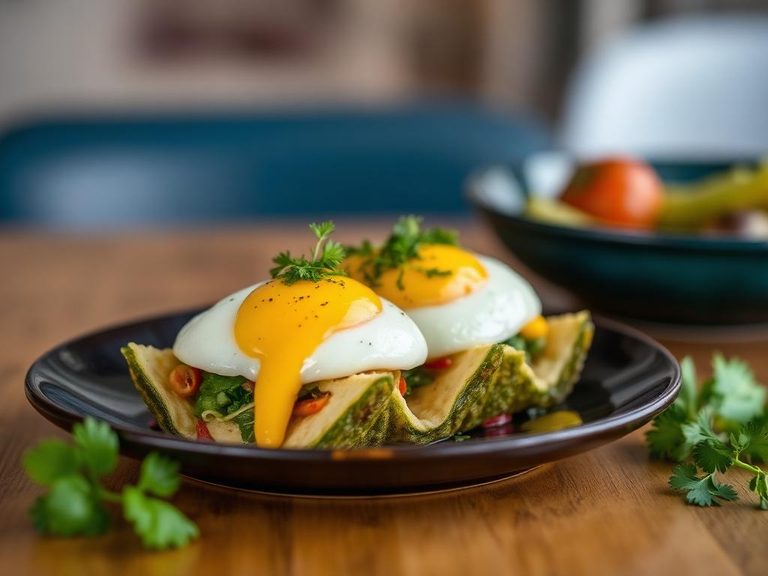
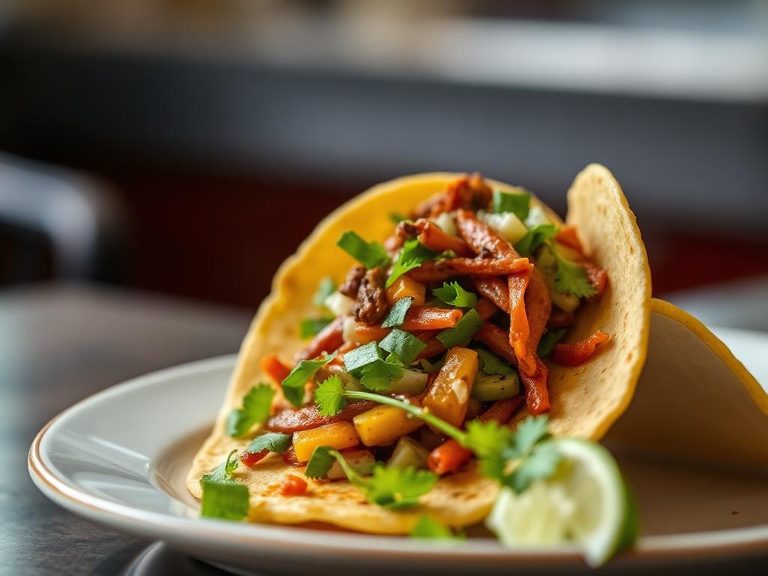
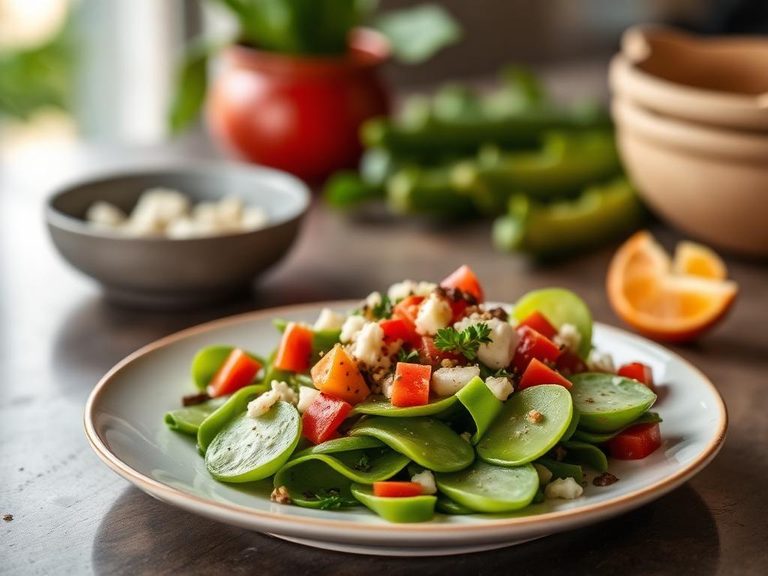
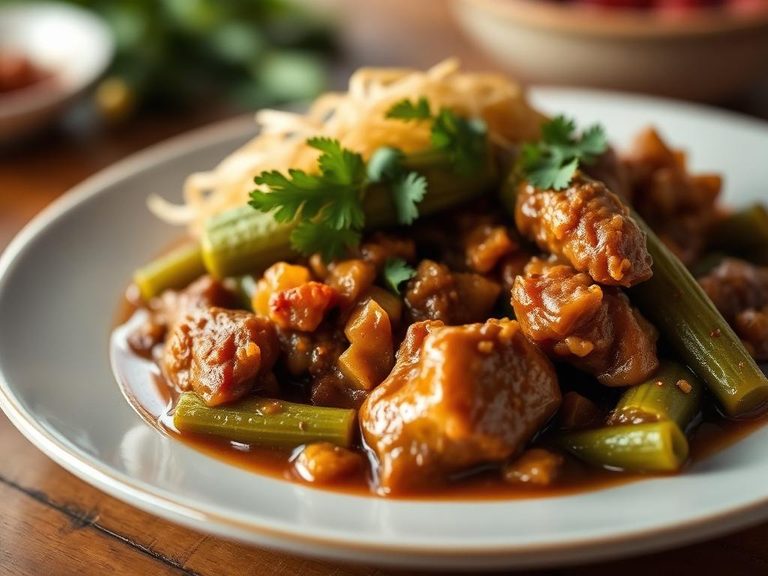
🌍 Where it's eaten
💡 Did you know?
The prickly pear cactus pad (nopal) is not just food but also a historic natural water source; travelers and indigenous peoples would carefully roast or peel it to access the hydrating pulp inside during dry journeys.
Full nutrition (USDA data · scales with serving)
| Water | 75.8 g |
| Energy | 91.0 kcal |
| Energy | 379 kj |
| Protein | 0.39 g |
| Total lipid (fat) | 0.31 g |
| Ash | 1.9 g |
| Carbohydrate, by difference | 21.6 g |
| Vitamin C, total ascorbic acid | 6.2 mg |
| Thiamin | 0.02 mg |
| Riboflavin | 0.04 mg |
| Niacin | 1.0 mg |
| Vitamin B-6 | 0.15 mg |
FAQ
How do you prepare prickly pear pads for broiling?
First, carefully remove all spines and tough outer skin using a knife or vegetable peeler. Rinse thoroughly. You can then slice them into strips or halves, toss with a little oil and salt, and place directly on a hot grill or under a broiler until tender and slightly charred.
What do broiled nopales taste like?
They have a unique flavor often compared to green beans or asparagus, but with a distinct tangy, slightly citrusy note. Broiling adds a pleasant smokiness and caramelizes their natural sugars, making them savory and tender.
Are prickly pear pads (nopales) safe to eat?
Yes, when properly prepared. The key is to remove the spines and waxy outer skin, as the spines can cause irritation. The mucilaginous sap inside is edible and becomes less pronounced when cooked. They are a safe and nutritious food for most people.
Weight-loss friendliness (composite index)
Energy density 0.91 kcal/g · 2% calories from protein · 0.0 g fiber · 0.0 g sugar per 100 g.
Composite of energy density (Rolls et al., 1999), protein & fiber satiety, minus sugar. A calculated heuristic — ranks satiety-per-calorie, not a clinical measure.