

Cockles, raw (Alaska Native)
Whole food · American Indian/Alaska Native Foods

Photo: Wikipedia
Raw cockles are small, heart-shaped bivalve mollusks prized for their briny, ocean-fresh flavor and firm, slightly chewy texture. They are a lean protein powerhouse, delivering over 13 grams of protein per 100 grams with minimal fat. Their distinctive sweet-salty taste is a hallmark of coastal foraging traditions.
Calorie split: 68% protein · 24% carbs · 8% fat
↓ Full nutrition💚 Why it's loved
People love cockles for their intense, clean taste of the sea and satisfying texture that holds up well in salads and stews. They are a versatile ingredient, easily prepared raw, steamed, or fried, and are deeply embedded in the culinary heritage of many coastal communities.
⚠️ Watch-outs & how to enjoy it better
As with all raw shellfish, there is a risk of bacterial or viral contamination, so they must be sourced from clean, reputable waters and handled with strict hygiene. Their high mineral content, particularly iron, can impart a metallic taste if not balanced with acidic ingredients like vinegar or lemon juice.
Key benefits
- Excellent source of lean, complete protein.
- Very low in fat and calories.
- Naturally rich in minerals like iron and zinc.
- Provides a good source of vitamin B12.
- A traditional, sustainable food source in coastal regions.
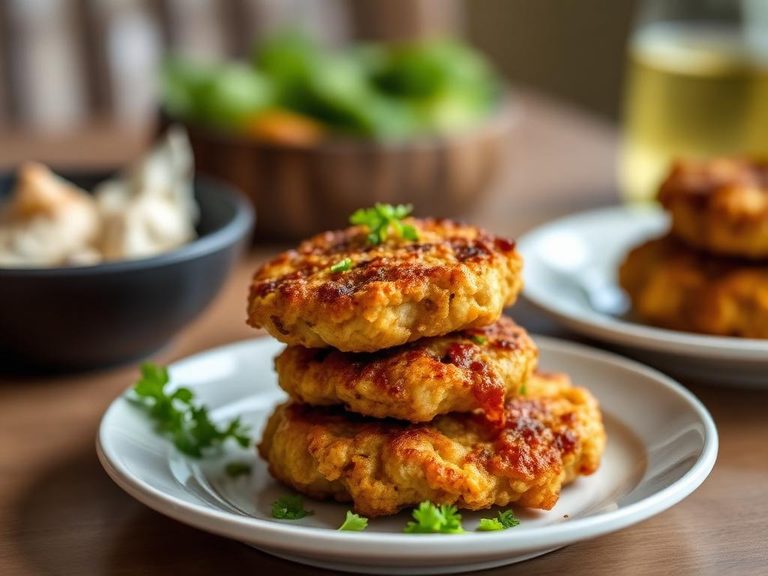
🍽️ Popular dishes
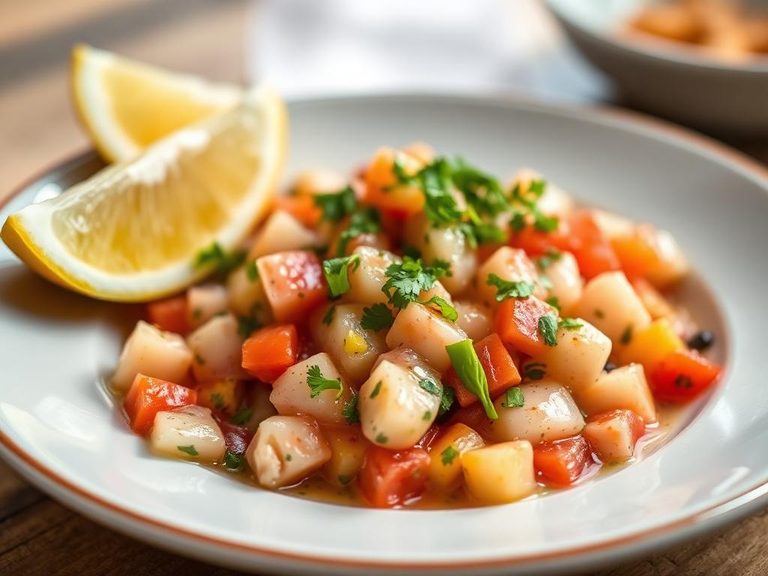
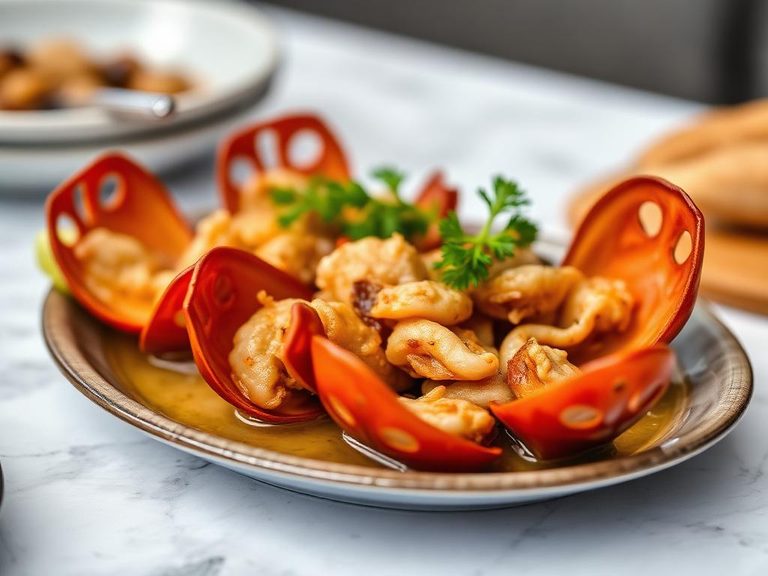
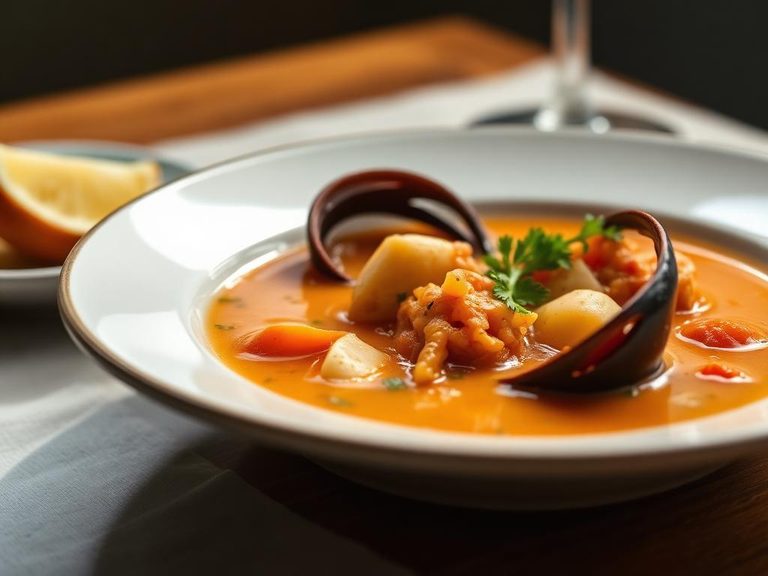
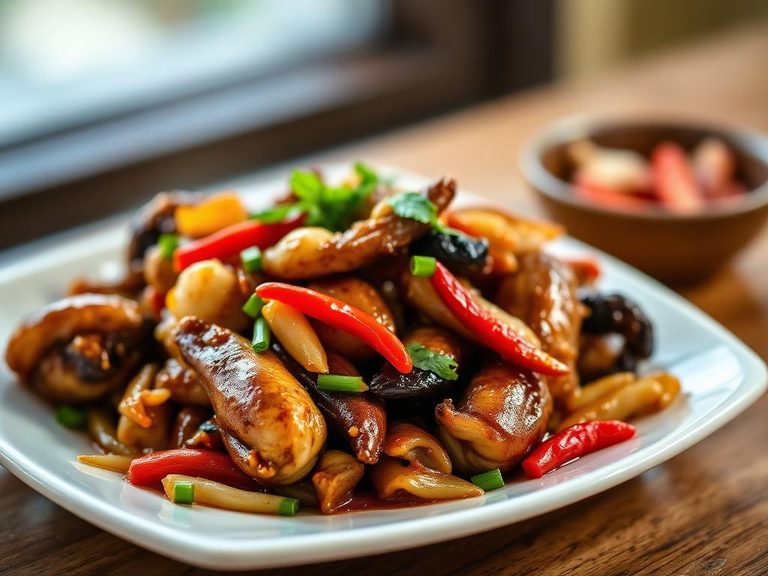
🌍 Where it's eaten
💡 Did you know?
Cockles are filter feeders that can dramatically improve water clarity; a single cockle can filter up to 5 liters of water per day.
Full nutrition (USDA data · scales with serving)
| Water | 78.8 g |
| Energy | 79.0 kcal |
| Energy | 331 kj |
| Protein | 13.5 g |
| Total lipid (fat) | 0.70 g |
| Ash | 2.3 g |
| Carbohydrate, by difference | 4.7 g |
| Calcium, Ca | 30.0 mg |
| Iron, Fe | 16.2 mg |
| Thiamin | 0.01 mg |
| Riboflavin | 0.20 mg |
| Niacin | 3.2 mg |
FAQ
How do I know if raw cockles are safe to eat?
Only purchase live cockles from reputable sources. Before cooking, discard any with cracked shells or that don't close when tapped. After cooking, discard any that remain open.
What's the best way to clean cockles?
Soak them in cold salted water for 20-30 minutes to encourage them to spit out sand, then rinse thoroughly under cold running water.
Can I eat cockles raw?
While possible in dishes like ceviche, it carries a higher risk of foodborne illness. Most culinary traditions recommend briefly steaming or boiling them until the shells open.
Weight-loss friendliness (composite index)
Energy density 0.79 kcal/g · 68% calories from protein · 0.0 g fiber · 0.0 g sugar per 100 g.
Composite of energy density (Rolls et al., 1999), protein & fiber satiety, minus sugar. A calculated heuristic — ranks satiety-per-calorie, not a clinical measure.