

Sushi/Tsukudani
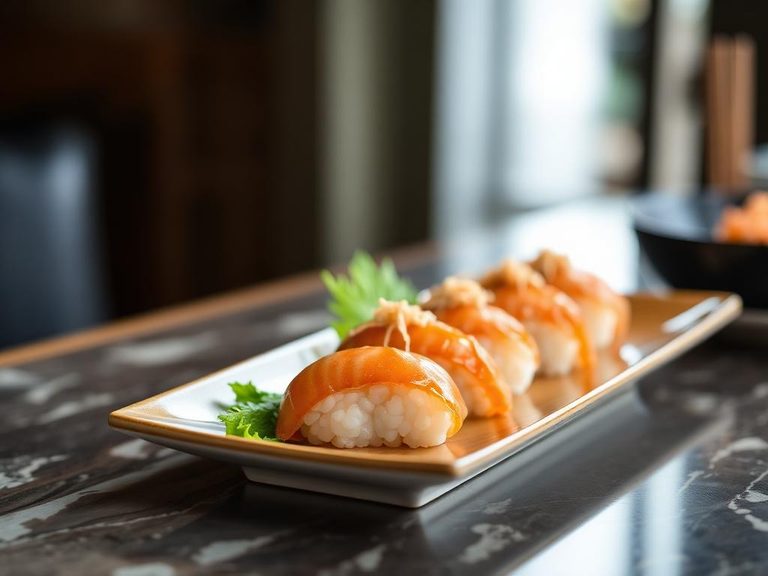
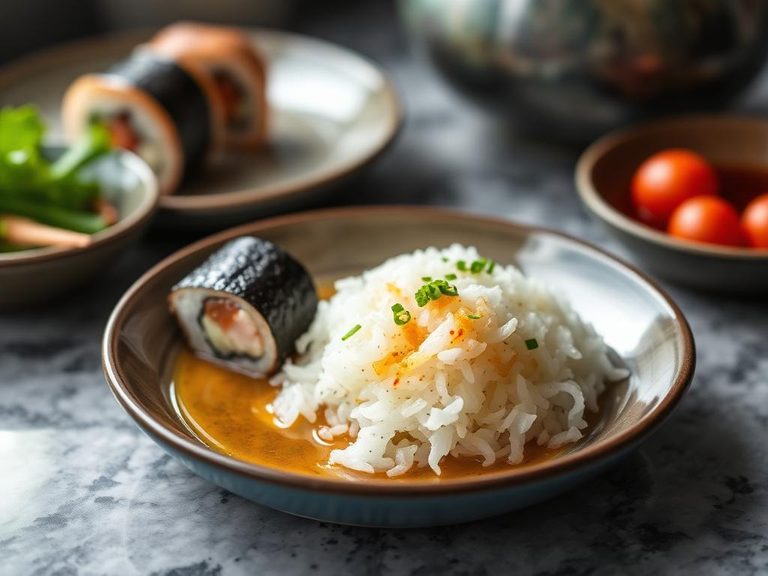
Tsukudani is a traditional Japanese condiment or side dish made by simmering ingredients like small fish, seaweed, or mushrooms in a sweet and savory sauce of soy sauce, mirin, and sugar. It originates from the Edo period (1603-1868) and is commonly served as a topping for plain rice or as part of a bento box.
🍽️ Nutrition at a glance
Tsukudani is generally low in fat and provides a good source of protein and minerals like calcium and iron, especially when made with small fish or seaweed. A typical serving (about 1 tablespoon) contains roughly 20-30 calories, primarily from carbohydrates in the sweetened sauce.
Nutrition breakdown
| Calories | 150 kcal |
| Protein | 6 g |
| Carbs | 24 g |
| Fat | 3 g |
| Fiber | 1 g |
| Sugar | 3 g |
| Sodium | 400 mg |
| Potassium | 120 mg |
| Magnesium | 25 mg |
| Phosphorus | 80 mg |
| Calcium | 30 mg |
| Iron | 1.5 mg |
| Zinc | 1 mg |
| Vitamin B12 | 1.2 µg |
| Niacin (B3) | 2 mg |
Per 1 roll (approx. 100 g) · estimated, varies by recipe
💡 What's interesting
Culturally, tsukudani was originally a method of preserving food before refrigeration, and its intense flavor makes it a classic 'rice thief' (gohan no taiyaki) in Japan, meaning it encourages eating more rice. Nutritionally, using whole small fish with bones provides a concentrated source of calcium.
🍽️ Related dishes
AI estimate may be inaccurate · Terms