Mackerel Sushi or Maki (Japan)
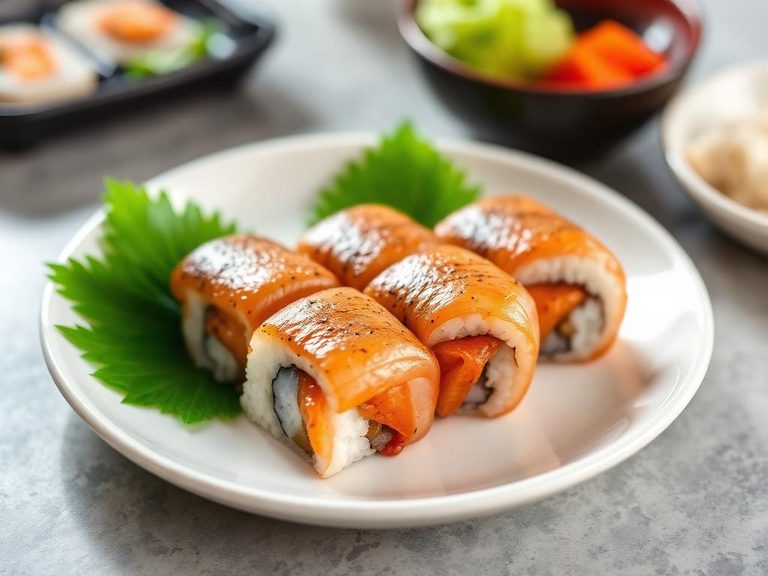
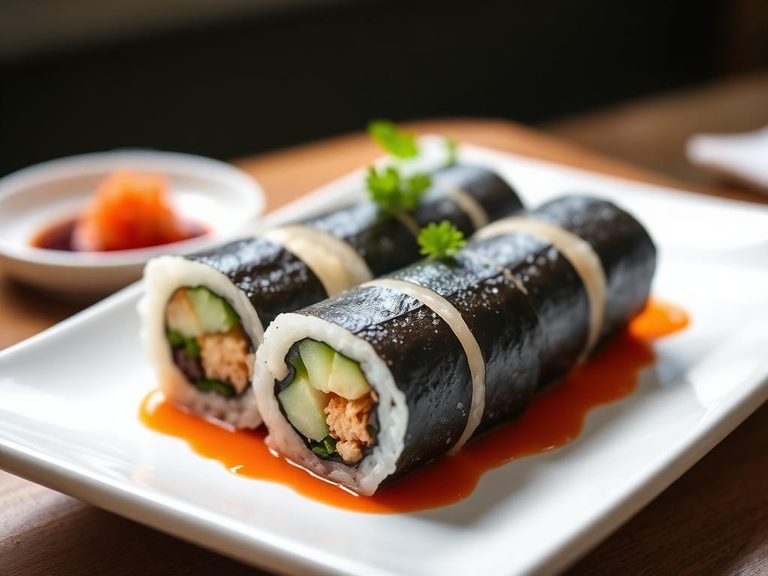
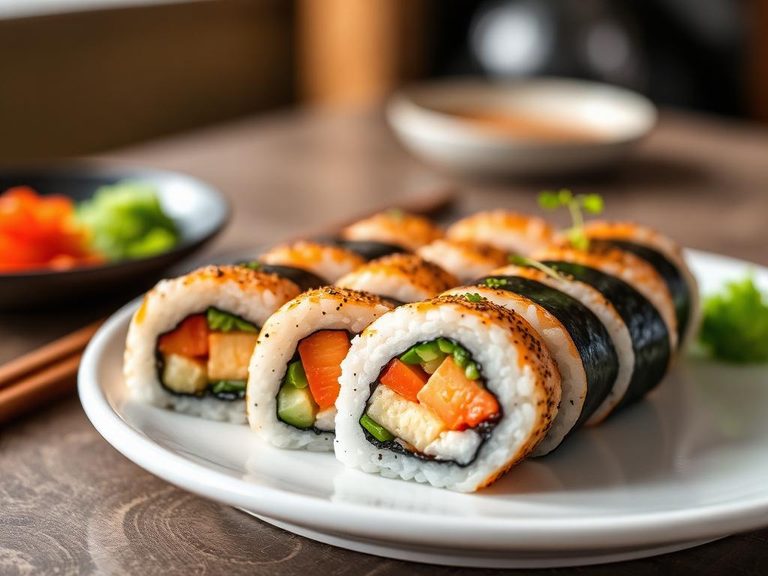
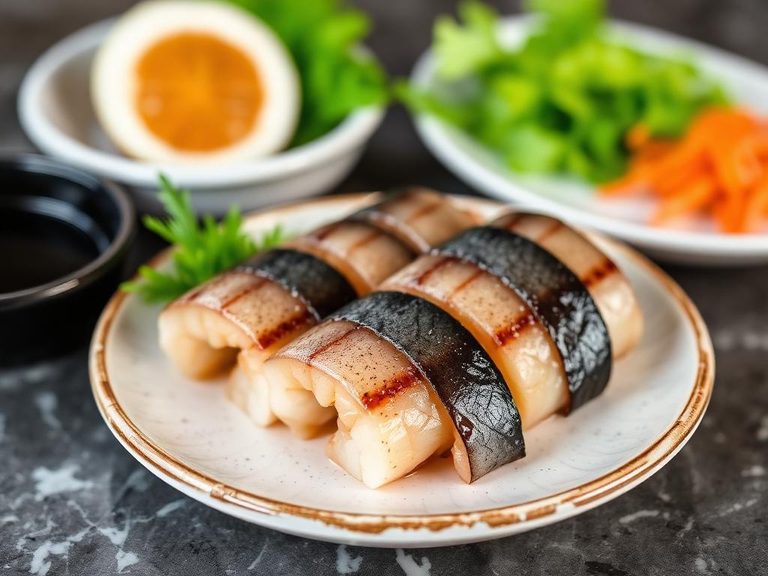
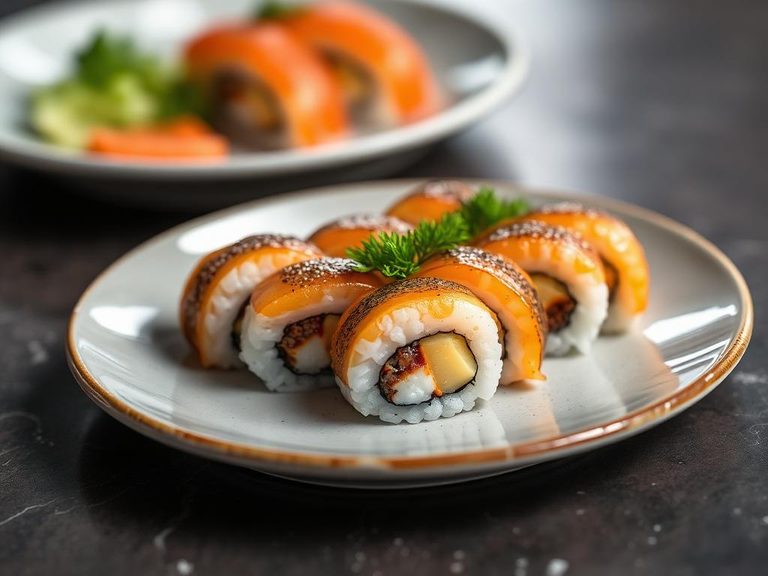
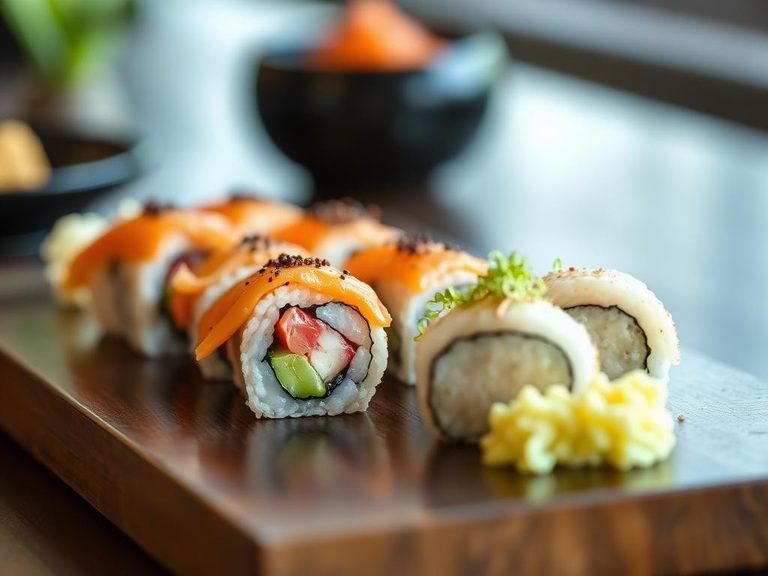
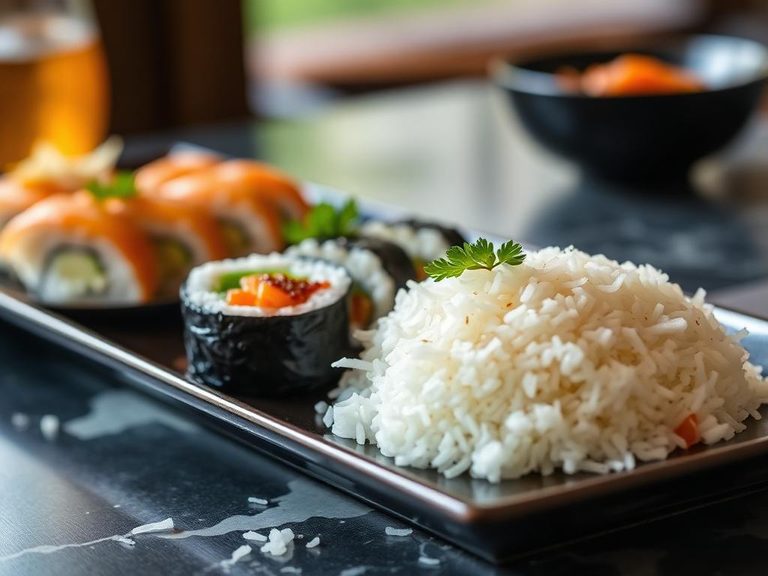
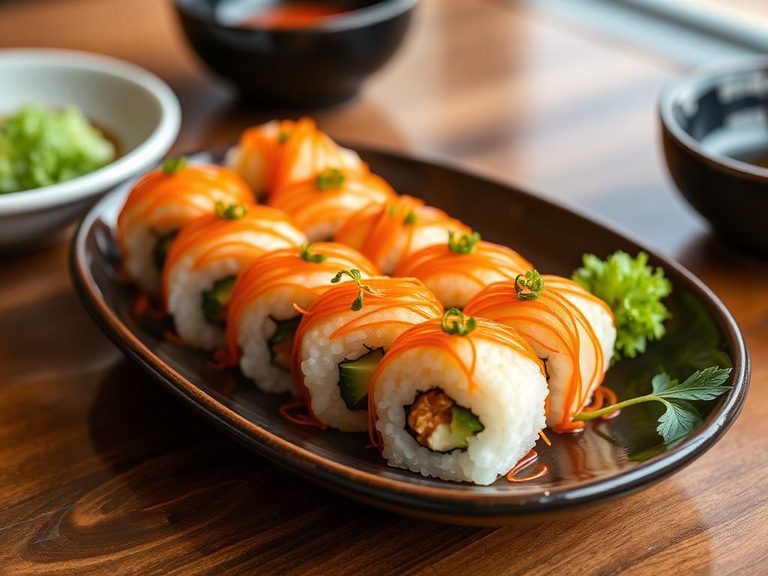
Mackerel sushi or maki is a classic Japanese dish featuring fresh, oily mackerel (saba) served either as a nigiri topping or rolled in seaweed and rice. The fish is often cured in salt and vinegar to balance its rich flavor and preserve it, and it's commonly paired with pickled ginger and wasabi. This dish is a staple in sushi restaurants across Japan and worldwide.
🍽️ Nutrition at a glance
Mackerel sushi is high in protein and healthy fats, particularly omega-3 fatty acids, making it nutrient-dense. A typical serving (2-3 pieces) provides around 200-300 calories, with minimal carbs from the rice and seaweed.
Nutrition breakdown
| Calories | 250 kcal |
| Protein | 18 g |
| Carbs | 28 g |
| Fat | 7 g |
| Fiber | 1 g |
| Sugar | 4 g |
| Sodium | 600 mg |
| Potassium | 350 mg |
| Phosphorus | 250 mg |
| Selenium | 40 mcg |
| Vitamin B12 | 4.5 mcg |
| Niacin (B3) | 8 mg |
| Vitamin D | 5 mcg |
| Omega-3 (EPA+DHA) | 1.2 g |
| Magnesium | 45 mg |
Per 6 pieces (180 g) · estimated, varies by recipe
💡 What's interesting
Culturally, mackerel sushi (known as 'saba sushi') has been a popular Edo-period (Tokyo) street food and is often associated with home-style Japanese cooking. Nutritionally, mackerel is one of the best sources of vitamin D and omega-3s, which support heart and brain health.