Eel Sushi
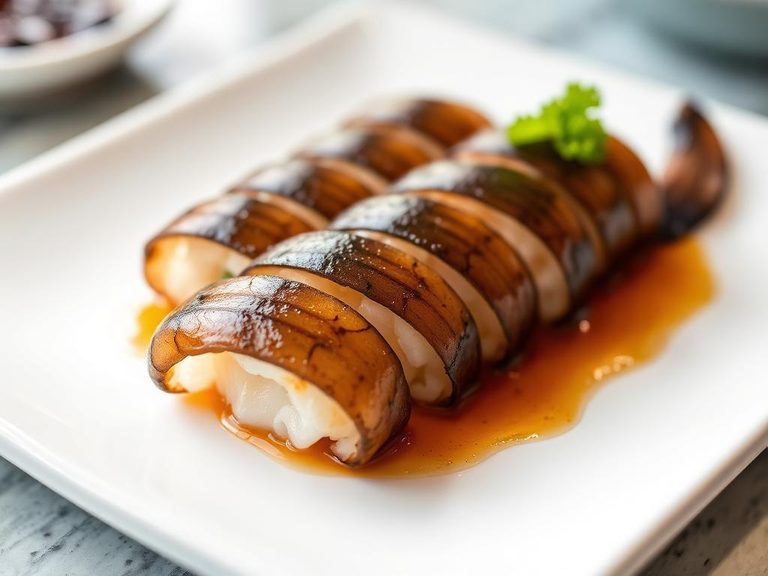
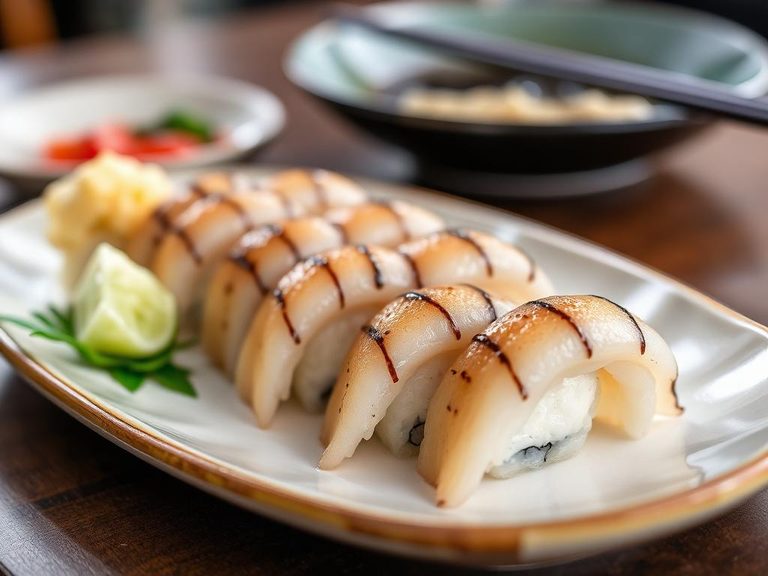
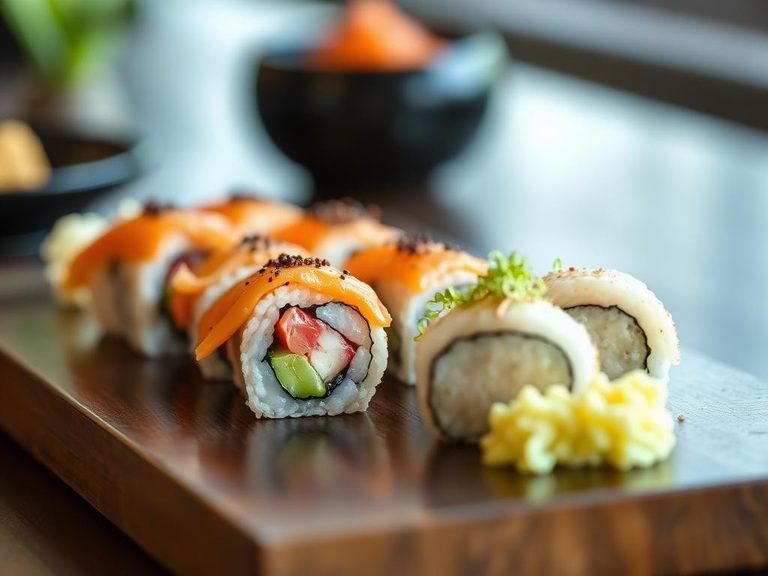
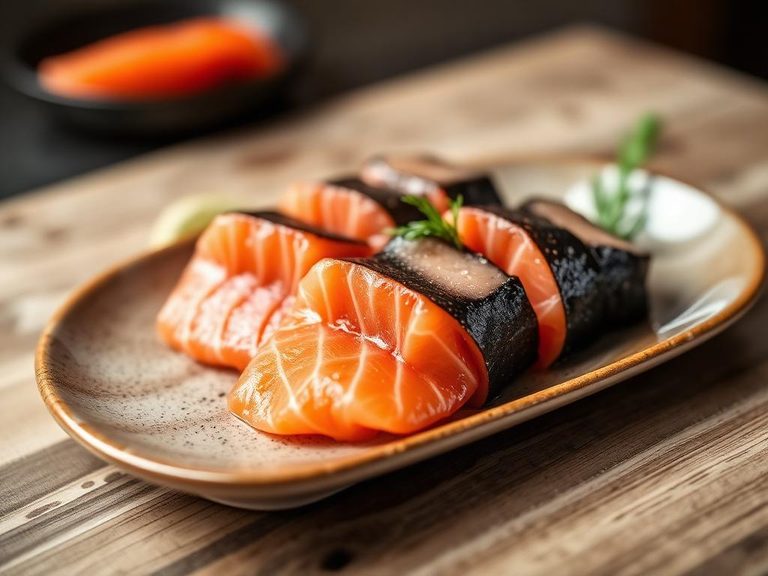
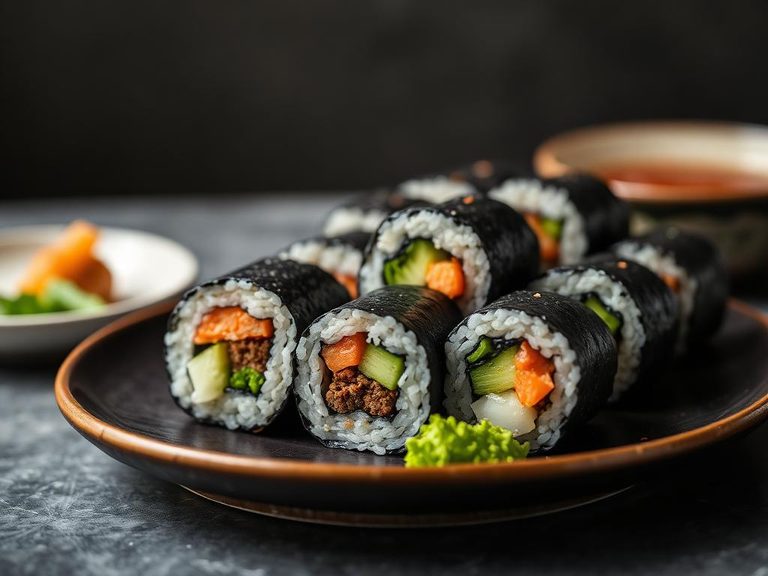
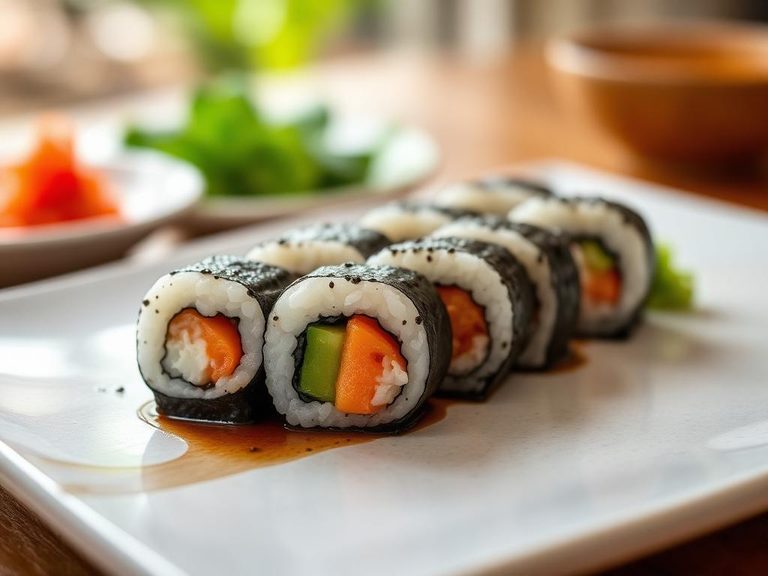
Eel sushi, known as 'unagi' in Japanese, is a popular sushi dish featuring freshwater eel that is typically grilled and glazed with a sweet soy-based sauce called 'tare'. It can be served as nigiri (over rice) or in maki rolls, often combined with ingredients like cucumber or avocado. This dish is a staple in Japanese cuisine, particularly enjoyed during the summer months.
🍽️ Nutrition at a glance
Eel sushi is a good source of protein and healthy fats, particularly omega-3 fatty acids, while being moderate in carbohydrates from the sushi rice. A typical serving of two pieces of unagi nigiri contains around 200-250 calories, providing essential nutrients like vitamin A, vitamin B12, and phosphorus.
Nutrition breakdown
| Calories | 120 kcal |
| Protein | 6 g |
| Carbs | 14 g |
| Fat | 4 g |
| Fiber | 0.5 g |
| Sugar | 2 g |
| Sodium | 350 mg |
| Vitamin B12 | 3.5 µg |
| Vitamin D | 1.5 µg |
| Omega-3 (EPA+DHA) | 250 mg |
| Phosphorus | 100 mg |
| Selenium | 12 µg |
| Niacin (B3) | 1.8 mg |
| Vitamin A | 30 µg RAE |
| Iron | 0.6 mg |
Per 2 pieces (70 g) · estimated, varies by recipe
💡 What's interesting
Culturally, unagi is traditionally eaten in Japan during the 'Doyo no Ushi no Hi' (Midsummer Day of the Ox) to combat summer fatigue, as it's believed to provide stamina. Nutritionally, eel is one of the few fish sources rich in vitamin D, which is uncommon in animal-based foods.