Eel Pie
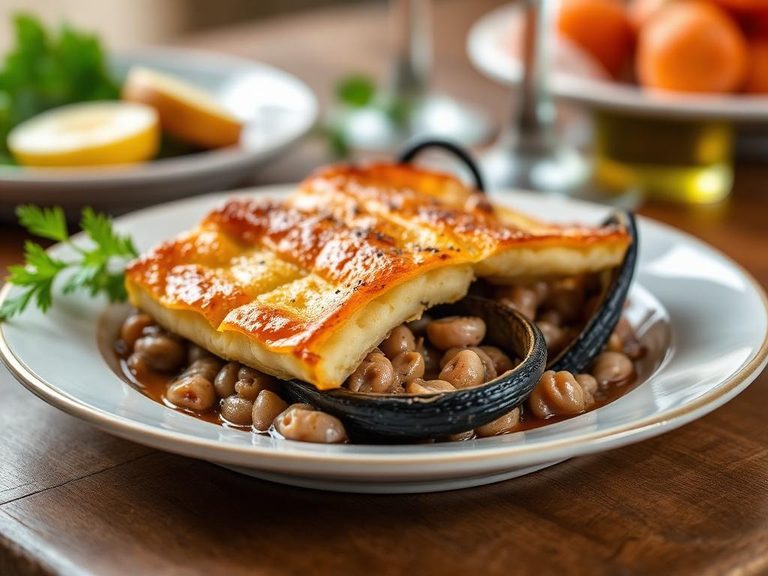
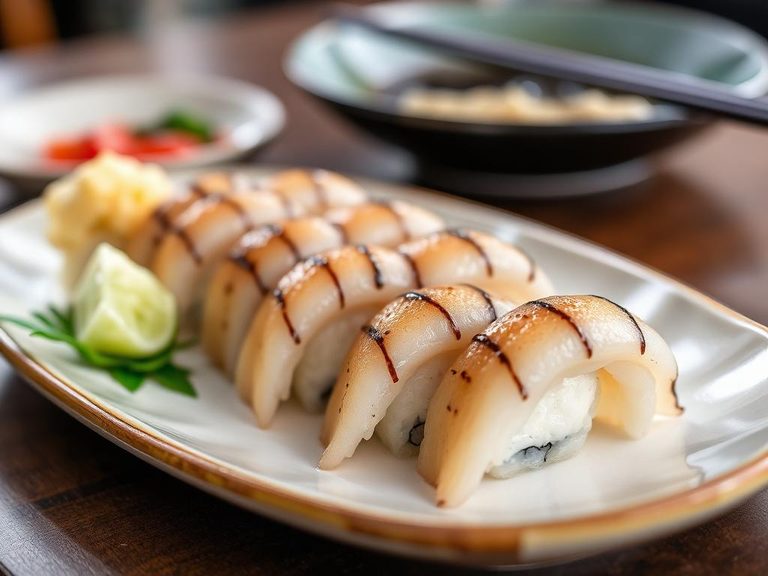
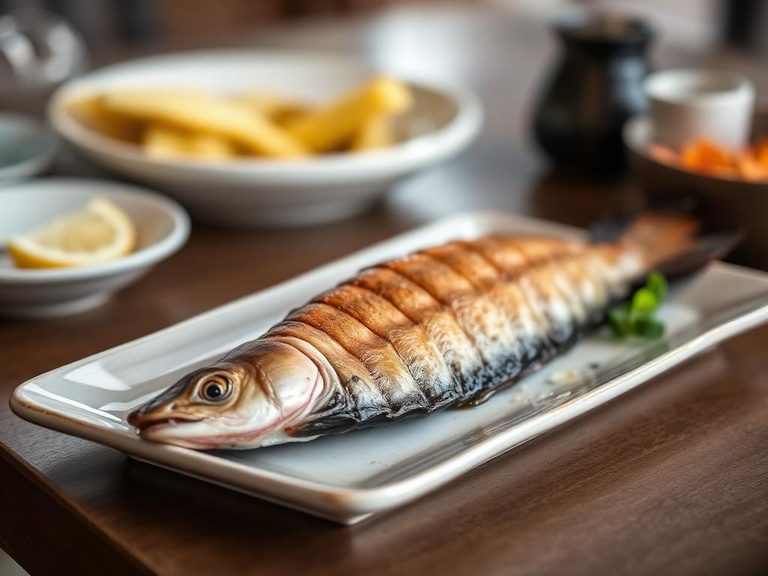
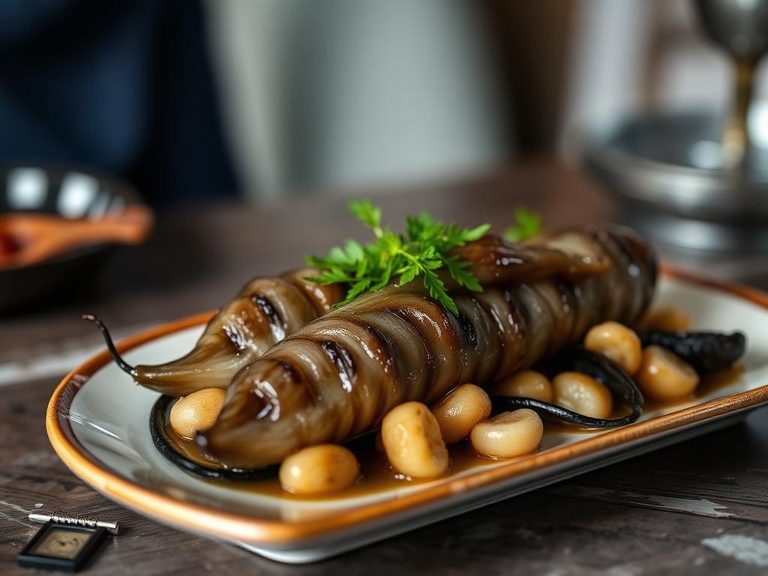
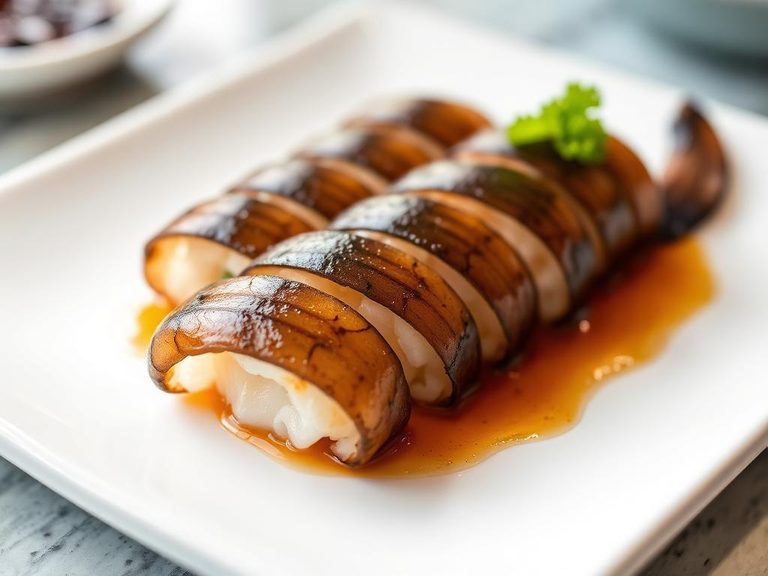
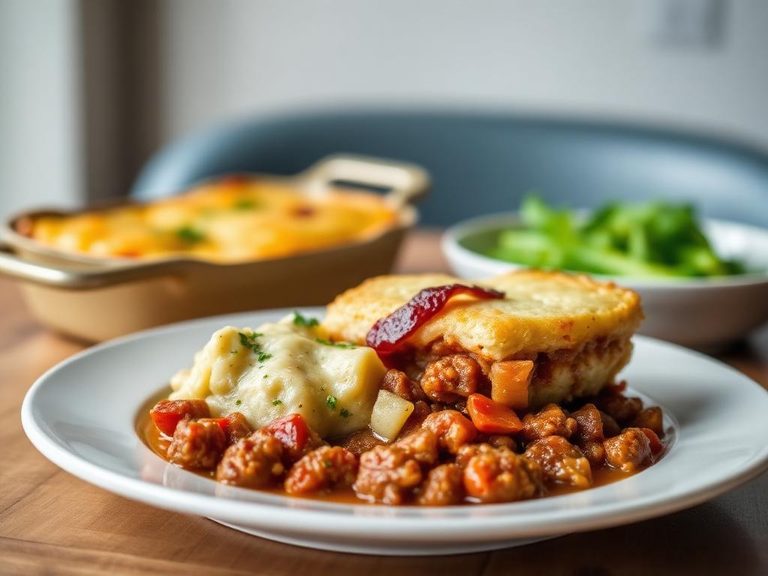
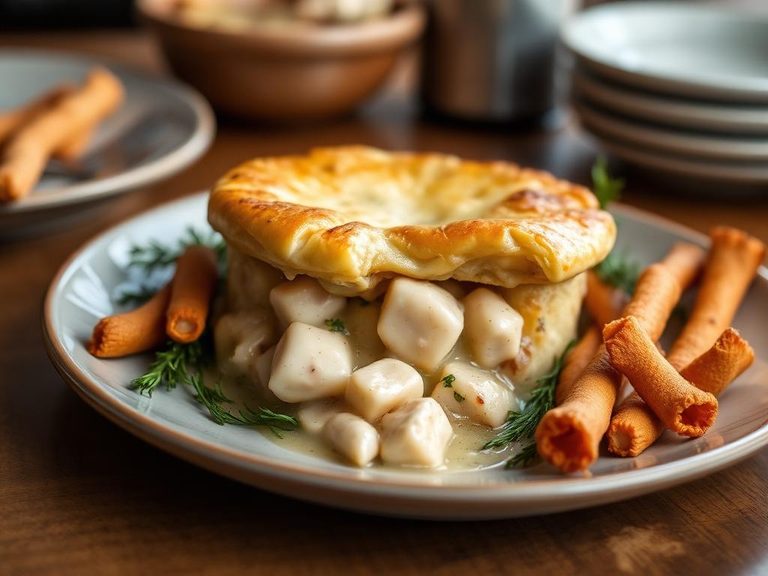
Eel pie is a savory dish found in various European culinary traditions, particularly in regions like the Netherlands, Belgium, and parts of the UK. It typically features freshwater or saltwater eel as the main protein, often cooked in a rich, sometimes creamy or spiced sauce, and encased in a pastry crust. The dish reflects a historical reliance on local river or coastal resources and is often associated with traditional or festive meals.
🍽️ Nutrition at a glance
Eel pie is generally high in protein and healthy fats, especially omega-3 fatty acids from the eel, while the pastry contributes carbohydrates. A typical serving (around 250-300g) may provide approximately 400-600 calories, along with nutrients like vitamin B12, selenium, and phosphorus.
Nutrition breakdown
| Calories | 520 kcal |
| Protein | 28 g |
| Carbs | 42 g |
| Fat | 25 g |
| Fiber | 2 g |
| Sugar | 3 g |
| Sodium | 680 mg |
| Potassium | 420 mg |
| Phosphorus | 310 mg |
| Vitamin B12 | 12 µg |
| Vitamin D | 4.5 µg |
| Selenium | 40 µg |
| Niacin (B3) | 5.2 mg |
| Iron | 2.8 mg |
| Calcium | 95 mg |
Per 1 piece (250 g) · estimated, varies by recipe
💡 What's interesting
Culturally, eel pie represents a connection to pre-industrial European foodways, where eels were abundant and affordable, making them a staple in working-class diets. Nutritionally, eels are unique for their high omega-3 content, which supports heart and brain health, though modern consumption is less common due to sustainability concerns and changing tastes.