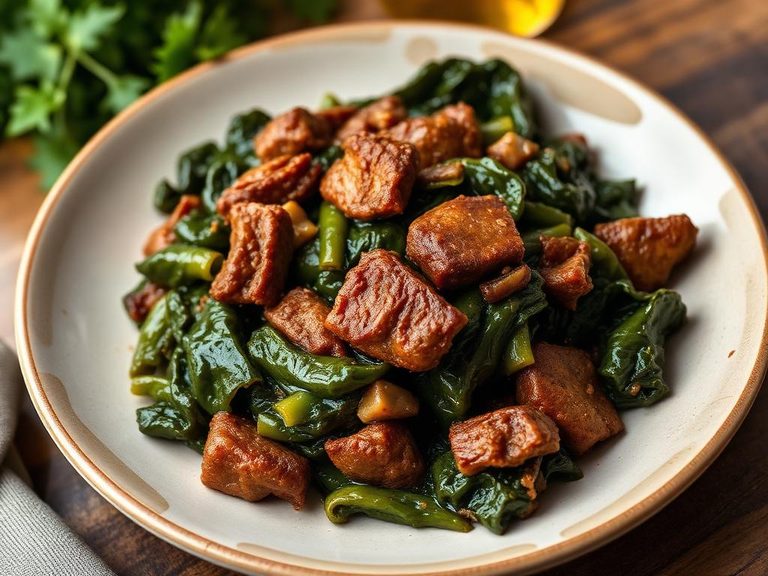
Smoked Eel
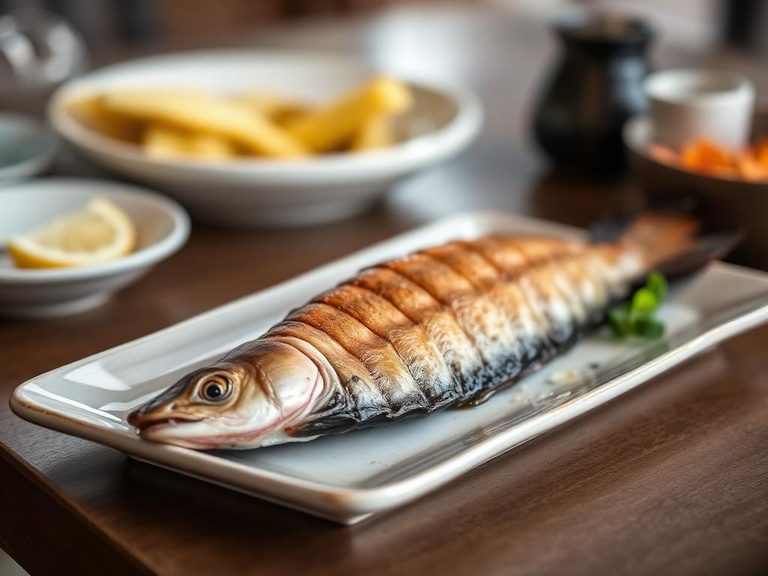
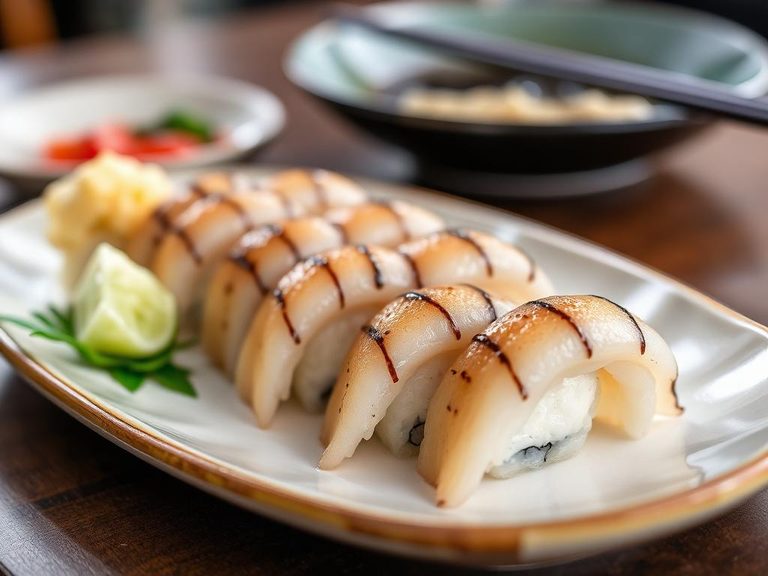
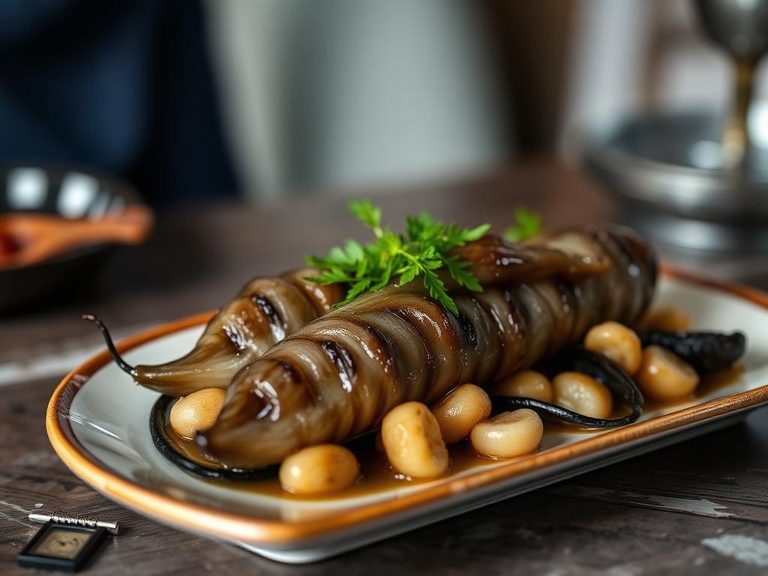
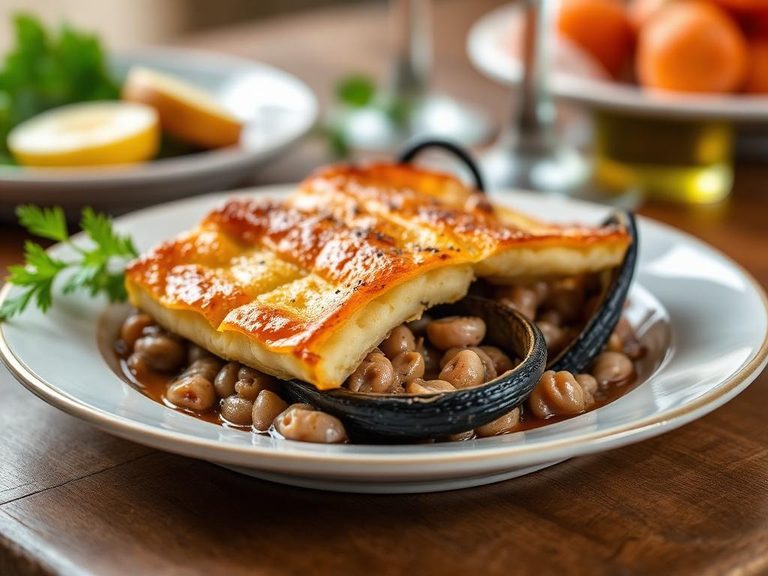
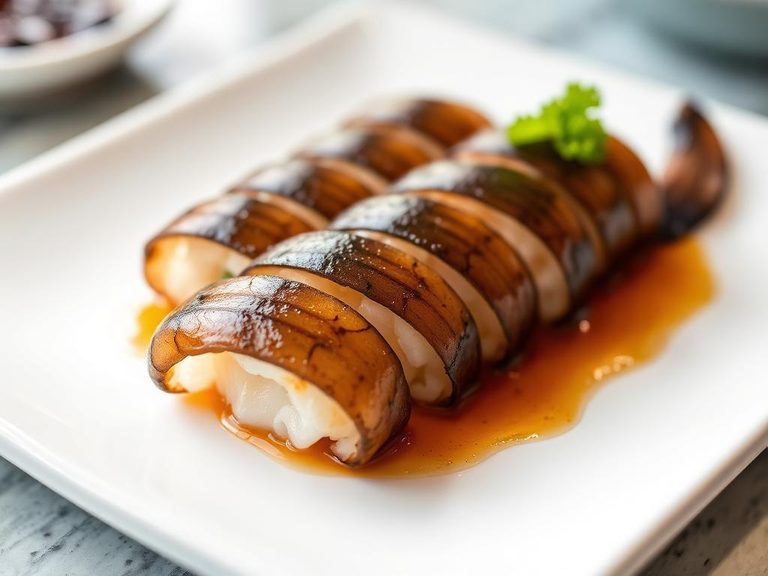
Smoked eel is a delicacy where freshwater or saltwater eel is first cured and then cold- or hot-smoked, resulting in a rich, savory flavor with a tender, flaky texture. It is often seasoned with salt, sugar, and spices like pepper or bay leaves before smoking. This dish is particularly popular in European cuisines, such as Dutch, German, and Scandinavian, as well as in parts of Asia like Japan and Taiwan.
🍽️ Nutrition at a glance
Smoked eel is high in protein and healthy fats, especially omega-3 fatty acids, while being very low in carbohydrates. A typical 100-gram serving provides around 200-250 calories, along with notable amounts of vitamin B12, selenium, and phosphorus.
Nutrition breakdown
| Calories | 236 kcal |
| Protein | 18.4 g |
| Carbs | 0 g |
| Fat | 17.6 g |
| Fiber | 0 g |
| Sugar | 0 g |
| Sodium | 480 mg |
| Vitamin B12 | 18.1 mcg |
| Vitamin D | 23.2 mcg |
| Selenium | 68.1 mcg |
| Phosphorus | 240 mg |
| Vitamin A | 180 mcg RAE |
| Niacin (B3) | 3.5 mg |
| Vitamin E | 2.1 mg |
| Omega-3 (EPA+DHA) | 1.4 g |
Per 100 g (3.5 oz) · estimated, varies by recipe
💡 What's interesting
Culturally, smoked eel has been a traditional food in coastal and riverine communities for centuries, often associated with festive occasions or as a preserved staple. Nutritionally, it stands out for its high concentration of omega-3s, which support heart and brain health, making it a flavorful way to incorporate beneficial fats into the diet.