

Willow, leaves in oil (Alaska Native)
Whole food · American Indian/Alaska Native Foods

Photo: Wikipedia
This is a traditional Alaska Native preparation of young willow leaves, slowly simmered in oil until they become tender and deeply savory. The leaves take on a rich, earthy, slightly resinous flavor, while the oil becomes infused with their essence, creating a potent, high-fat condiment or side. Nutritionally, it is an exceptionally dense source of calories and fat, providing a concentrated energy boost.
Calorie split: 2% protein · 5% carbs · 93% fat
↓ Full nutrition💚 Why it's loved
People love it for its unique, intense flavor that is both herbaceous and rich, and its cultural significance as a preserved food that connects generations to the land and traditional knowledge.
⚠️ Watch-outs & how to enjoy it better
The extremely high fat content (61g per 100g) makes it very calorie-dense, which could be a concern for those monitoring fat intake. The strong, acquired taste of resinous willow may not appeal to all palates. To enjoy, use it as a potent flavoring or condiment rather than a main dish, and pair it with lean proteins or fibrous vegetables to balance the meal.
Key benefits
- High-energy food for cold climates
- Traditional source of essential fatty acids
- Provides fat-soluble vitamins from willow
- Cultural heritage food for preservation
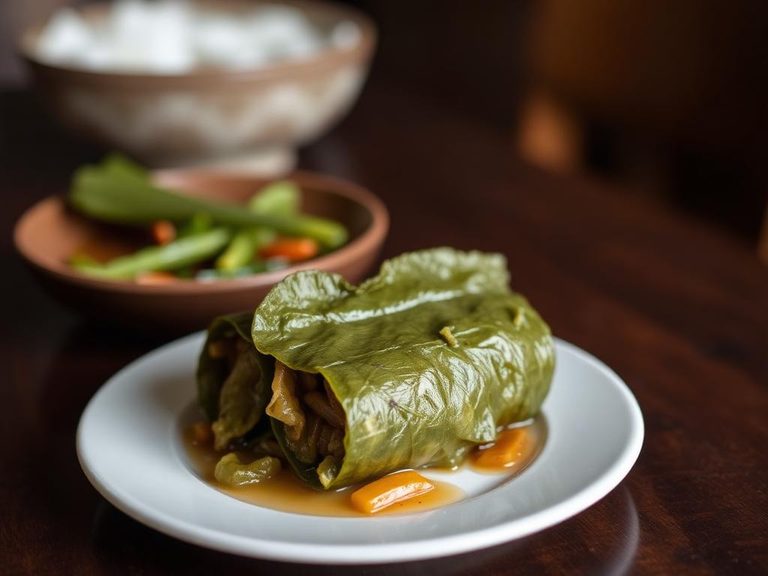
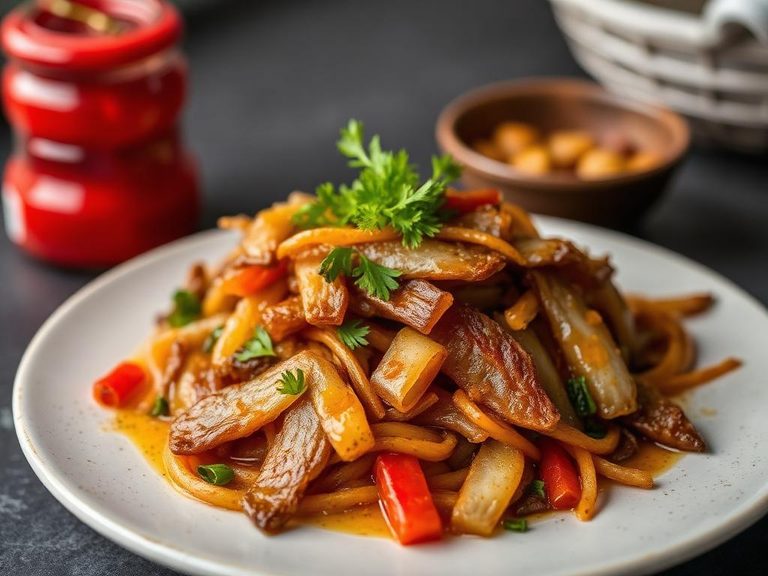
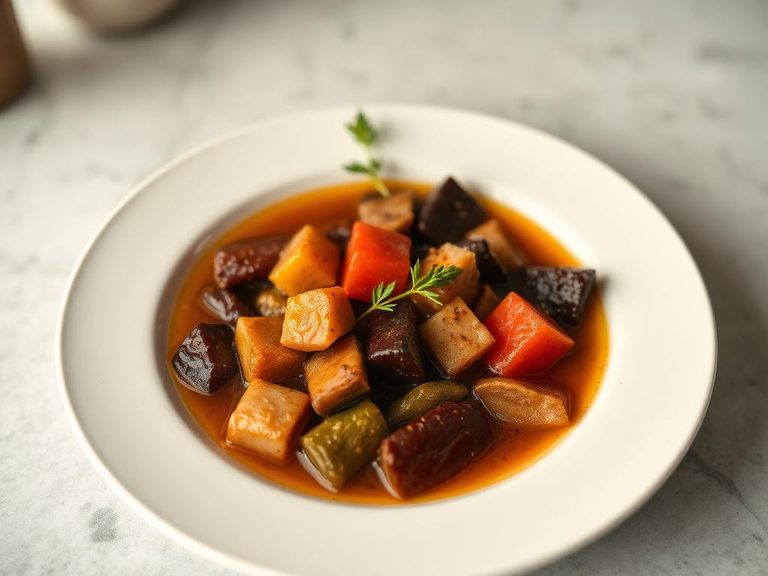
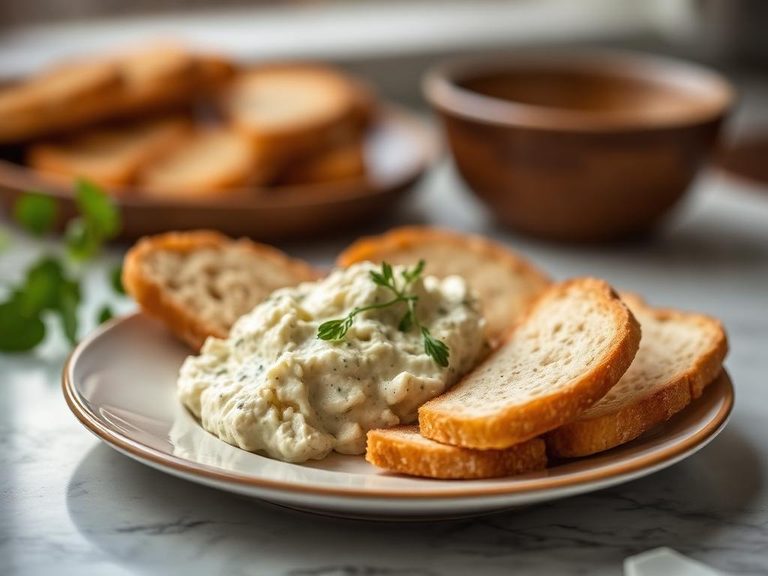
🍽️ Popular dishes
🌍 Where it's eaten
💡 Did you know?
Willow bark is the original source of salicin, the compound that led to the development of aspirin.
Full nutrition (USDA data · scales with serving)
| Water | 28.0 g |
| Energy | 592 kcal |
| Energy | 2476 kj |
| Protein | 2.6 g |
| Total lipid (fat) | 61.0 g |
| Ash | 0.30 g |
| Carbohydrate, by difference | 8.1 g |
| Iron, Fe | 1.3 mg |
| Phosphorus, P | 58.0 mg |
FAQ
What does it taste like?
It has a strong, savory, earthy flavor with resinous, slightly bitter notes from the willow, all carried in a rich, oily base.
How is it traditionally eaten?
It is typically used in small amounts as a condiment or flavoring agent, often alongside preserved fish or meats, rather than eaten by the bowlful.
Is it safe to eat willow leaves?
When prepared traditionally by knowledgeable practitioners, yes. The slow cooking in oil is believed to mellow the leaves. However, it is not a general foraging recommendation without expert guidance.
Weight-loss friendliness (composite index)
Energy density 5.92 kcal/g · 2% calories from protein · 0.0 g fiber · 0.0 g sugar per 100 g.
Composite of energy density (Rolls et al., 1999), protein & fiber satiety, minus sugar. A calculated heuristic — ranks satiety-per-calorie, not a clinical measure.