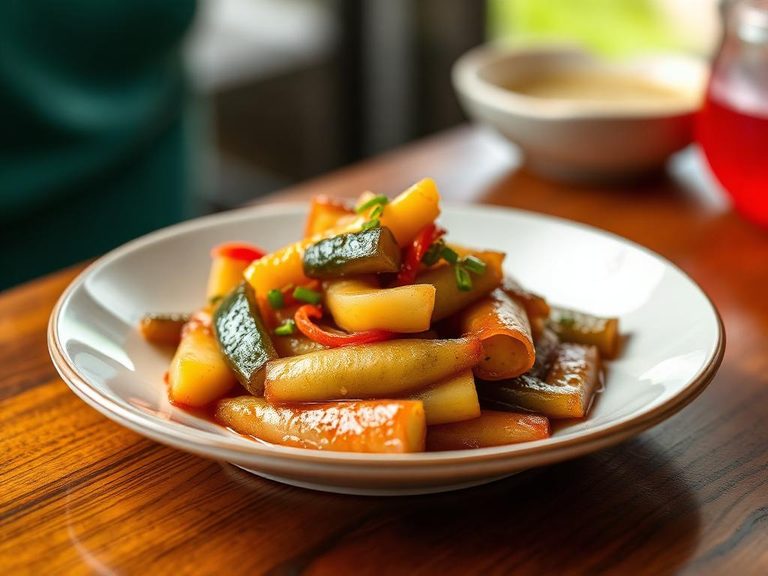
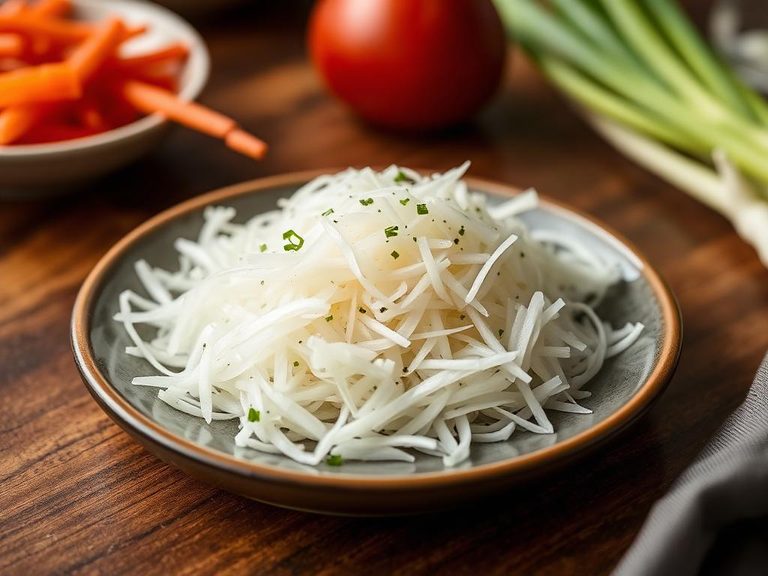
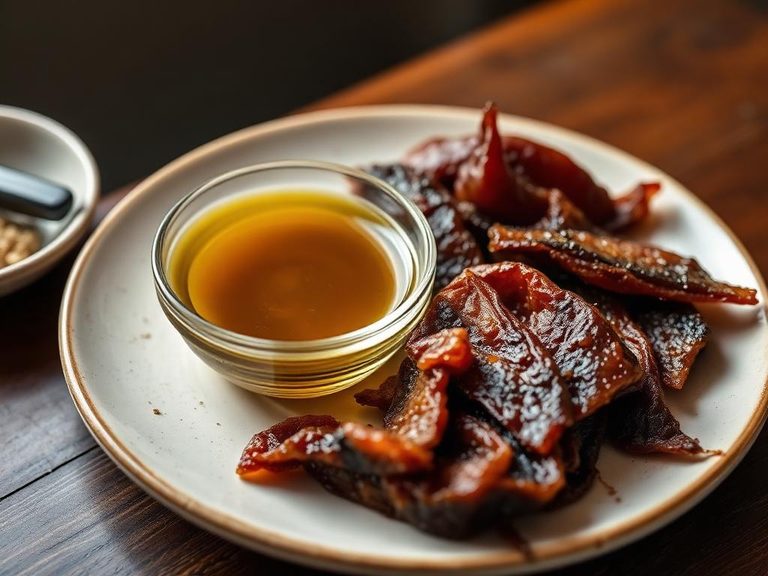
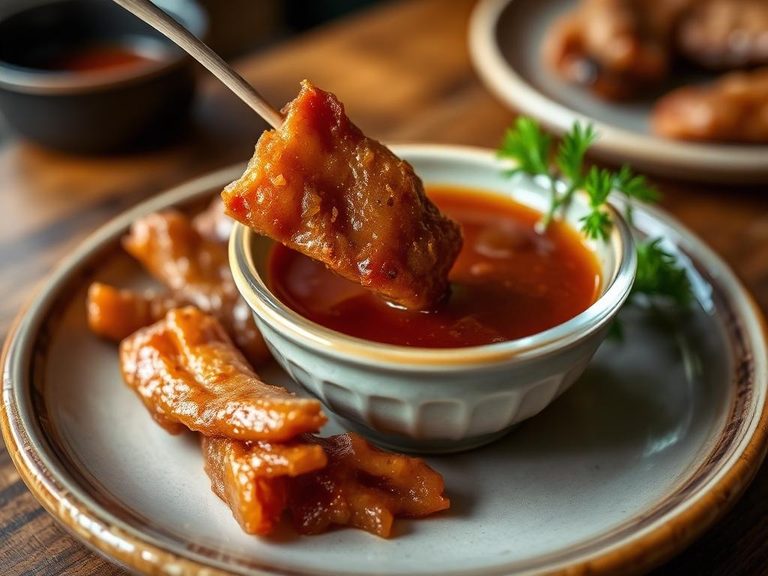
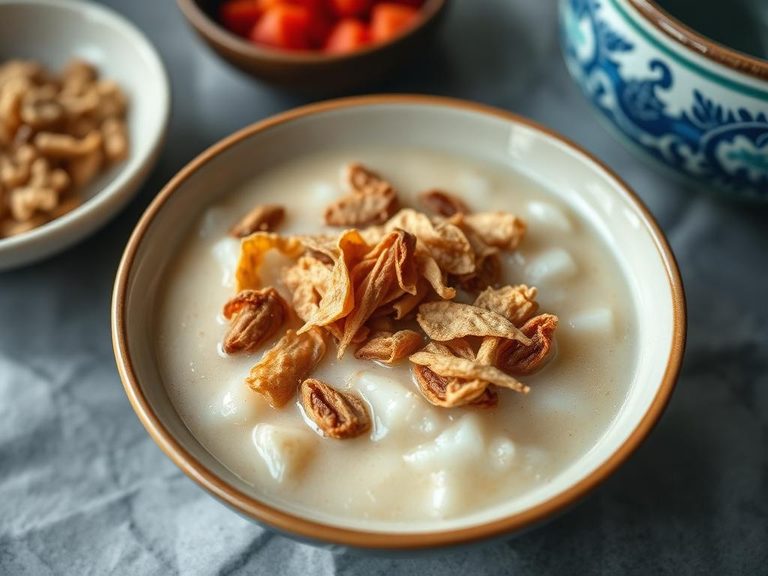
Used as a condiment for dried fish or meat
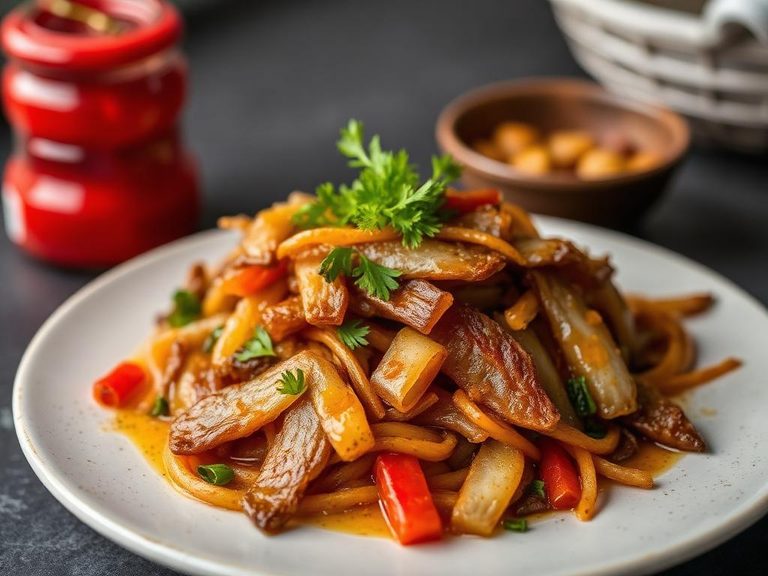
This is a traditional fermented condiment made from soybeans, salt, and sometimes wheat or rice, which is thickened into a paste. It is a staple in many East Asian cuisines, particularly Chinese, Japanese, and Korean, where it is used to add deep, savory umami flavor to dishes. It is often served alongside or used as a dipping sauce for dried fish, meat, or vegetables.
🍽️ Nutrition at a glance
This condiment is high in protein and sodium, with a moderate amount of fat and very few carbohydrates. It provides a good source of essential minerals like manganese and copper, and a typical serving contains roughly 100-150 calories.
Nutrition breakdown
| Calories | 120 kcal |
| Protein | 7 g |
| Carbs | 8 g |
| Fat | 6 g |
| Fiber | 2 g |
| Sugar | 2 g |
| Sodium | 1100 mg |
| Manganese | 0.5 mg |
| Copper | 0.3 mg |
| Phosphorus | 80 mg |
| Iron | 1.5 mg |
| Zinc | 1.2 mg |
| Selenium | 10 µg |
| Vitamin K | 5 µg |
| Riboflavin (B2) | 0.1 mg |
Per 1 tablespoon (18 g) · estimated, varies by recipe
💡 What's interesting
Culturally, this paste is a cornerstone of umami, the 'fifth taste,' and its fermentation process can span months or even years, developing complex flavors. Nutritionally, the fermentation increases the bioavailability of nutrients and creates beneficial probiotics.