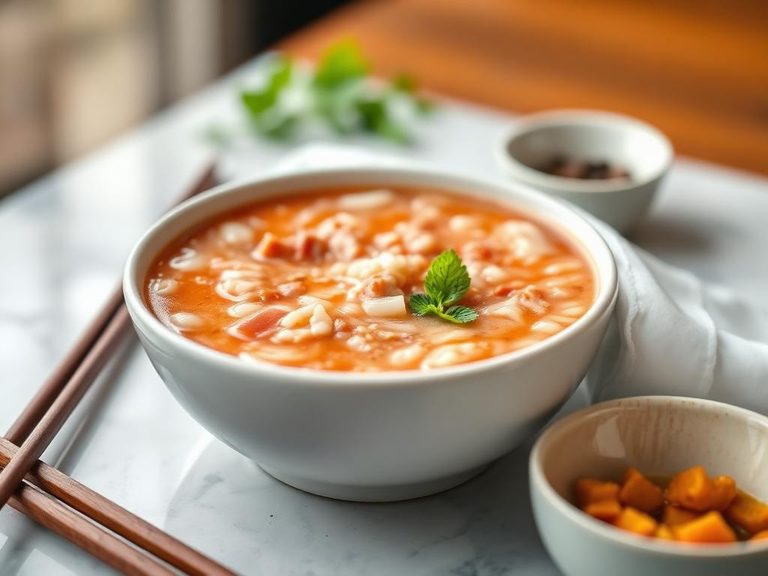
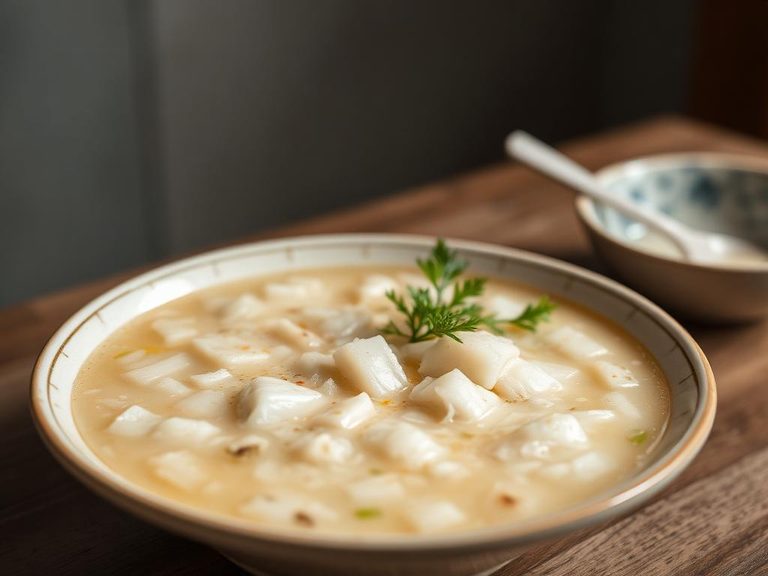
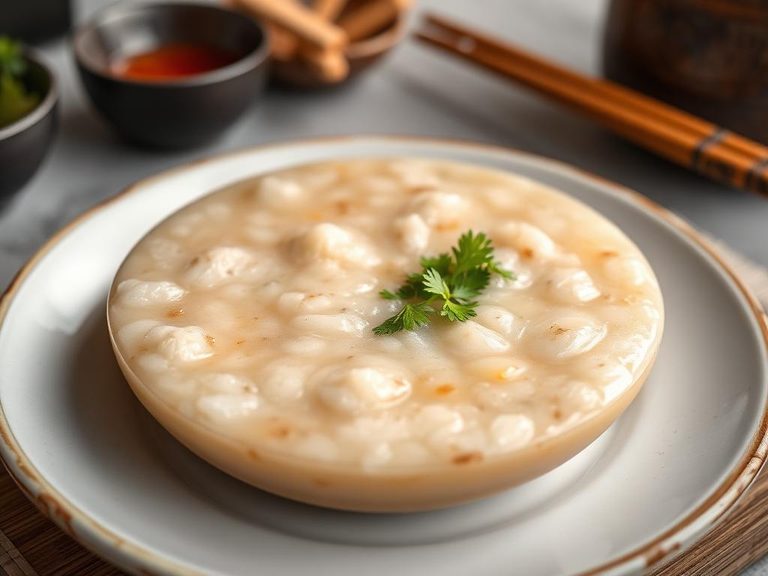
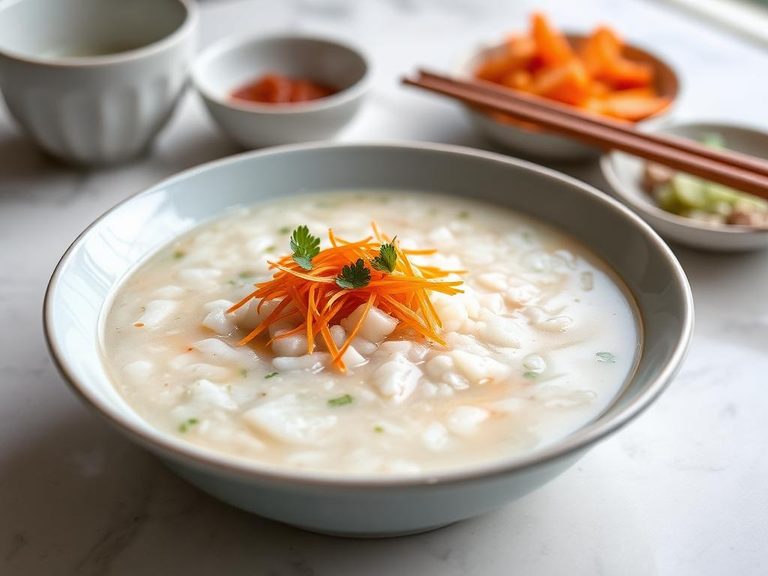
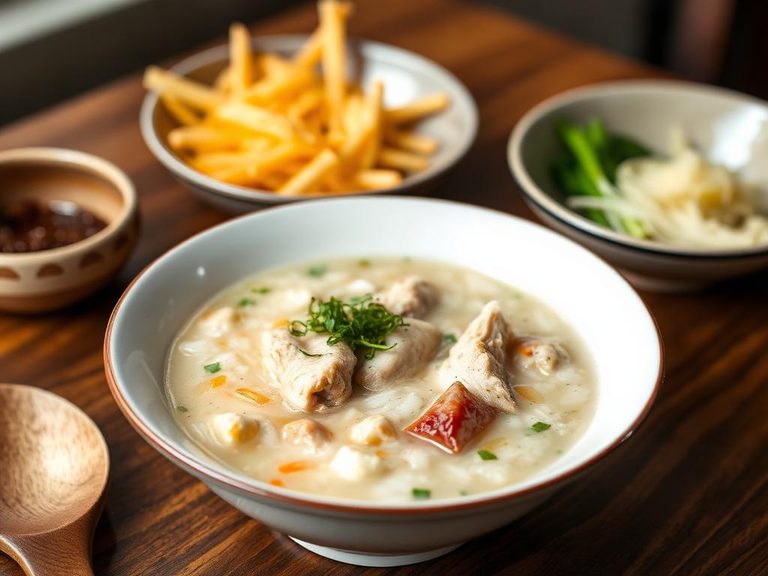
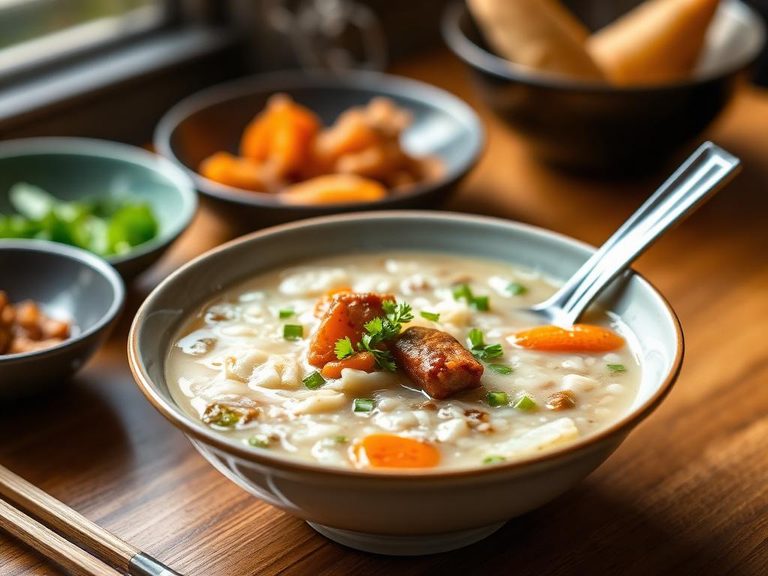
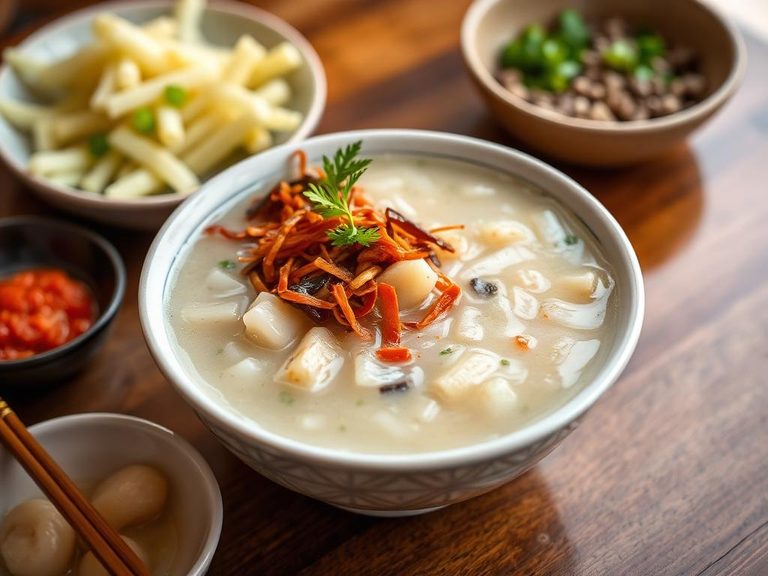
Dried and used in congee or sweet porridge
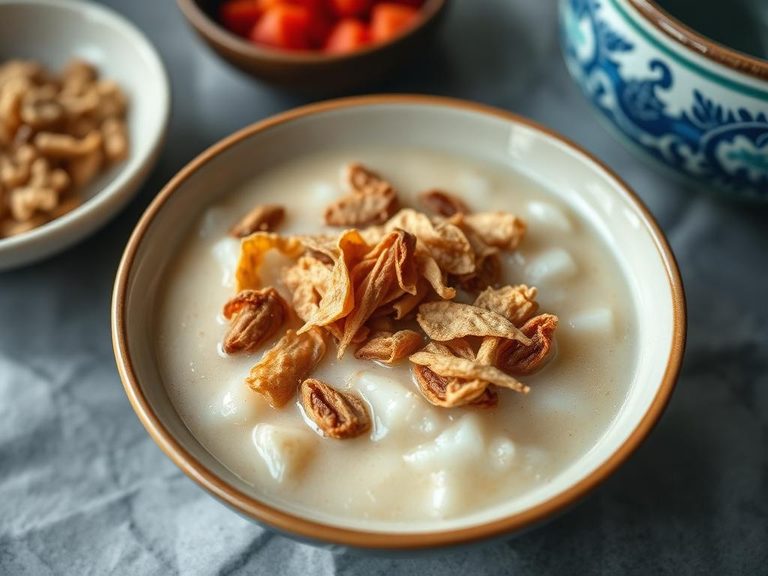
Dried tangerine peel, known as 'chenpi' (陈皮) in Chinese, is the sun-dried rind of mandarin oranges, prized for its intense, complex citrus aroma. It is not eaten on its own but is a classic aromatic ingredient simmered in congee (rice porridge) or sweet dessert soups to infuse them with a deep, fragrant, and slightly bitter-sweet flavor. This practice is a hallmark of Cantonese and traditional Chinese home cooking.
🍽️ Nutrition at a glance
As a dried spice used in small quantities, chenpi is very low in calories, fat, and protein. Its primary contribution is dietary fiber and a range of aromatic compounds, along with small amounts of minerals like potassium and calcium. A typical serving in a bowl of congee adds negligible calories, likely under 10 kcal.
Nutrition breakdown
| Calories | 6 kcal |
| Protein | 0.1 g |
| Carbs | 1.5 g |
| Fat | 0 g |
| Fiber | 0.8 g |
| Sugar | 0.3 g |
| Sodium | 1 mg |
| Potassium | 25 mg |
| Calcium | 15 mg |
| Magnesium | 3 mg |
| Vitamin C | 1 mg |
| Vitamin A | 3 µg RAE |
| Iron | 0.1 mg |
Per 1 small piece (about 2 g) · estimated, varies by recipe
💡 What's interesting
The flavor and medicinal properties of chenpi are believed to intensify with age, with high-quality pieces sometimes stored for decades, becoming a prized pantry item. In Traditional Chinese Medicine, it's valued for aiding digestion and reducing phlegm, making it a popular addition to soothing congees during colder months.