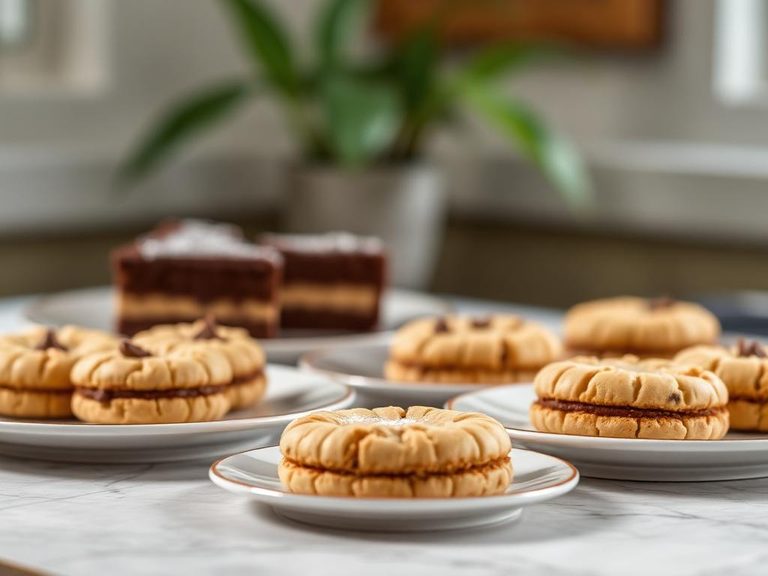
Yogurt frosting for cakes or cookies

Yogurt frosting is a light, tangy alternative to traditional buttercream, typically made by blending Greek yogurt with a sweetener like powdered sugar or honey and often a flavoring such as vanilla. It originates from modern home baking trends seeking a fresher, less sugary topping for cakes, cupcakes, and cookies.
🍽️ Nutrition at a glance
This frosting is generally lower in fat and calories than buttercream, providing a good source of protein and probiotics from the yogurt base, with a rough calorie estimate of 50-80 per tablespoon depending on sweetness.
Nutrition breakdown
| Calories | 150 kcal |
| Protein | 3 g |
| Carbs | 18 g |
| Fat | 7 g |
| Fiber | 0 g |
| Sugar | 15 g |
| Sodium | 50 mg |
| Calcium | 100 mg |
| Phosphorus | 80 mg |
| Vitamin B12 | 0.3 mcg |
| Riboflavin (B2) | 0.1 mg |
| Potassium | 150 mg |
| Vitamin A | 40 mcg |
| Vitamin D | 0.2 mcg |
| Magnesium | 10 mg |
Per 1/2 cup (120 g) · estimated, varies by recipe
💡 What's interesting
Culturally, it reflects a growing preference for healthier dessert options, and nutritionally, it offers gut-friendly benefits from live cultures in the yogurt, making it a functional food as well as a tasty topping.