

Cookies and cakes
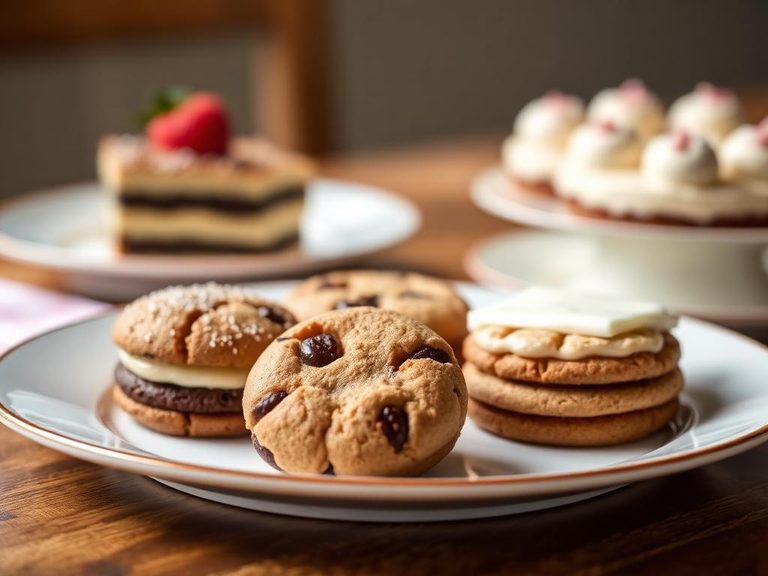
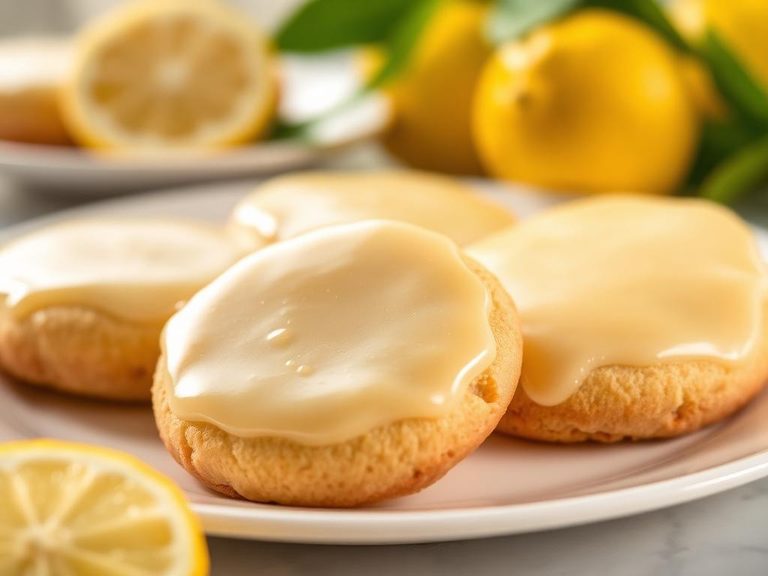
Cookies and cakes are beloved baked desserts, typically made from flour, sugar, eggs, butter or oil, and flavorings like vanilla or chocolate. They originate from various culinary traditions worldwide, with cakes often associated with celebrations and cookies as everyday treats. Their textures range from soft and fluffy to crisp and chewy, depending on the recipe.
🍳 View the full Cookies and cakes recipe →
🍽️ Nutrition at a glance
These treats are generally high in carbohydrates and fats, with moderate protein from eggs and flour. A typical serving (one cookie or a slice of cake) provides around 150-300 calories, along with some iron and B vitamins from enriched flour, though they are not significant sources of other nutrients.
Nutrition breakdown
| Calories | 280 kcal |
| Protein | 3.5 g |
| Carbs | 38 g |
| Fat | 13 g |
| Fiber | 1 g |
| Sugar | 22 g |
| Sodium | 190 mg |
| Calcium | 30 mg |
| Iron | 1.5 mg |
| Potassium | 80 mg |
| Vitamin A | 10 mcg |
| Vitamin D | 0.2 mcg |
| Thiamin (B1) | 0.1 mg |
| Niacin (B3) | 1.0 mg |
| Phosphorus | 40 mg |
Per 2 cookies (approx. 60 g) · estimated, varies by recipe
💡 What's interesting
Culturally, cakes are central to milestones like birthdays and weddings across many societies, while cookies often symbolize comfort and home baking. Nutritionally, their high energy density made them historically valuable for quick sustenance, though modern diets often limit them due to sugar and fat content.
🍽️ Related dishes



AI estimate may be inaccurate · Terms