Vin Santo
Vin Santo, or 'Holy Wine,' is a traditional Italian dessert wine, most famously produced in Tuscany. It is made from white grapes, such as Trebbiano and Malvasia, which are dried on racks for months to concentrate their sugars before fermentation and aging in small barrels. The wine is characterized by its rich amber color, complex flavors of honey, dried fruit, and nuts, and a sweet, lingering finish.
🍽️ Nutrition at a glance
As a sweet dessert wine, Vin Santo is very high in carbohydrates, primarily from residual sugars, and contains no significant protein or fat. A standard serving provides a quick source of energy through its sugar content, with a calorie count concentrated in a small volume.
Nutrition breakdown
| Calories | 135 kcal |
| Protein | 0 g |
| Carbs | 12 g |
| Fat | 0 g |
| Fiber | 0 g |
| Sugar | 10 g |
| Sodium | 5 mg |
| Potassium | 80 mg |
| Iron | 0.2 mg |
| Magnesium | 10 mg |
| Phosphorus | 15 mg |
| Manganese | 0.1 mg |
Per 1 small glass (75 ml) · estimated, varies by recipe
💡 What's interesting
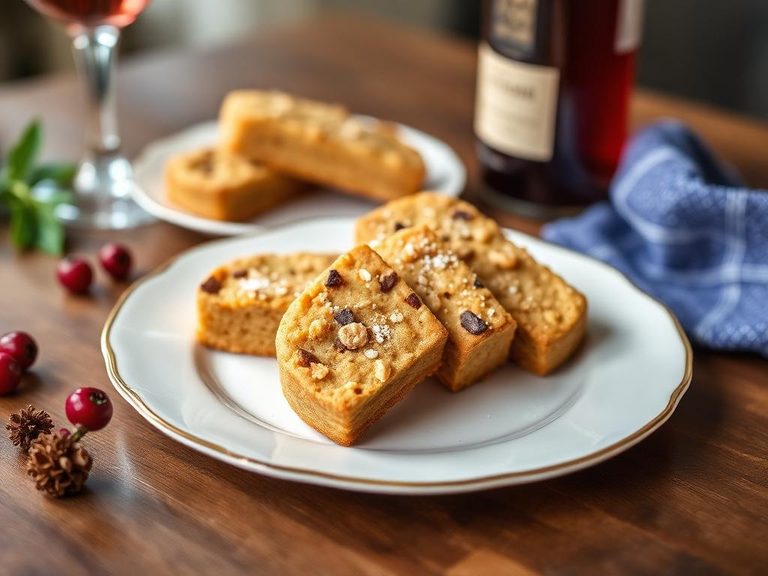
Culturally, Vin Santo is deeply embedded in Tuscan tradition, often served with almond biscotti (cantucci) for dipping, a ritual known as 'fare la scarpetta.' Nutritionally, its production process of drying grapes naturally concentrates certain antioxidants and minerals, though it is consumed for pleasure rather than as a nutritional staple.