

Spanish Tapas

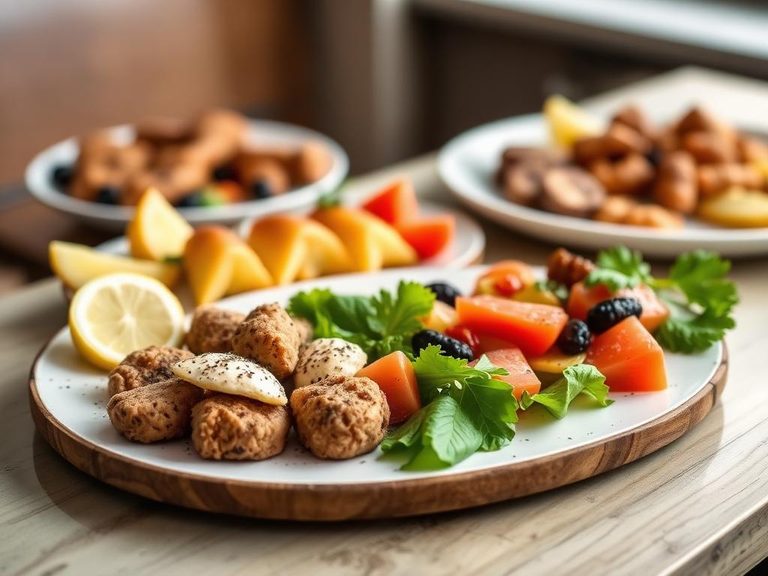
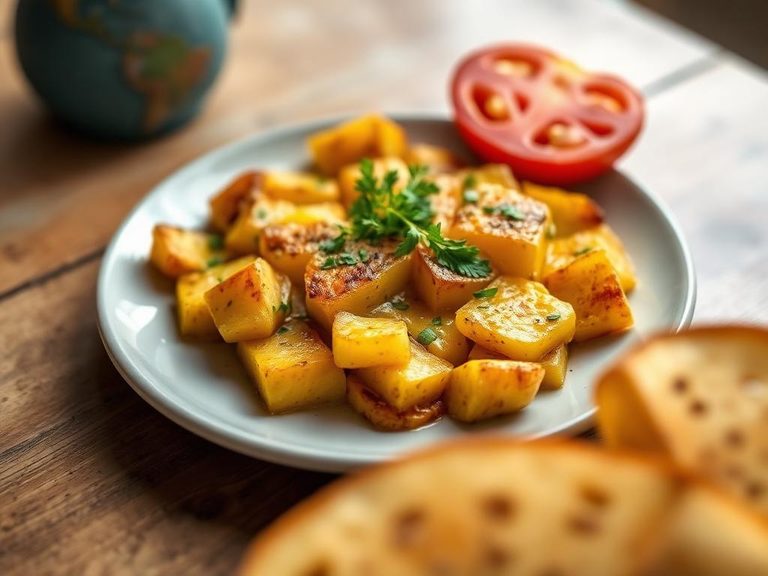
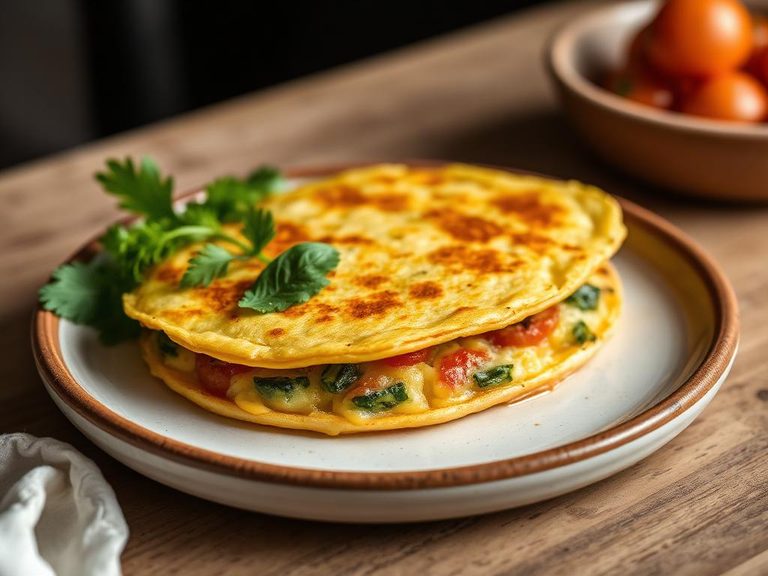
Spanish tapas are a diverse array of small, savory dishes or snacks originating from Spain, often enjoyed as appetizers or a full meal. They range from simple olives and cheeses to more elaborate dishes like patatas bravas, gambas al ajillo (garlic shrimp), and tortilla española (potato omelet). The tradition is deeply social, encouraging sharing and trying a variety of flavors.
🍽️ Nutrition at a glance
The nutritional profile of tapas varies widely depending on the dish, but they are often rich in healthy fats (like olive oil), protein (from seafood, meat, or eggs), and can include carbohydrates from potatoes or bread. A typical mixed tapas meal provides a balanced range of nutrients, with a calorie count that can range from 300 to 600 kcal per person depending on selection and portion sizes.
Nutrition breakdown
| Calories | 450 kcal |
| Protein | 20 g |
| Carbs | 35 g |
| Fat | 25 g |
| Fiber | 6 g |
| Sugar | 5 g |
| Sodium | 800 mg |
| Potassium | 450 mg |
| Vitamin C | 15 mg |
| Iron | 3 mg |
| Calcium | 100 mg |
| Vitamin B12 | 1.5 µg |
| Selenium | 15 µg |
| Vitamin A | 80 µg |
| Magnesium | 40 mg |
Per A typical mixed tapas plate (e.g., 2-3 small dishes, approx. 200-300 g total) · estimated, varies by recipe
💡 What's interesting
Culturally, tapas are a cornerstone of Spanish social life, embodying the 'tapeo' or bar-hopping tradition where friends gather to share small plates and conversation. Nutritionally, the Mediterranean diet foundation of many tapas—featuring olive oil, garlic, tomatoes, and seafood—is associated with heart health and longevity.
🍽️ Related dishes

AI estimate may be inaccurate · Terms