

Sangria (base)
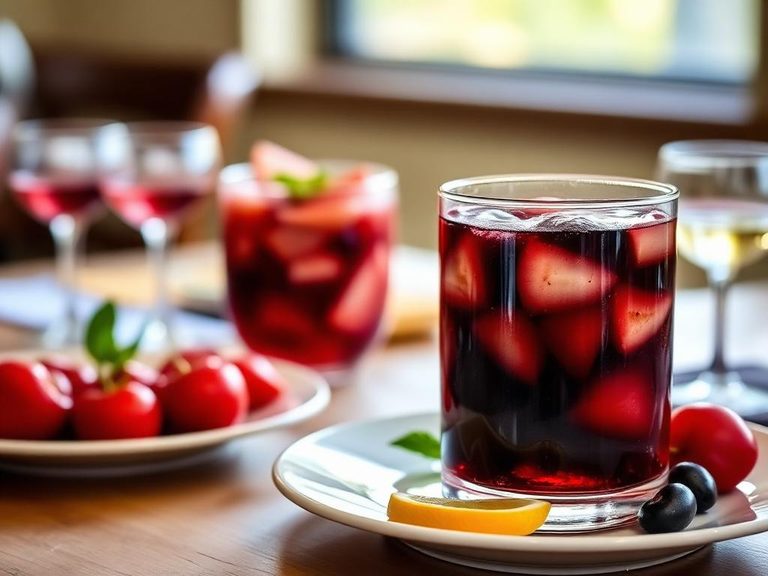
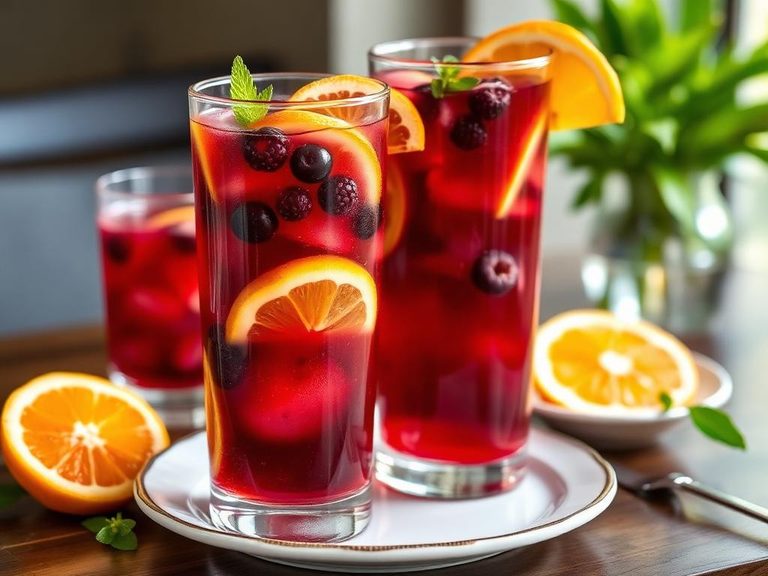
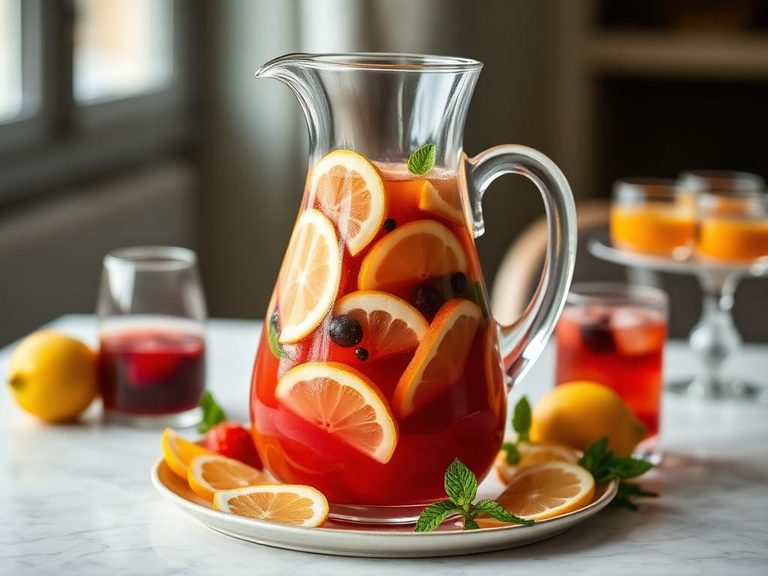
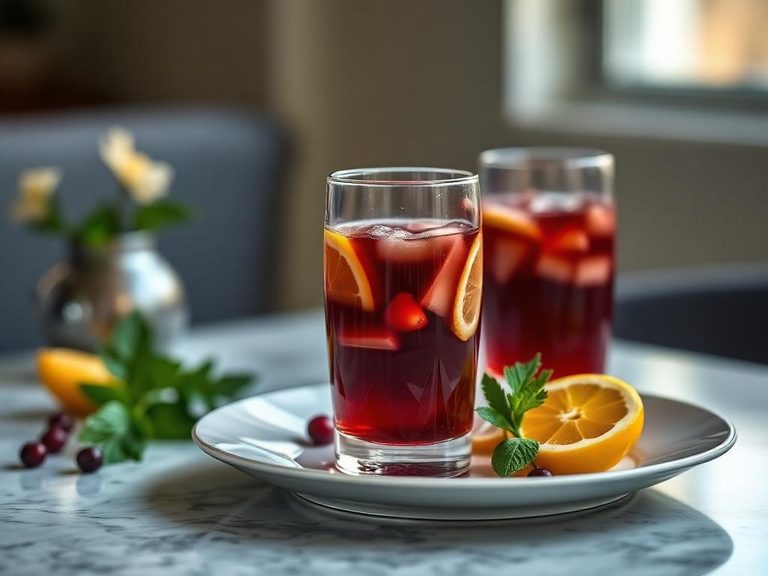
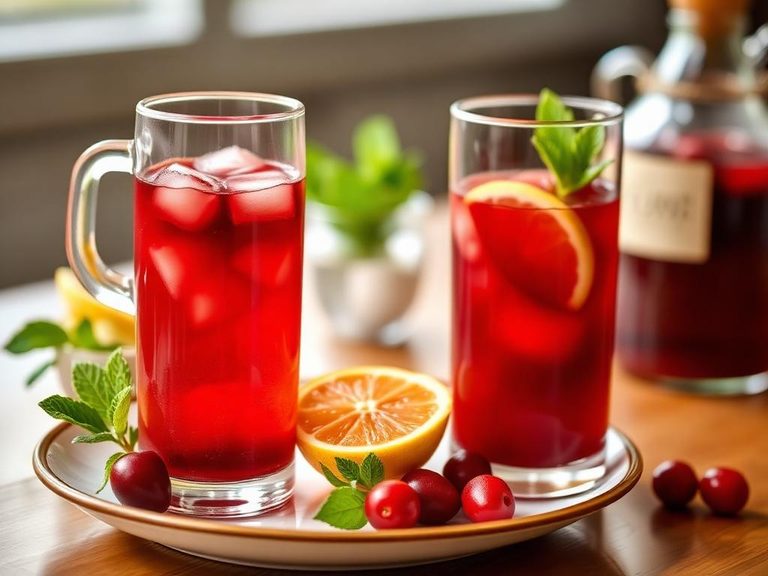
Sangria is a refreshing, wine-based punch originating from Spain and Portugal, traditionally made by mixing red wine with chopped fruit, a sweetener, and a small amount of brandy or orange juice. It's a festive, communal drink often served at gatherings and is celebrated for its vibrant color and fruity aroma.
🍽️ Nutrition at a glance
As a sweetened alcoholic beverage, Sangria is primarily a source of simple carbohydrates from added sugars and fruit, with negligible protein and fat. A typical serving contains roughly 150-200 calories, with most energy coming from alcohol and sugar.
Nutrition breakdown
| Calories | 180 kcal |
| Protein | 0.5 g |
| Carbs | 24 g |
| Fat | 0 g |
| Fiber | 1 g |
| Sugar | 20 g |
| Sodium | 10 mg |
| Vitamin C | 10 mg |
| Potassium | 180 mg |
| Magnesium | 15 mg |
| Vitamin B6 | 0.1 mg |
| Folate | 12 µg |
| Copper | 0.1 mg |
| Manganese | 0.2 mg |
| Iron | 0.5 mg |
Per 1 cup (240 g) · estimated, varies by recipe
💡 What's interesting
Culturally, Sangria is a symbol of Spanish conviviality and is deeply tied to social, outdoor dining. Nutritionally, while not a health food, the inclusion of fresh fruit does contribute small amounts of vitamins and antioxidants compared to many other cocktails.
🍽️ Related dishes
AI estimate may be inaccurate · Terms