

Pad Woon Sen
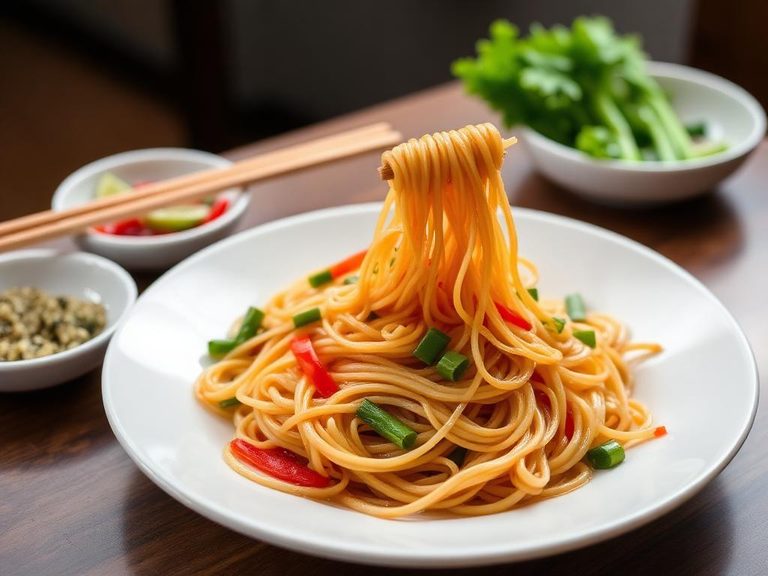
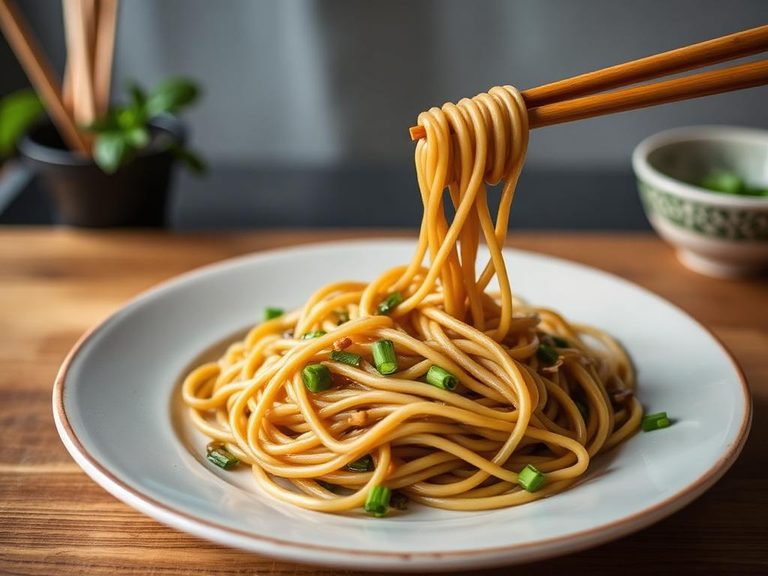
Pad Woon Sen is a popular Thai stir-fry dish featuring thin, translucent glass noodles made from mung bean starch. It typically includes a savory mix of vegetables like cabbage, carrots, and onions, along with protein such as shrimp, chicken, or tofu, all tossed in a flavorful sauce of soy sauce, oyster sauce, and fish sauce.
🍽️ Nutrition at a glance
This dish is generally moderate in carbohydrates from the noodles and vegetables, with a good amount of protein from the added meat or tofu. A typical serving provides a balanced mix of nutrients and usually ranges from 300 to 450 calories.
Nutrition breakdown
| Calories | 350 kcal |
| Protein | 15 g |
| Carbs | 45 g |
| Fat | 12 g |
| Fiber | 3 g |
| Sugar | 5 g |
| Sodium | 800 mg |
| Potassium | 300 mg |
| Iron | 2.5 mg |
| Vitamin C | 15 mg |
| Vitamin A | 80 mcg RAE |
| Calcium | 50 mg |
| Magnesium | 30 mg |
| Phosphorus | 120 mg |
| Selenium | 10 mcg |
Per 1 serving (approx. 240 g) · estimated, varies by recipe
💡 What's interesting
What makes Pad Woon Sen unique is the use of glass noodles, which become pleasantly chewy and absorb the savory sauce beautifully, creating a distinct texture. It's a versatile and often lighter alternative to other Thai noodle dishes like Pad Thai, reflecting the adaptability of Thai cuisine to different ingredients and dietary preferences.
🍽️ Related dishes
AI estimate may be inaccurate · Terms