Marzipan-covered cakes
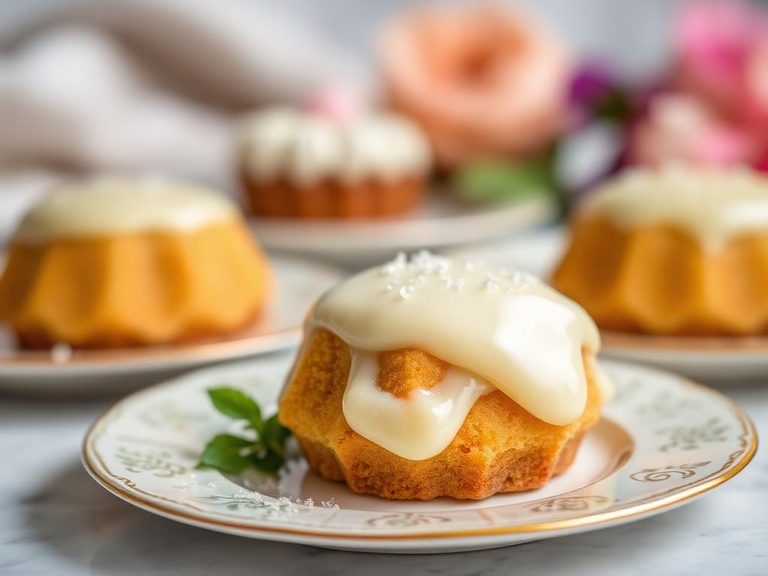
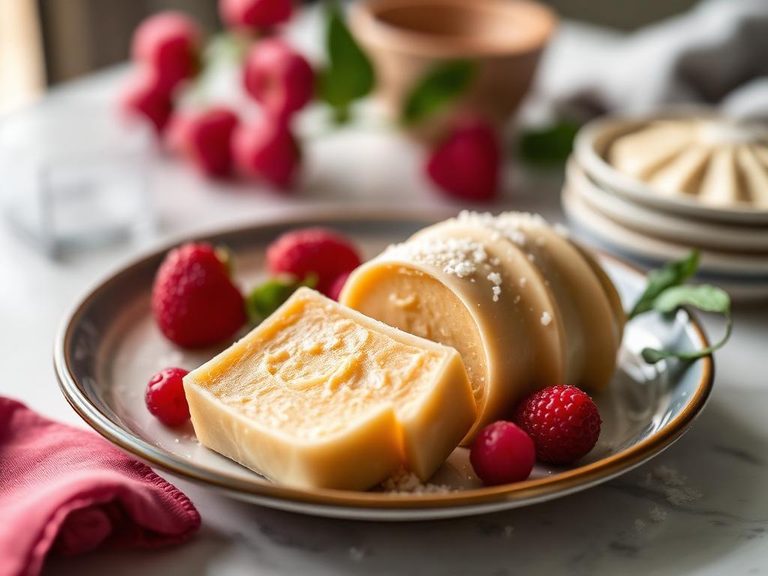
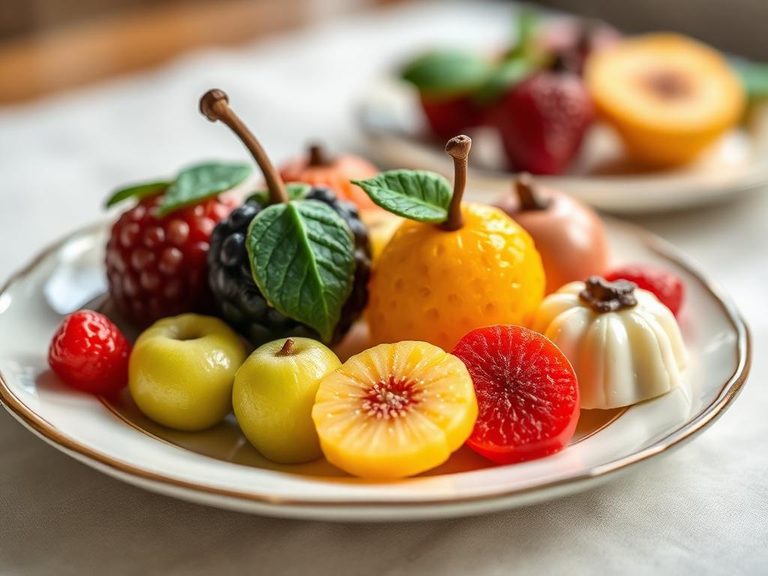
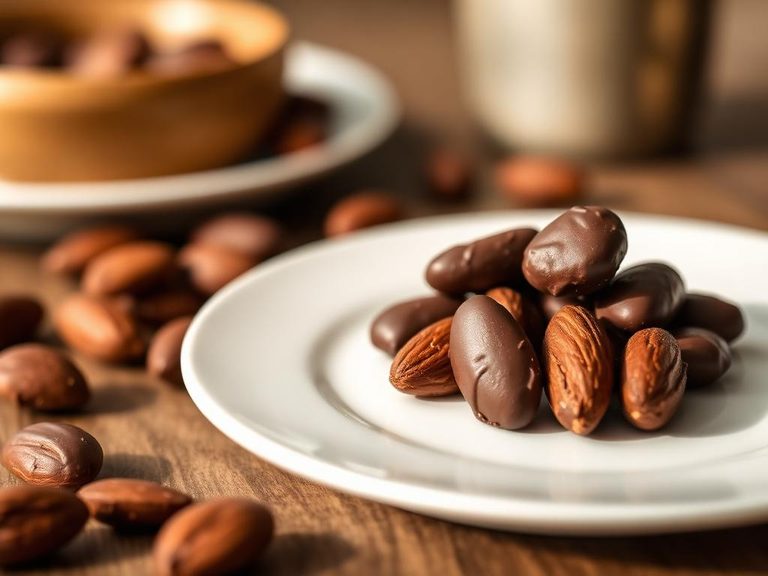
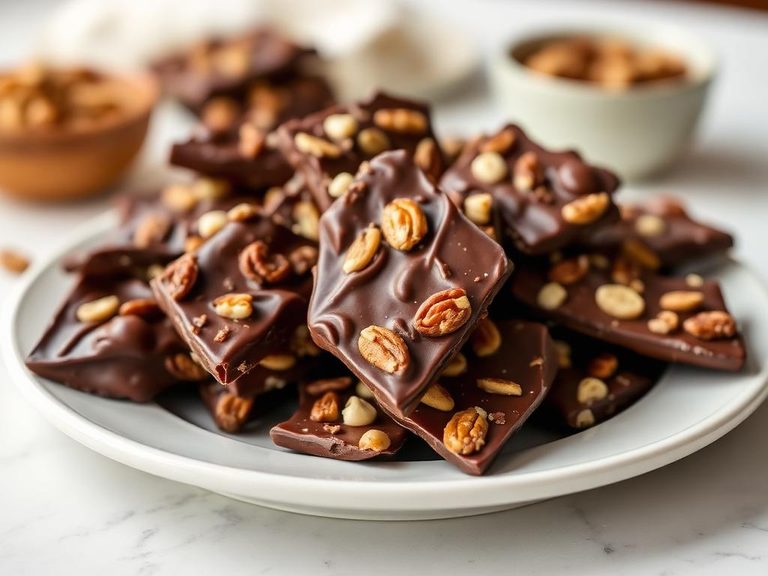
Marzipan-covered cakes are elegant confections featuring a light sponge cake layered or filled with jam or buttercream, then completely enrobed in a smooth, sculpted layer of marzipan. This almond-based paste, made from ground almonds, sugar, and often a touch of almond extract or liqueur, is the star ingredient, providing a distinct sweet, nutty flavor and a pliable texture for decoration. The style is most famously associated with British and European celebrations, particularly for weddings and Christmas.
🍽️ Nutrition at a glance
This dessert is very high in carbohydrates and fat, primarily from the sugar and almond content of the marzipan and the cake's butter and flour. A single serving provides a significant amount of energy (calories) and some beneficial nutrients from the almonds, such as vitamin E and magnesium, but is considered an indulgent treat rather than a nutrient-dense food.
Nutrition breakdown
| Calories | 420 kcal |
| Protein | 6 g |
| Carbs | 50 g |
| Fat | 22 g |
| Fiber | 2 g |
| Sugar | 38 g |
| Sodium | 120 mg |
| Vitamin E | 5 mg |
| Magnesium | 40 mg |
| Manganese | 0.4 mg |
| Copper | 0.2 mg |
| Phosphorus | 80 mg |
| Iron | 1.2 mg |
| Niacin (B3) | 1.5 mg |
| Riboflavin (B2) | 0.1 mg |
Per 1 slice (100 g) · estimated, varies by recipe
💡 What's interesting
Marzipan's history is rich and debated, with origins claimed by both the Middle East and Europe, and it was historically used not just for sweets but also as a medicinal paste. Nutritionally, while it's a sugary confection, the almond base offers a better fatty acid profile and more protein than pure sugar fondant, making it a slightly more substantial coating.