

Light Salad Dressing Ingredient
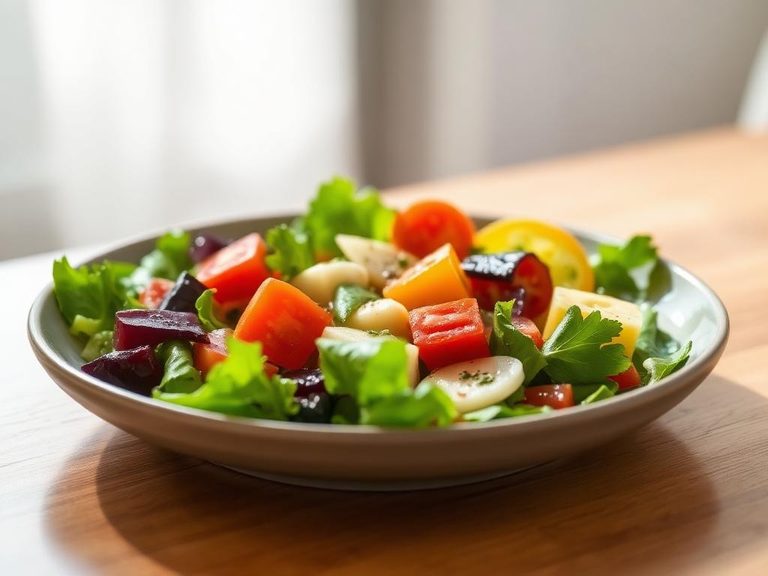
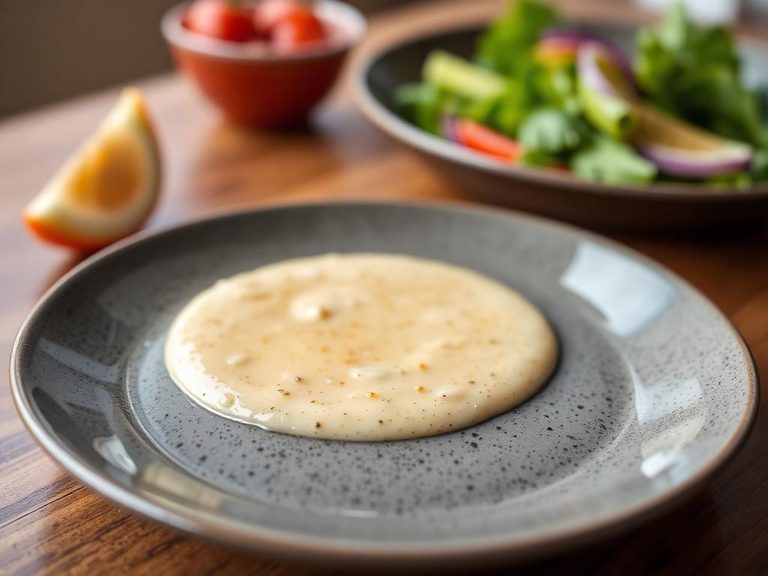
Light Salad Dressing is a category of condiments designed to add flavor to salads with a lower calorie and fat content compared to traditional creamy dressings. Typically, these are oil-and-vinegar based, often using ingredients like olive oil, lemon juice, vinegar, herbs, and sometimes a touch of mustard or honey for emulsification and taste. This style of dressing is widely popular in Western cuisine, particularly in American and European health-conscious cooking.
🍳 View the full Light Salad Dressing Ingredient recipe →
🍽️ Nutrition at a glance
Light dressings are generally lower in fat and calories than creamy alternatives, with a typical serving containing around 40-70 calories. They primarily provide healthy fats from oils like olive or canola, along with small amounts of vitamins and antioxidants from herbs and citrus, while being low in protein and carbohydrates.
Nutrition breakdown
| Calories | 45 kcal |
| Protein | 0.1 g |
| Carbs | 2.5 g |
| Fat | 4 g |
| Fiber | 0.1 g |
| Sugar | 2 g |
| Sodium | 210 mg |
| Sodium | 210 mg |
| Potassium | 15 mg |
| Vitamin A | 15 mcg RAE |
| Vitamin E | 0.5 mg |
| Vitamin K | 8 mcg |
| Iron | 0.1 mg |
| Calcium | 5 mg |
| Magnesium | 2 mg |
Per 2 tablespoons (30 g) · estimated, varies by recipe
💡 What's interesting
The concept of 'light' dressing reflects a broader cultural shift towards healthier eating, where flavor is maintained through herbs and acids rather than heavy fats. Nutritionally, these dressings can enhance the absorption of fat-soluble vitamins (like A, D, E, and K) from vegetables in a salad, making them a functional complement to a nutritious meal.
🍽️ Related dishes


AI estimate may be inaccurate · Terms