

Greek Coffee
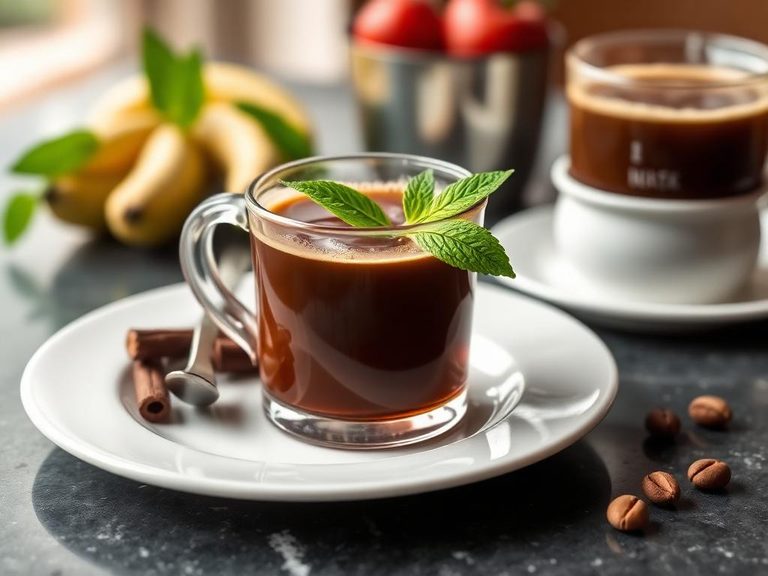
Greek coffee, also known as Ellinikos kafes, is a traditional coffee preparation from Greece and the broader Eastern Mediterranean. It is made by simmering very finely ground coffee beans with water and often sugar in a small, long-handled pot called a briki, and is typically served unfiltered in a small cup.
🍽️ Nutrition at a glance
A standard serving without added sugar is very low in calories, carbs, fat, and protein, providing primarily caffeine and antioxidants from the coffee beans. Adding sugar, as is common, increases the carbohydrate and calorie content.
Nutrition breakdown
| Calories | 2 kcal |
| Protein | 0.1 g |
| Carbs | 0 g |
| Fat | 0 g |
| Fiber | 0 g |
| Sugar | 0 g |
| Sodium | 5 mg |
| Potassium | 90 mg |
| Magnesium | 7 mg |
| Niacin (B3) | 0.2 mg |
| Riboflavin (B2) | 0.01 mg |
Per 1 cup (60 g) · estimated, varies by recipe
💡 What's interesting
The thick grounds left at the bottom of the cup are traditionally used for tasseography, a form of fortune-telling by 'reading' the patterns they form. The coffee is also central to the social ritual of 'kafenio' culture, where it is sipped slowly and often accompanied by a glass of water and a sweet treat.
🍽️ Related dishes




AI estimate may be inaccurate · Terms