

Cider
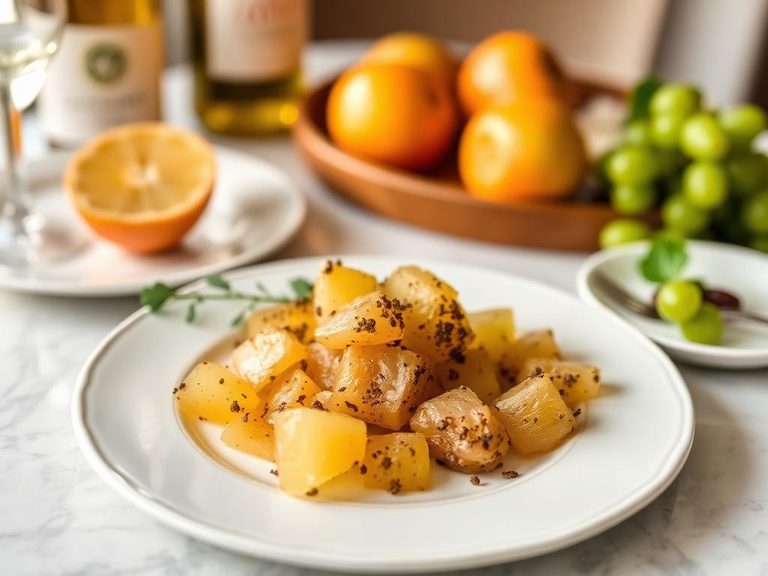
Cider is an alcoholic beverage fermented primarily from apple juice, though some styles, particularly from regions like the Loire Valley in France, use Chenin Blanc grapes to add complexity and acidity. It ranges from dry to sweet and can be still or sparkling, with a flavor profile that often includes notes of apple, pear, and subtle floral or earthy undertones.
🍽️ Nutrition at a glance
Cider is a moderate source of carbohydrates, primarily from natural fruit sugars, with negligible fat and protein. A standard serving provides a small amount of potassium and antioxidants from the fruit, and typically contains around 150-200 calories.
Nutrition breakdown
| Calories | 180 kcal |
| Protein | 0.2 g |
| Carbs | 15 g |
| Fat | 0 g |
| Fiber | 0.5 g |
| Sugar | 12 g |
| Sodium | 10 mg |
| Potassium | 200 mg |
| Vitamin C | 5 mg |
| Manganese | 0.1 mg |
| Iron | 0.3 mg |
| Magnesium | 10 mg |
| Phosphorus | 20 mg |
| Copper | 0.05 mg |
| Vitamin B6 | 0.05 mg |
Per 1 cup (240 g) · estimated, varies by recipe
💡 What's interesting
Cider-making has ancient roots in Europe, and using Chenin Blanc grapes is a traditional practice in some French ciders, blending viticulture with pomology to create a unique hybrid style. Nutritionally, it retains some polyphenols from the fruit, which are antioxidants that can support overall health in moderation.
🍽️ Related dishes






AI estimate may be inaccurate · Terms