Blended into a smoothie with milk or yogurt
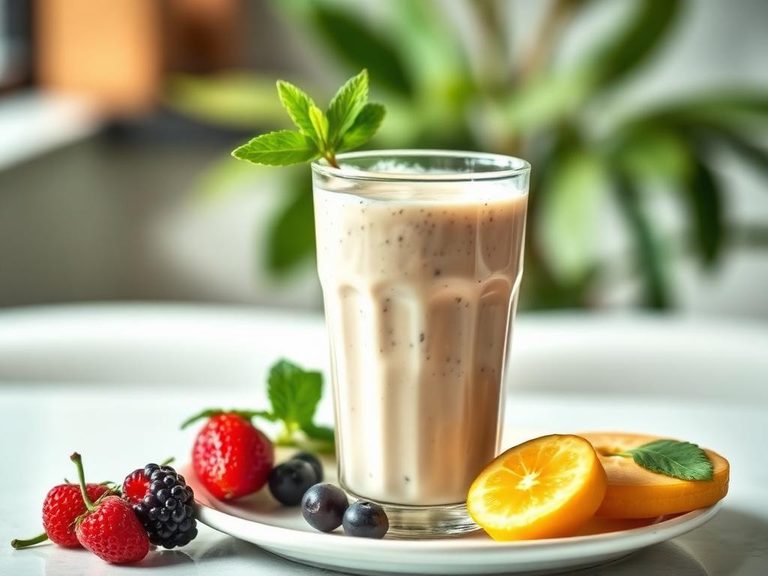
This is not a standalone dish but a popular preparation method where fruits, vegetables, or other ingredients are blended into a smooth, drinkable consistency using a base of milk or yogurt. Common ingredients include bananas, berries, spinach, and protein powders, creating a versatile and quick meal or snack. This style of preparation is globally popular, especially in health-conscious communities and modern Western cuisine.
🍽️ Nutrition at a glance
The nutritional profile varies greatly but is often balanced, providing carbohydrates from fruit, protein and fat from the dairy base, and a wealth of vitamins and minerals. A typical fruit and yogurt smoothie can range from 200 to 400 calories per serving, making it a substantial snack or light meal.
Nutrition breakdown
| Calories | 280 kcal |
| Protein | 12 g |
| Carbs | 45 g |
| Fat | 6 g |
| Fiber | 5 g |
| Sugar | 30 g |
| Sodium | 90 mg |
| Calcium | 250 mg |
| Potassium | 450 mg |
| Vitamin C | 35 mg |
| Vitamin A | 120 mcg |
| Vitamin B12 | 0.8 mcg |
| Magnesium | 40 mg |
| Phosphorus | 200 mg |
| Riboflavin (B2) | 0.4 mg |
Per 1 medium glass (300 g) · estimated, varies by recipe
💡 What's interesting
Smoothies represent a modern, convenient evolution of traditional blended drinks like Indian lassi or Middle Eastern ayran, but are often fortified with additional nutrients. Their ability to incorporate a wide variety of ingredients, from leafy greens to supplements, makes them a unique vehicle for personalized nutrition.
🍽️ Related dishes
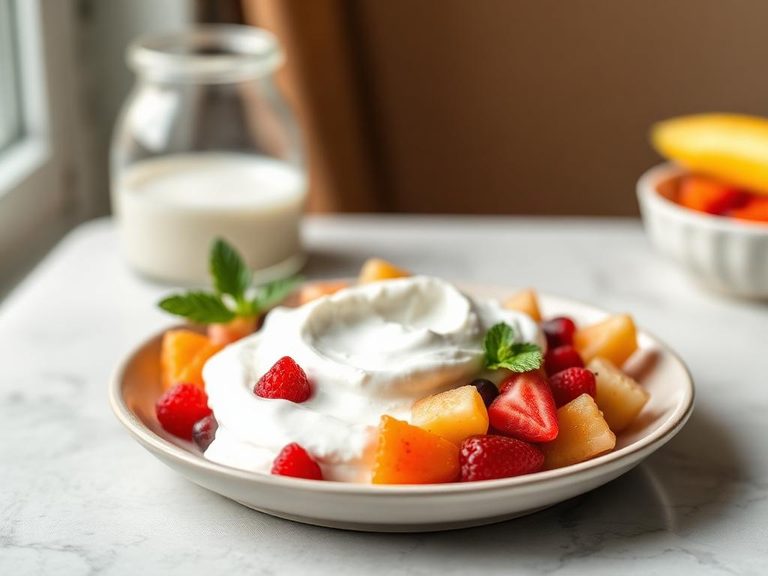 Blended into plain whole-milk yogurt
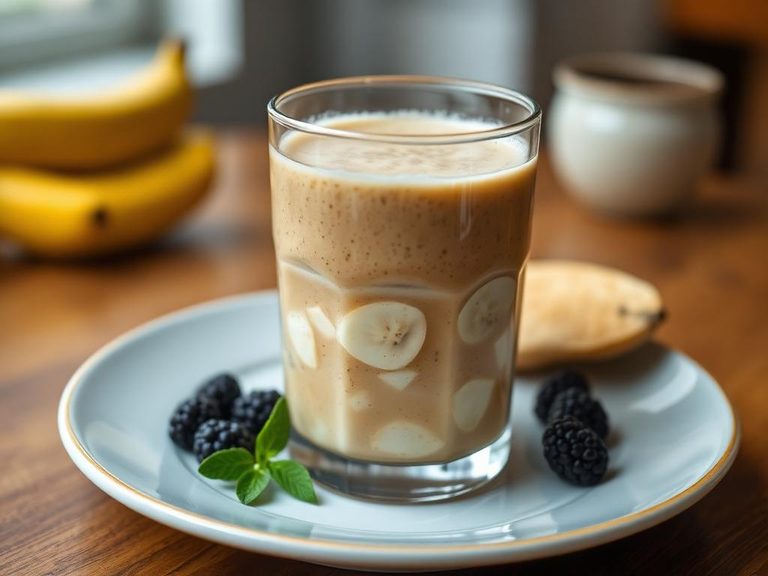 Blended into a smoothie with banana and yogurt
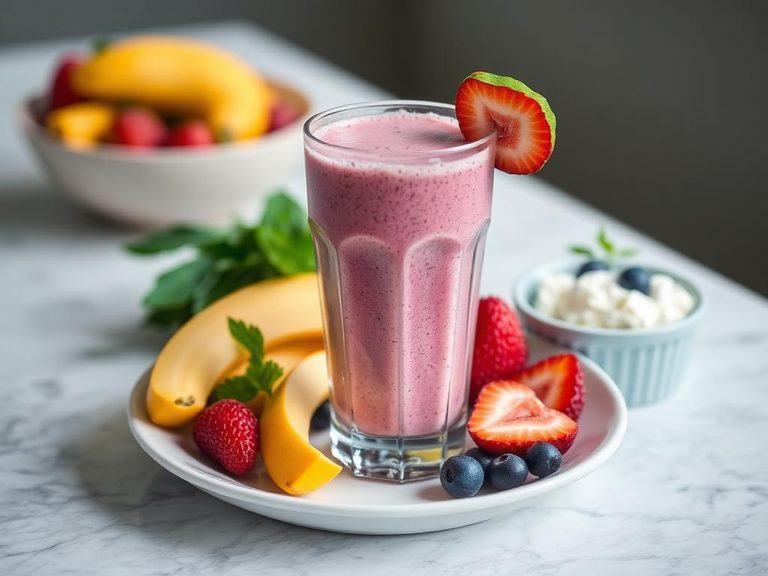 Blended into a smoothie with other fruits and yogurt
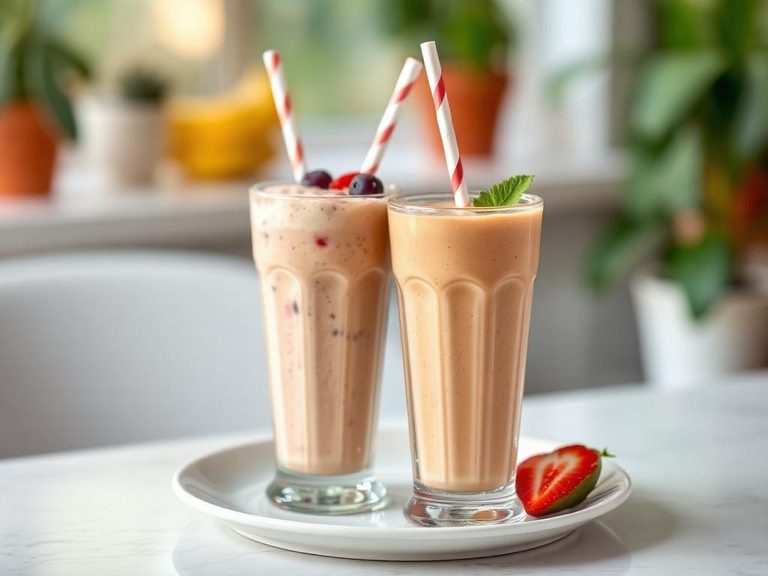 Blended into milkshakes or smoothies
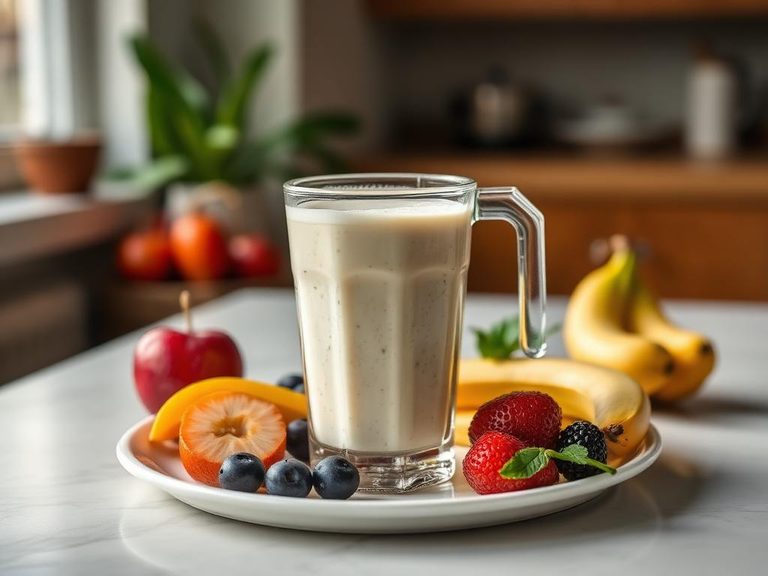 Blended into a smoothie with milk or formula
 Blended into milkshakes for a malted flavor
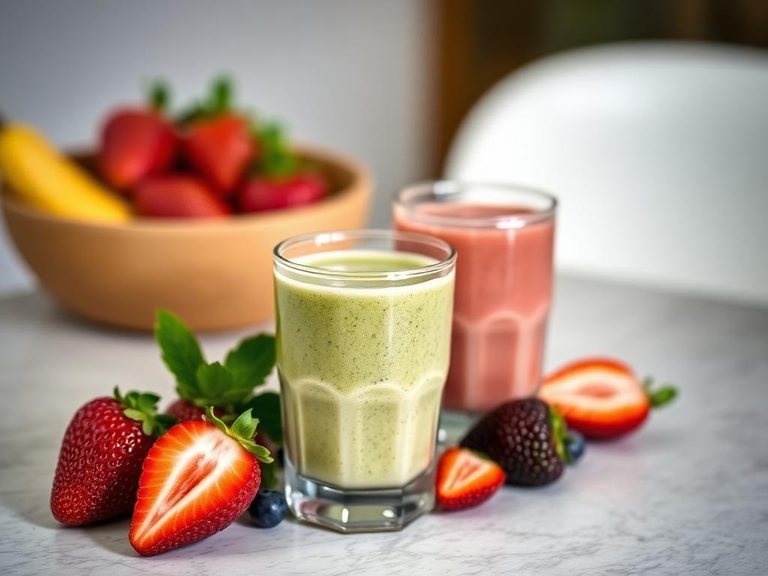 Blended into fruit smoothies for older toddlers
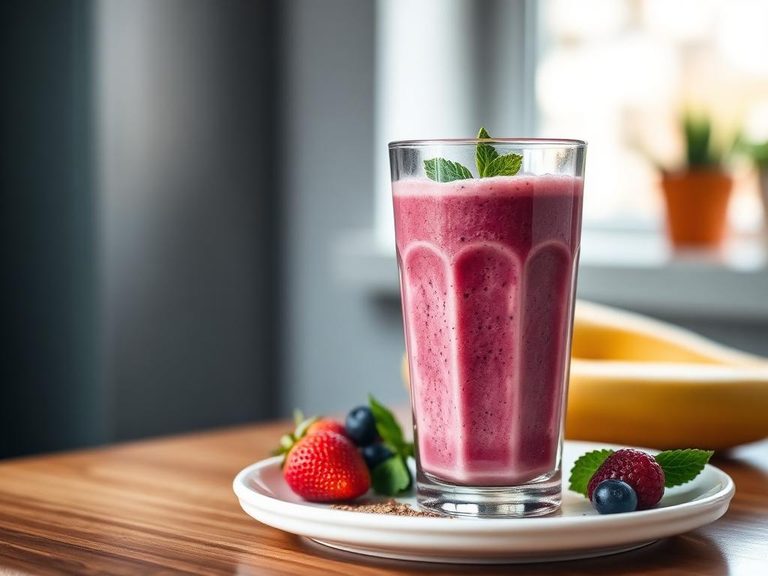 Blended into a post-workout smoothie