Blended into plain whole-milk yogurt
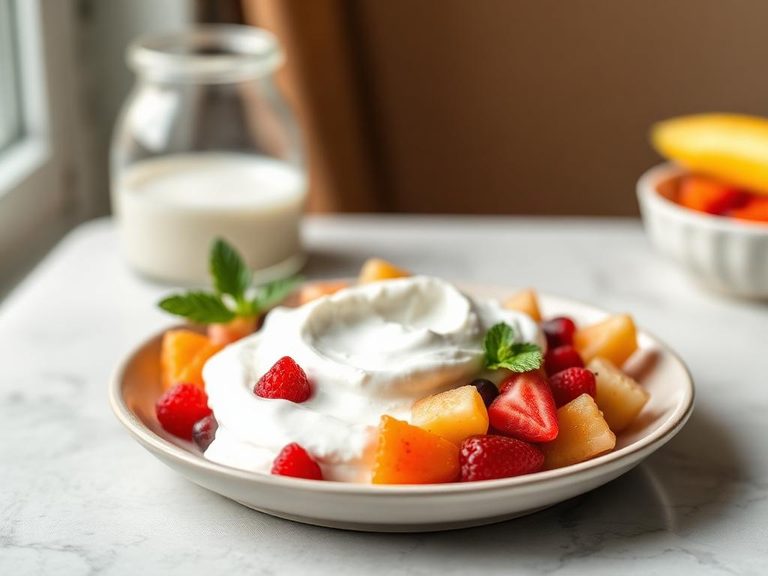
This is a simple, nutritious dish made by blending fruits, vegetables, or other ingredients directly into plain whole-milk yogurt. It is a versatile preparation common in many cuisines, from Indian raita to modern smoothie bowls, where the yogurt serves as a creamy, probiotic-rich base. The final texture and flavor depend entirely on what is blended in.
🍽️ Nutrition at a glance
It is a balanced food, typically providing a good source of protein and fat from the yogurt, with carbohydrates coming from the blended ingredients. Key nutrients include calcium, probiotics, and potassium, with a calorie range of 150-300 kcal per serving depending on additions.
Nutrition breakdown
| Calories | 220 kcal |
| Protein | 8 g |
| Carbs | 24 g |
| Fat | 10 g |
| Fiber | 3 g |
| Sugar | 18 g |
| Sodium | 95 mg |
| Calcium | 275 mg |
| Potassium | 380 mg |
| Vitamin B12 | 0.9 µg |
| Phosphorus | 200 mg |
| Riboflavin (B2) | 0.3 mg |
| Magnesium | 30 mg |
| Vitamin A | 75 µg |
| Zinc | 1.2 mg |
Per 1 cup (240 g) · estimated, varies by recipe
💡 What's interesting
Culturally, this method is a cornerstone of many traditional side dishes and drinks worldwide, valued for its cooling properties and digestive benefits. Nutritionally, blending ingredients into yogurt can enhance the bioavailability of certain nutrients and create a satisfying, gut-healthy meal or snack.
🍽️ Related dishes
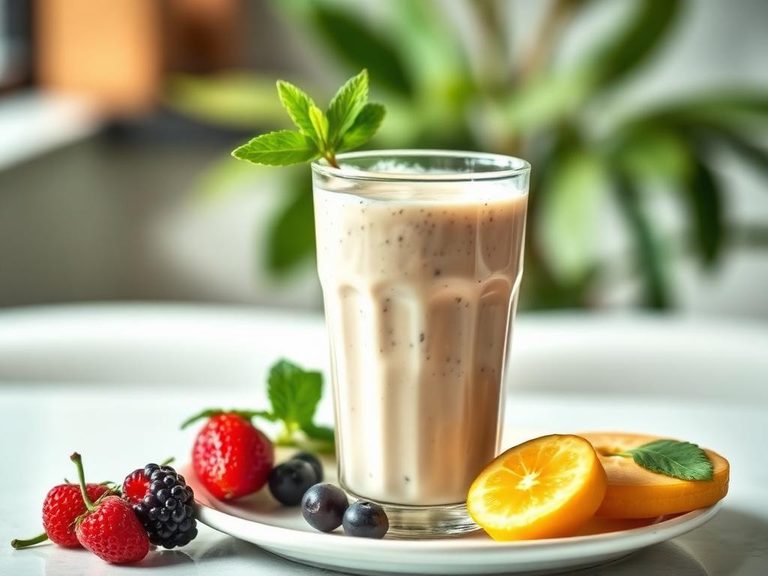 Blended into a smoothie with milk or yogurt
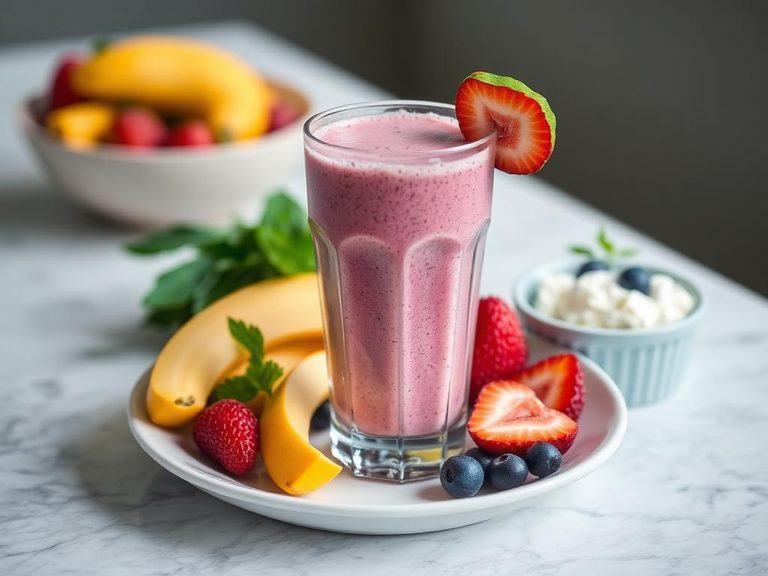 Blended into a smoothie with other fruits and yogurt
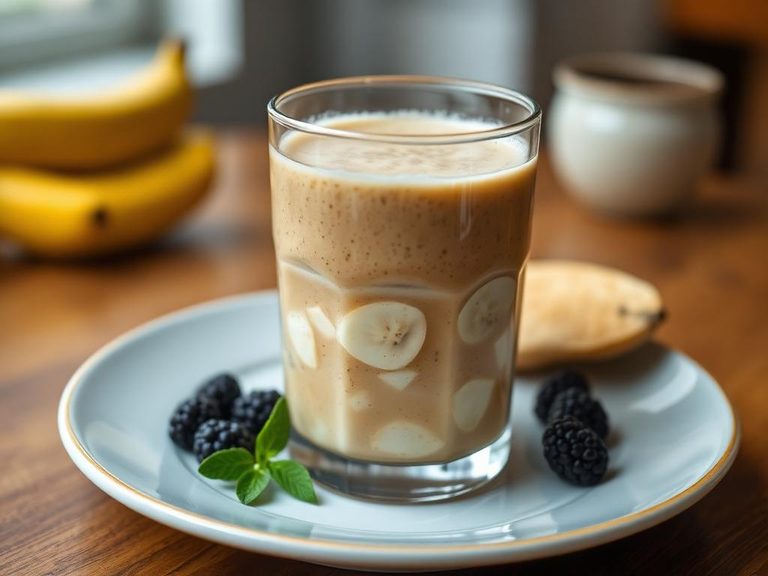 Blended into a smoothie with banana and yogurt
 Blended into milkshakes for a malted flavor
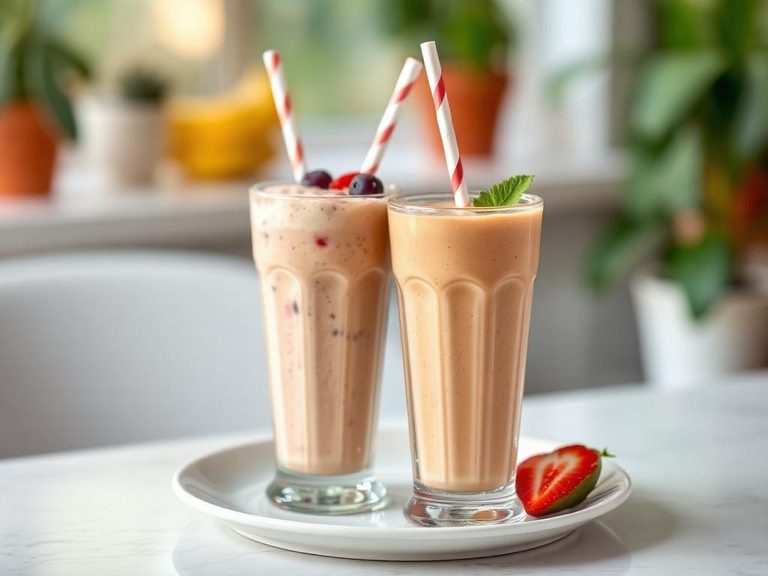 Blended into milkshakes or smoothies
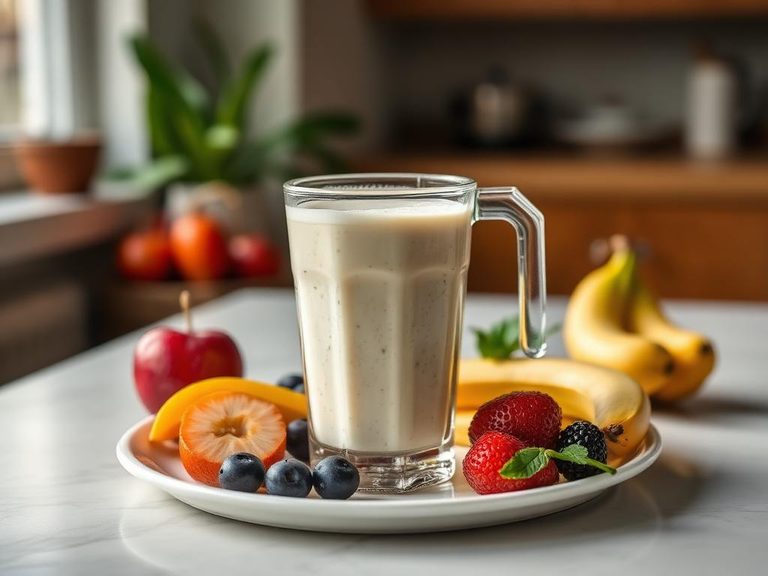 Blended into a smoothie with milk or formula
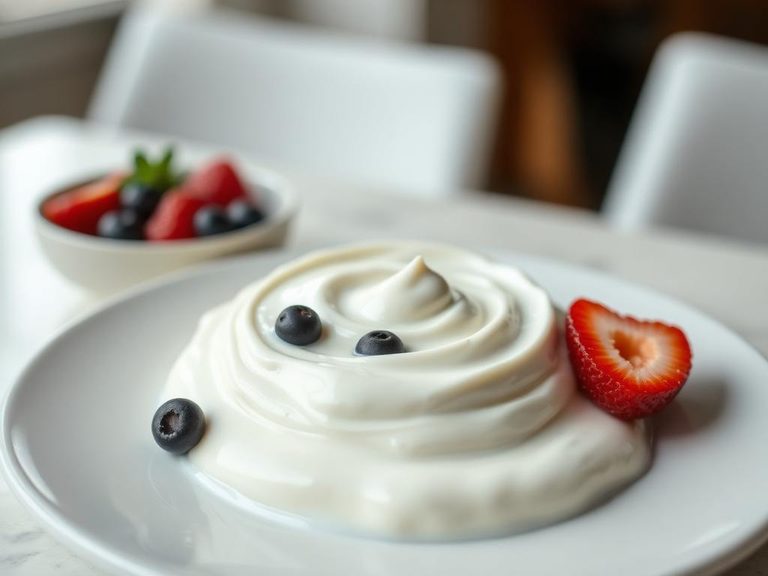 Swirled into plain whole-milk yogurt
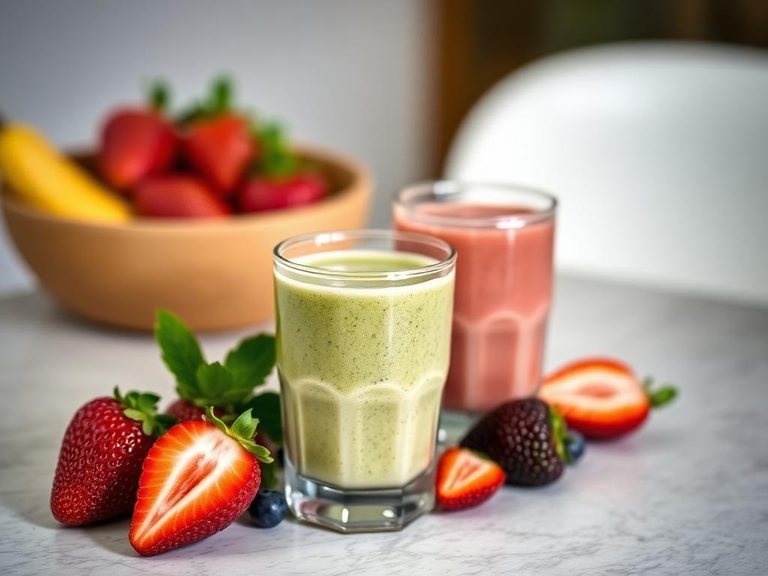 Blended into fruit smoothies for older toddlers