Blended into a smoothie with other fruits and yogurt
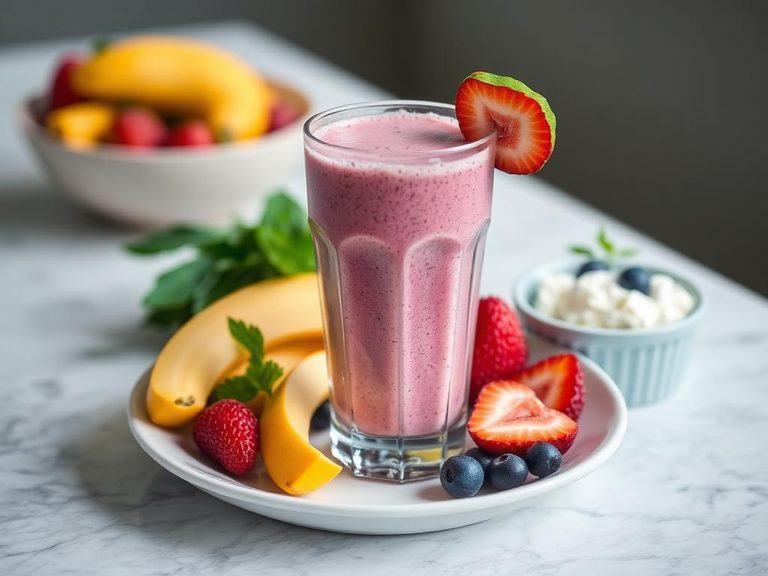
This is a blended fruit smoothie, a popular beverage made by combining various fruits with yogurt and sometimes a liquid base like milk or juice. It is a versatile dish found in health-conscious kitchens and cafes worldwide, known for its creamy texture and refreshing taste. The combination of fruit and yogurt creates a balanced, nutrient-dense drink that can be customized to personal preference.
🍽️ Nutrition at a glance
This smoothie is typically high in carbohydrates from natural fruit sugars, with a moderate amount of protein and fat from the yogurt. It provides essential nutrients like potassium, vitamin C, and calcium, and a standard serving usually contains around 200-300 calories.
Nutrition breakdown
| Calories | 250 kcal |
| Protein | 8 g |
| Carbs | 40 g |
| Fat | 5 g |
| Fiber | 4 g |
| Sugar | 30 g |
| Sodium | 80 mg |
| Potassium | 400 mg |
| Vitamin C | 30 mg |
| Calcium | 150 mg |
| Vitamin A | 50 mcg |
| Magnesium | 30 mg |
| Phosphorus | 120 mg |
| Vitamin B6 | 0.3 mg |
| Iron | 1 mg |
Per 1 cup (240 g) · estimated, varies by recipe
💡 What's interesting
Smoothies have become a global health trend, but their origins trace back to ancient cultures that blended fruits and grains. Nutritionally, the combination of fruit and yogurt can enhance the absorption of fat-soluble vitamins and provide a good source of probiotics for gut health.
🍽️ Related dishes
 Strudel with cherries or other fruits
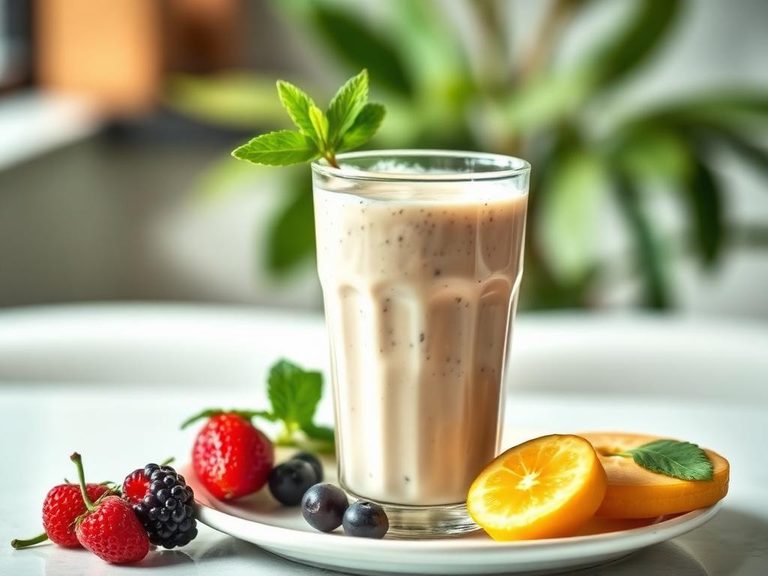 Blended into a smoothie with milk or yogurt
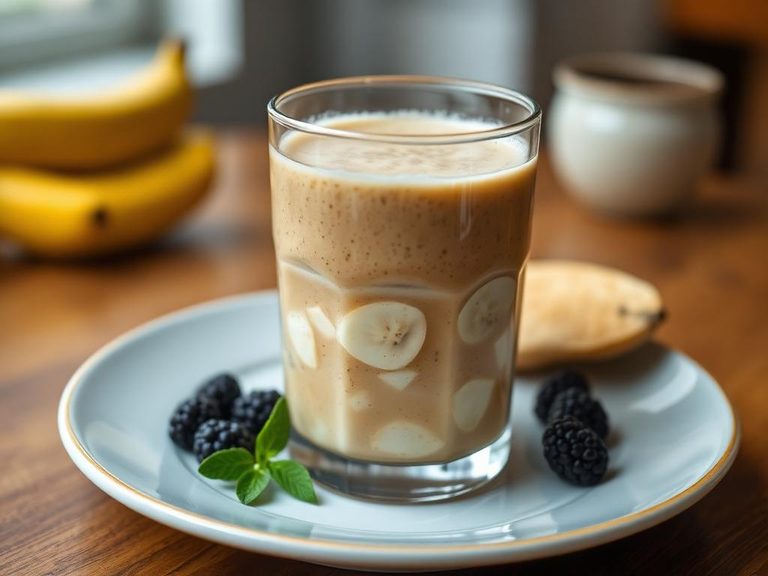 Blended into a smoothie with banana and yogurt
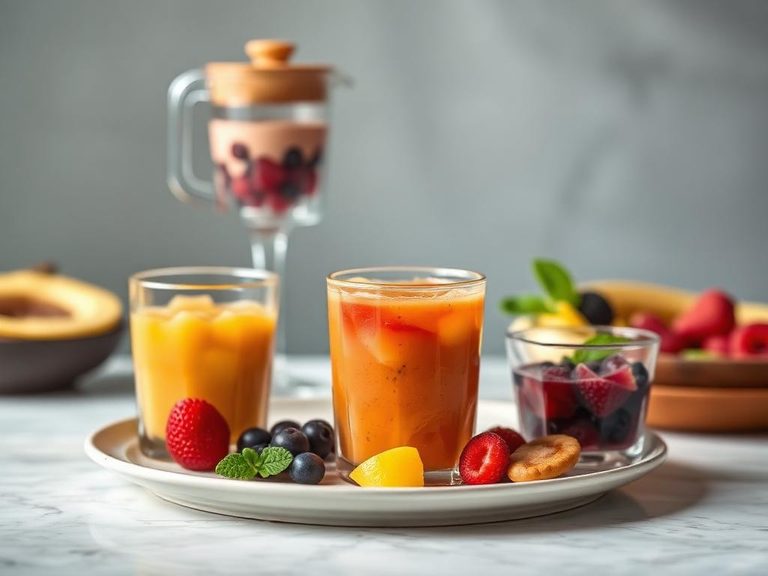 Blended with other fruit purées for variety
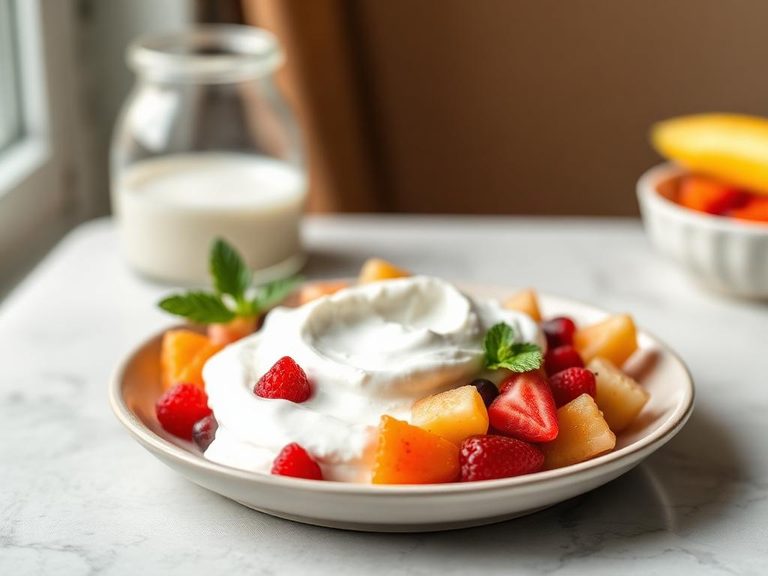 Blended into plain whole-milk yogurt
 Mixed into other traditional meat preparations
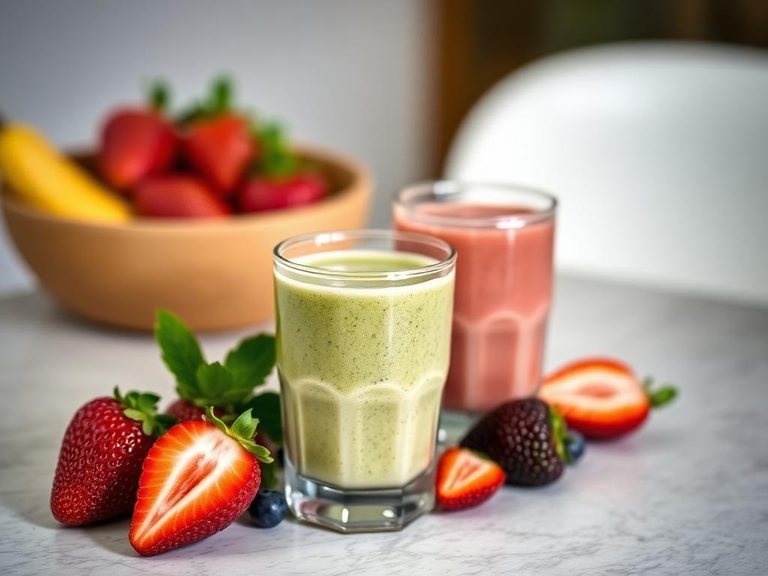 Blended into fruit smoothies for older toddlers
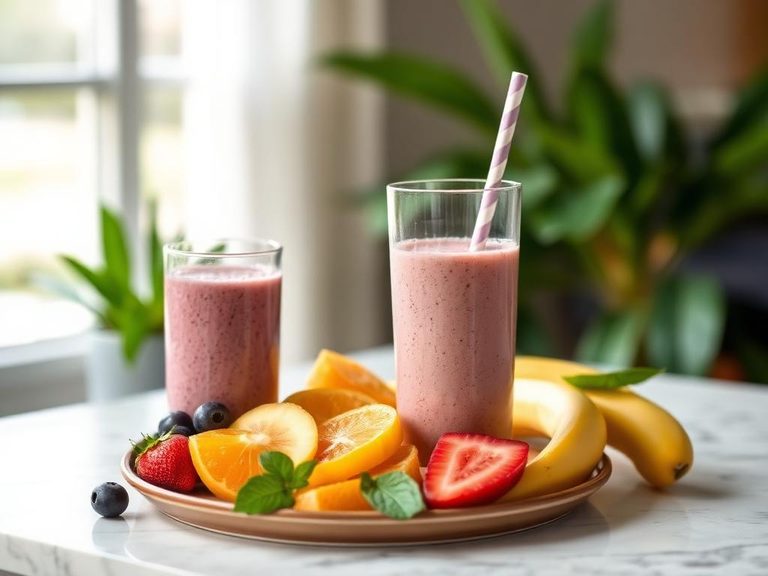 Blended into smoothies for added thickness and sweetness