

Sushi Train
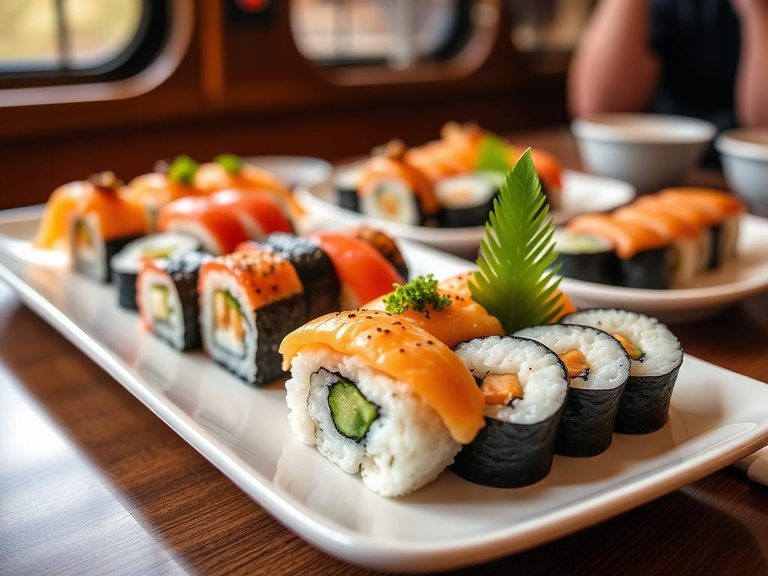
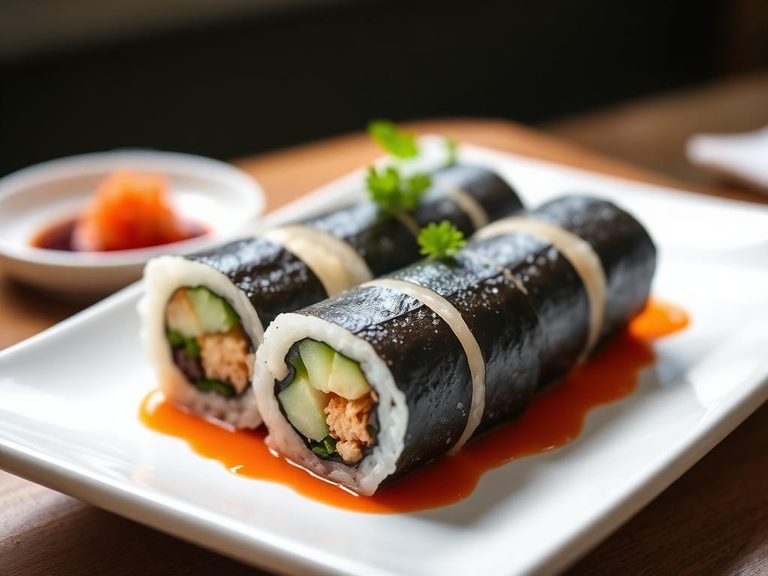
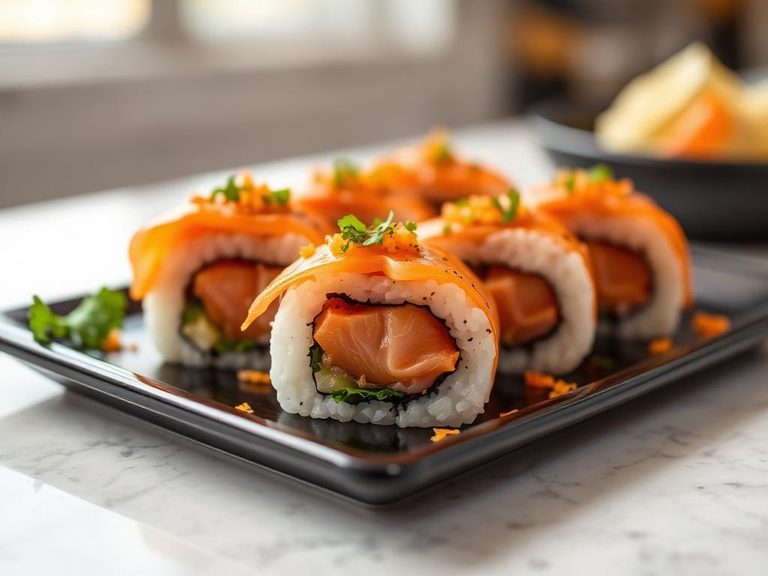
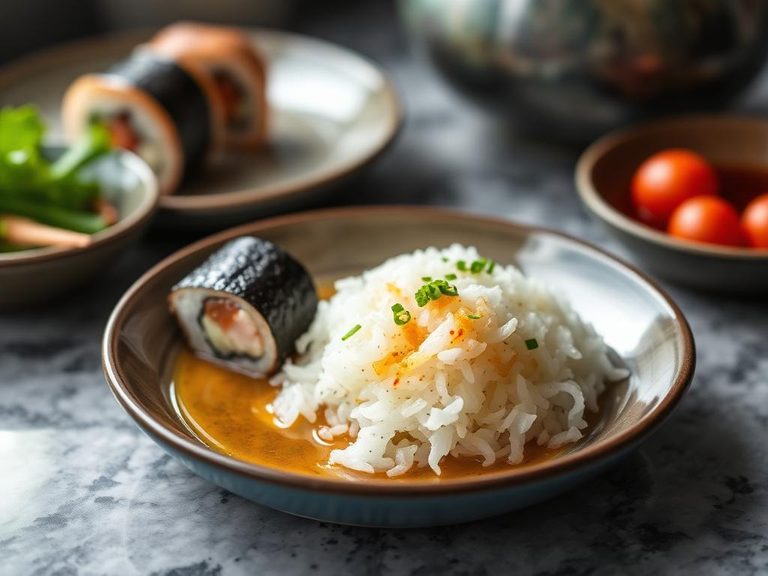
Sushi Train, or Kaiten-zushi, is a fun and interactive Japanese dining experience where small plates of sushi travel on a conveyor belt past seated customers. It typically features bite-sized nigiri (fish over rice) and maki rolls with a variety of fresh seafood, vegetables, and sometimes egg or tofu. Originating in Osaka in the 1950s, it's now a popular and affordable way to enjoy sushi worldwide.
🍽️ Nutrition at a glance
A typical serving (one or two pieces) is moderate in carbohydrates from the sushi rice and provides a good source of protein from the fish or seafood. It's generally lower in fat than many Western meals, with key nutrients like omega-3 fatty acids (from fish like salmon), vitamins, and minerals. A full meal of 10-12 pieces might range from 500 to 800 calories.
Nutrition breakdown
| Calories | 350 kcal |
| Protein | 18 g |
| Carbs | 50 g |
| Fat | 8 g |
| Fiber | 2 g |
| Sugar | 6 g |
| Sodium | 900 mg |
| Potassium | 320 mg |
| Selenium | 25 mcg |
| Niacin (B3) | 4.5 mg |
| Vitamin B12 | 1.8 mcg |
| Phosphorus | 210 mg |
| Magnesium | 35 mg |
| Manganese | 0.8 mg |
| Copper | 0.3 mg |
Per 8 pieces (approx. 200 g) · estimated, varies by recipe
💡 What's interesting
Kaiten-zushi is culturally fascinating as it democratized sushi, transforming it from a formal, chef-served meal into a casual, family-friendly, and budget-conscious outing. Nutritionally, the small portion sizes encourage mindful eating and variety, allowing you to sample many different types of fish and ingredients in one sitting.
🍽️ Related dishes
AI estimate may be inaccurate · Terms