

Sushi platter
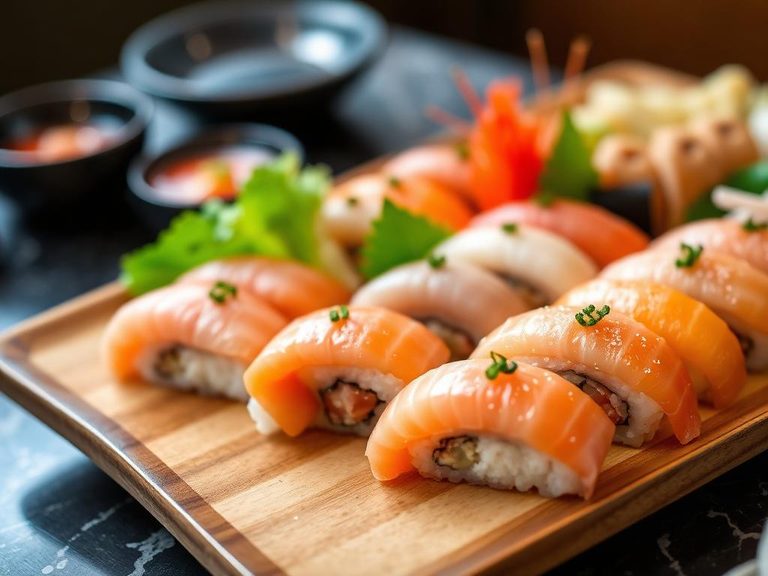
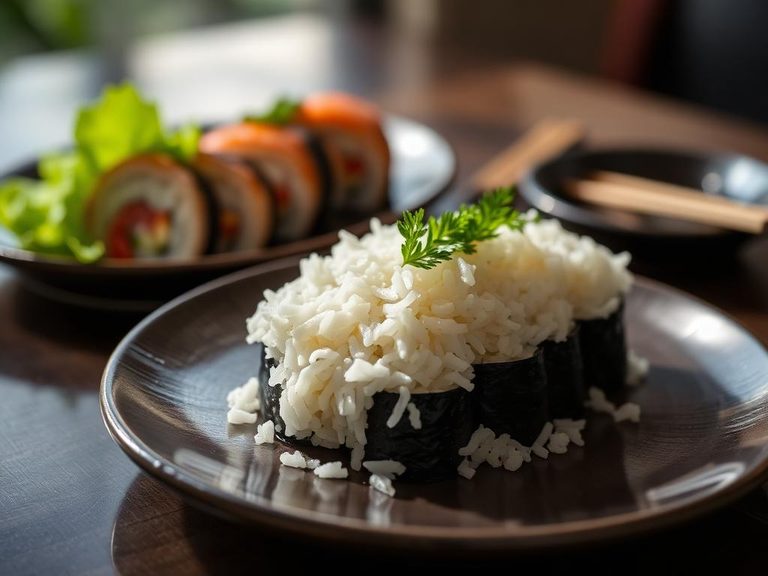
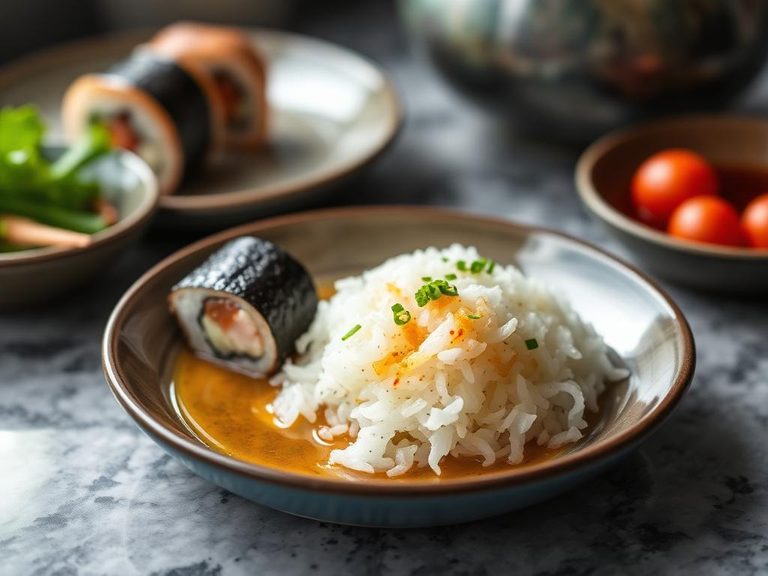
A sushi platter, or sushi moriawase, is a beautifully arranged assortment of various sushi types, typically including nigiri (hand-pressed rice topped with fish), maki (rolled sushi), and sometimes sashimi. It originates from Japan and features a variety of fresh ingredients like tuna, salmon, shrimp, and vegetables, all served with rice, seaweed, and condiments like wasabi and soy sauce.
🍽️ Nutrition at a glance
Sushi platters are generally balanced, offering a good mix of carbohydrates from the rice, protein from the fish, and healthy fats from fatty fish like salmon. A typical serving can range from 300 to 600 calories, depending on the types and quantities of sushi included.
Nutrition breakdown
| Calories | 500 kcal |
| Protein | 25 g |
| Carbs | 70 g |
| Fat | 12 g |
| Fiber | 3 g |
| Sugar | 8 g |
| Sodium | 1200 mg |
| Potassium | 400 mg |
| Phosphorus | 300 mg |
| Vitamin B12 | 4.5 µg |
| Selenium | 45 µg |
| Niacin (B3) | 8 mg |
| Vitamin D | 2 µg |
| Iron | 3 mg |
| Magnesium | 60 mg |
Per 1 platter (approx. 300-400 g) · estimated, varies by recipe
💡 What's interesting
Culturally, sushi platters are often shared during celebrations or gatherings, symbolizing harmony and abundance. Nutritionally, they provide omega-3 fatty acids from fish, which are beneficial for heart health, and the fermented elements like soy sauce can aid digestion.
🍽️ Related dishes



AI estimate may be inaccurate · Terms