

Stuffed Pasta Filling
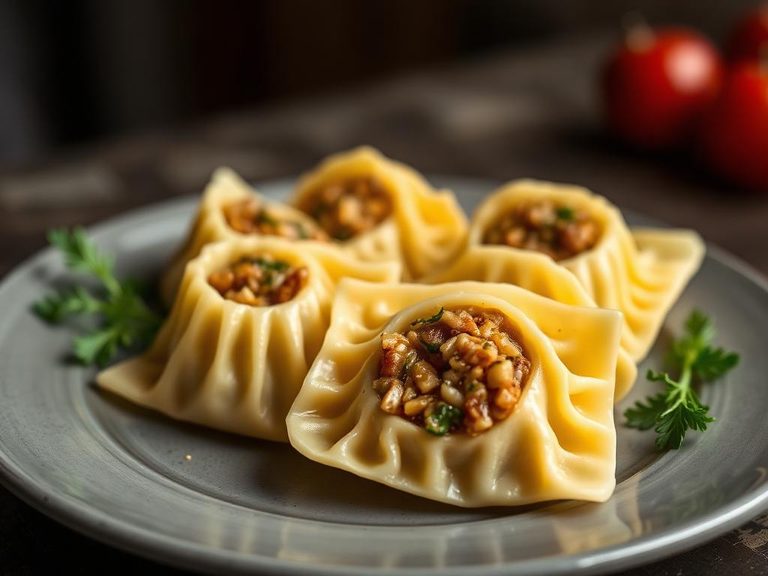
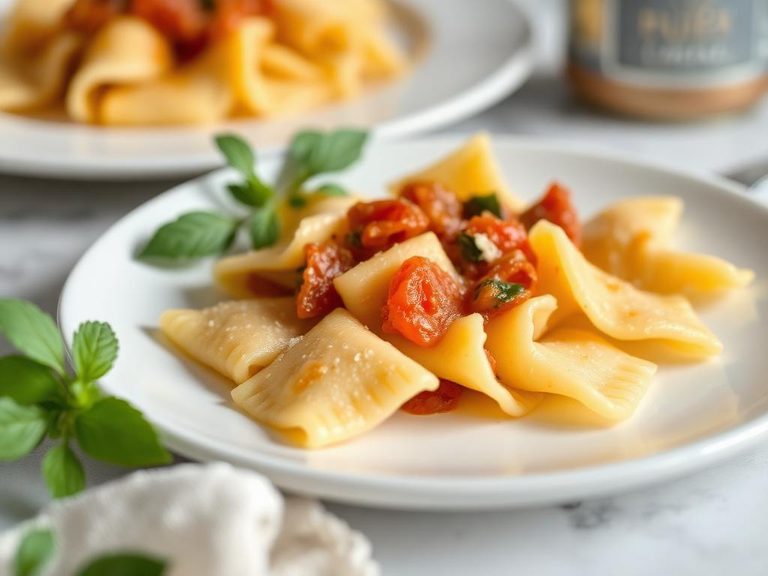
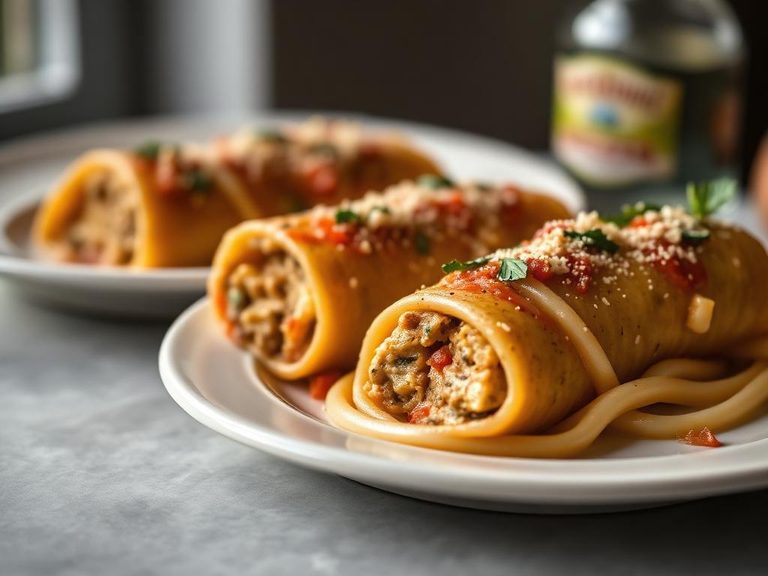
Stuffed pasta filling, as seen in dishes like Polish pierogi, refers to a savory or sweet mixture enclosed in a thin dough wrapper. Common fillings include mashed potatoes, sauerkraut, ground meat, or farmer's cheese, and the dish originates from Central and Eastern Europe. These dumplings are typically boiled and then often pan-fried in butter, making them a hearty and versatile comfort food.
🍳 View the full Stuffed Pasta Filling recipe →
🍽️ Nutrition at a glance
This dish is generally high in carbohydrates from the dough, with moderate fat from butter or frying, and protein depending on the filling (like meat or cheese). A typical serving of 3-4 pierogi provides around 300-400 calories, along with key nutrients like iron from the flour and potassium from potato fillings.
Nutrition breakdown
| Calories | 350 kcal |
| Protein | 12 g |
| Carbs | 45 g |
| Fat | 14 g |
| Fiber | 3 g |
| Sugar | 4 g |
| Sodium | 680 mg |
| Iron | 2.5 mg |
| Calcium | 80 mg |
| Potassium | 280 mg |
| Vitamin B1 (Thiamine) | 0.3 mg |
| Vitamin B2 (Riboflavin) | 0.2 mg |
| Niacin (B3) | 3.5 mg |
| Folate | 60 mcg |
| Phosphorus | 150 mg |
Per 1 cup (240 g) · estimated, varies by recipe
💡 What's interesting
Culturally, pierogi are a symbol of family and tradition in Polish cuisine, often made together during holidays. Nutritionally, their design allows for a balanced meal in one package, combining energy-dense carbs with protein and vegetables in a portable form.
🍽️ Related dishes
AI estimate may be inaccurate · Terms