

Sang-gwa
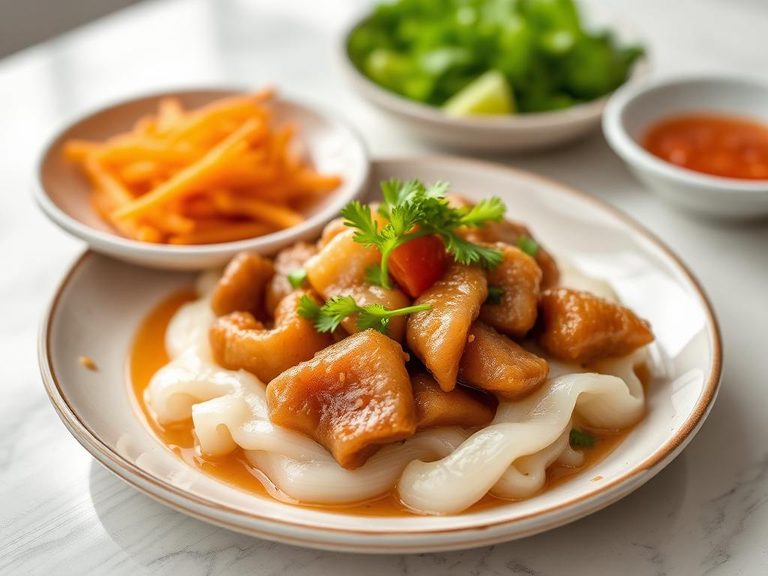
Sang-gwa (상과) is a traditional Korean fruit platter, typically served as a refreshing dessert or snack. It consists of a variety of seasonal fresh fruits, such as melon, pear, watermelon, or persimmon, artfully arranged on a plate. This simple yet elegant dish is a staple in Korean hospitality, often offered to guests after a meal.
🍽️ Nutrition at a glance
Sang-gwa is naturally low in fat and protein, with its primary nutritional contribution coming from carbohydrates in the form of natural sugars and dietary fiber. It is an excellent source of vitamins (like Vitamin C and A), minerals (like potassium), and hydration, with a typical serving containing roughly 80-120 calories depending on the fruit selection.
Nutrition breakdown
| Calories | 95 kcal |
| Protein | 1.5 g |
| Carbs | 23 g |
| Fat | 0.3 g |
| Fiber | 3 g |
| Sugar | 18 g |
| Sodium | 5 mg |
| Vitamin C | 30 mg |
| Potassium | 300 mg |
| Vitamin A | 120 mcg |
| Folate | 25 mcg |
| Manganese | 0.3 mg |
| Vitamin K | 8 mcg |
Per 1 plate (200 g), mixed seasonal fruits · estimated, varies by recipe
💡 What's interesting
Culturally, offering a Sang-gwa platter is a fundamental gesture of Korean hospitality (jeong), symbolizing welcome and care for guests. Nutritionally, its unique value lies in providing a wide spectrum of phytonutrients and antioxidants from the diverse mix of colorful, seasonal fruits.
🍽️ Related dishes





AI estimate may be inaccurate · Terms