

Salmonberry syrup
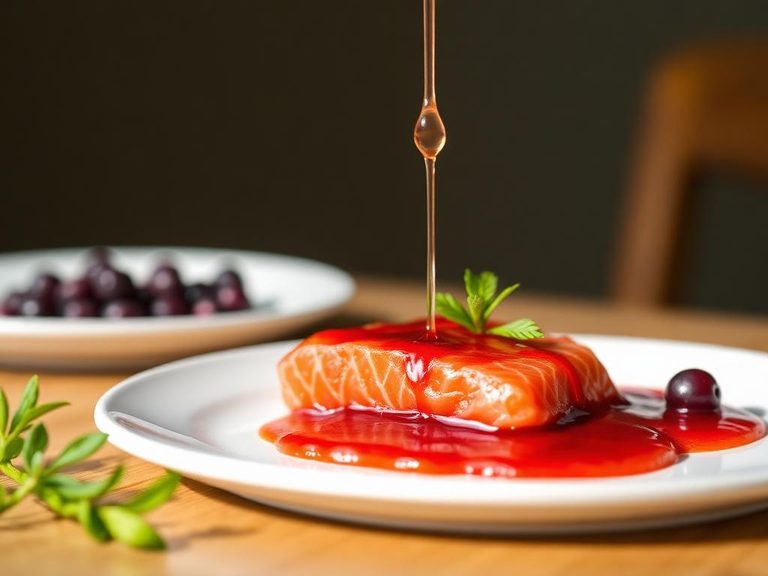
Salmonberry syrup is a traditional condiment made from the bright orange-red berries of the salmonberry plant (Rubus spectabilis). The berries are cooked down with sugar and water to create a sweet, tart, and slightly floral syrup. It originates from the Pacific Northwest of North America, where it has been a staple food for Indigenous peoples for centuries.
🍽️ Nutrition at a glance
This syrup is primarily a source of carbohydrates, coming almost entirely from natural fruit sugars and added sweeteners. It provides a quick energy boost and contains notable amounts of Vitamin C and manganese, with a typical serving containing around 100-120 calories.
Nutrition breakdown
| Calories | 105 kcal |
| Protein | 0.1 g |
| Carbs | 26 g |
| Fat | 0.1 g |
| Fiber | 0.5 g |
| Sugar | 25 g |
| Sodium | 2 mg |
| Vitamin C | 8 mg |
| Manganese | 0.3 mg |
| Potassium | 55 mg |
| Vitamin K | 2 µg |
Per 2 tablespoons (40 g) · estimated, varies by recipe
💡 What's interesting
Salmonberries are a culturally significant food for many coastal First Nations and Native American tribes, often eaten fresh, dried, or preserved. Nutritionally, the berries themselves are a good source of antioxidants and Vitamin C, which are partially retained in the syrup.
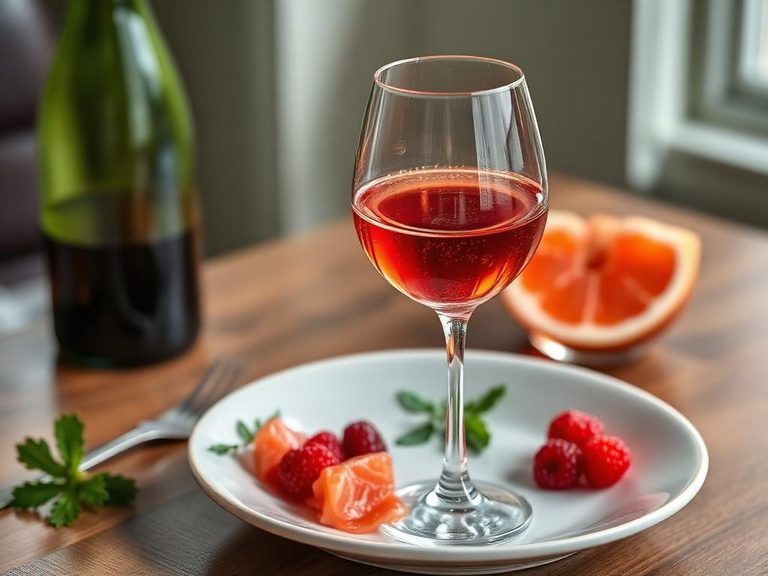
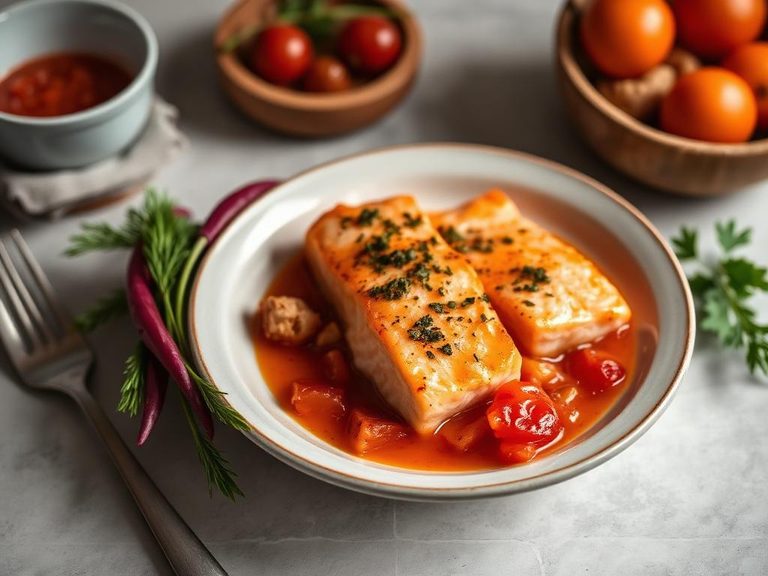
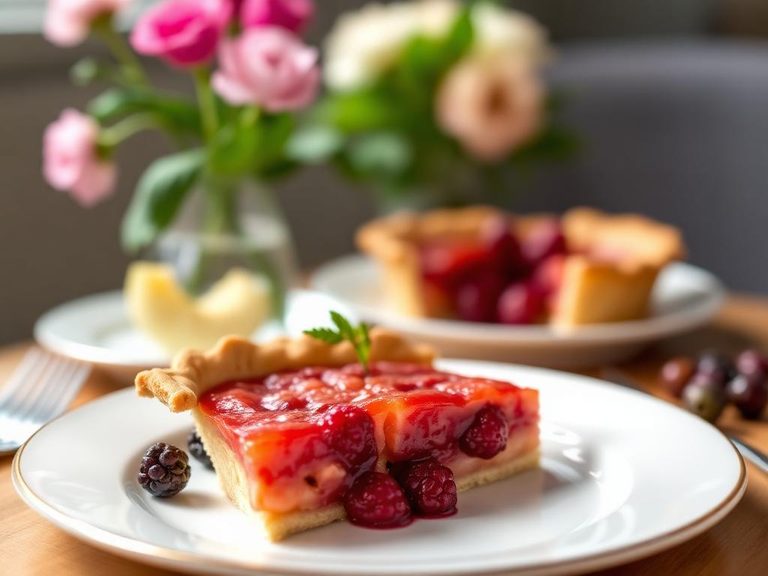
🍽️ Related dishes
AI estimate may be inaccurate · Terms