Roselle wine or vinegar
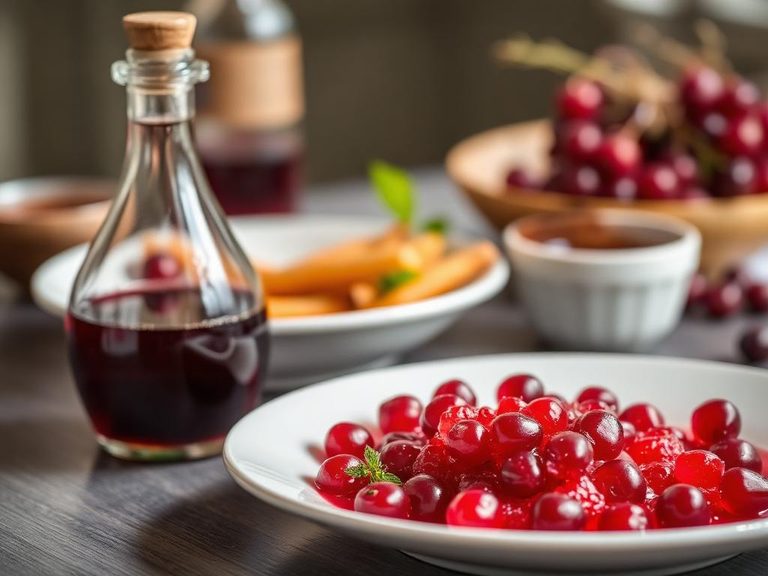
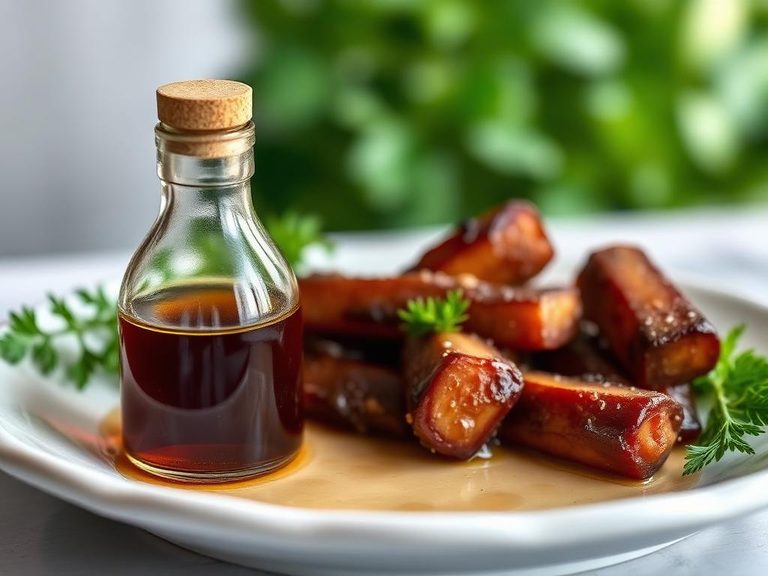
Roselle wine or vinegar is a tangy, ruby-red beverage or condiment made from the calyces of the Roselle plant (Hibiscus sabdariffa). The calyces are steeped in water, often with sugar, and then fermented to produce either a floral, tart wine or a sharp, acidic vinegar. It is a traditional preparation enjoyed across tropical regions, particularly in Southeast Asia, the Caribbean, and parts of Africa.
🍽️ Nutrition at a glance
Roselle wine or vinegar is very low in calories, fat, and protein, with its primary contribution being carbohydrates from any residual sugars. It is a notable source of antioxidants, particularly anthocyanins, and provides a small amount of vitamin C and minerals like iron.
Nutrition breakdown
| Calories | 50 kcal |
| Protein | 0.5 g |
| Carbs | 12 g |
| Fat | 0 g |
| Fiber | 0 g |
| Sugar | 10 g |
| Sodium | 10 mg |
| Vitamin C | 15 mg |
| Iron | 1.5 mg |
| Potassium | 100 mg |
| Magnesium | 10 mg |
| Manganese | 0.2 mg |
| Calcium | 20 mg |
Per 1 cup (240 g) of unsweetened roselle wine · estimated, varies by recipe
💡 What's interesting
Culturally, it's known by many names like 'sorrel' in the Caribbean and 'bunga kembang' in Southeast Asia, often associated with festive drinks. Nutritionally, its deep red color signals a high concentration of powerful antioxidants that may support heart health.