Longan wine or vinegar
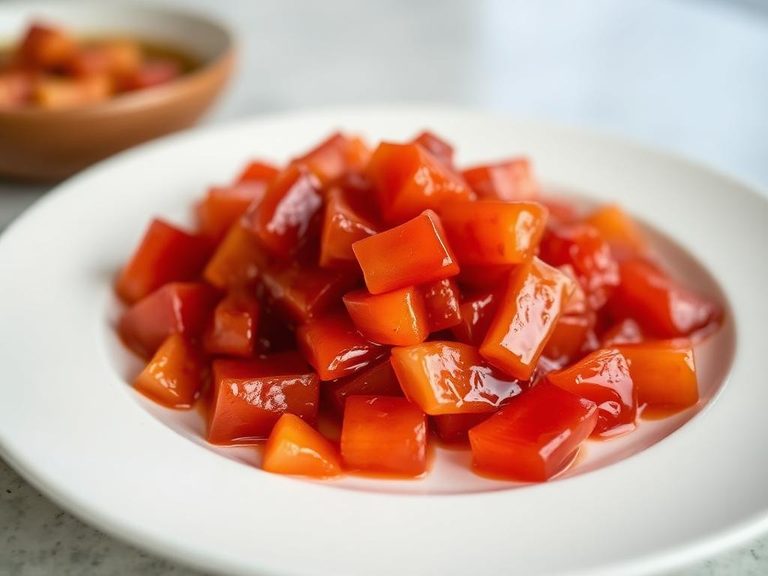
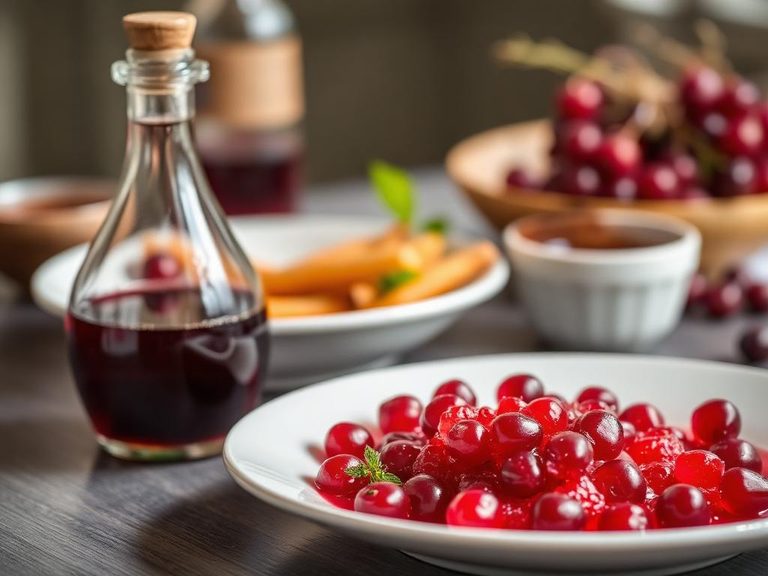
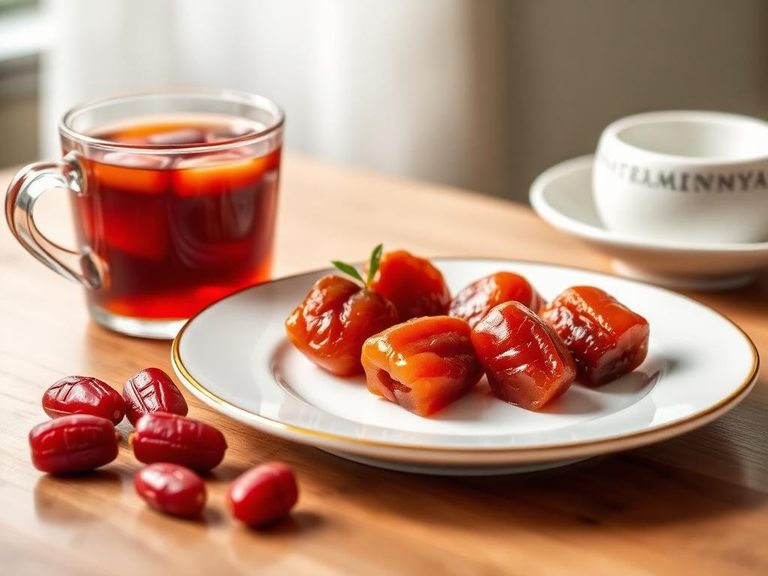
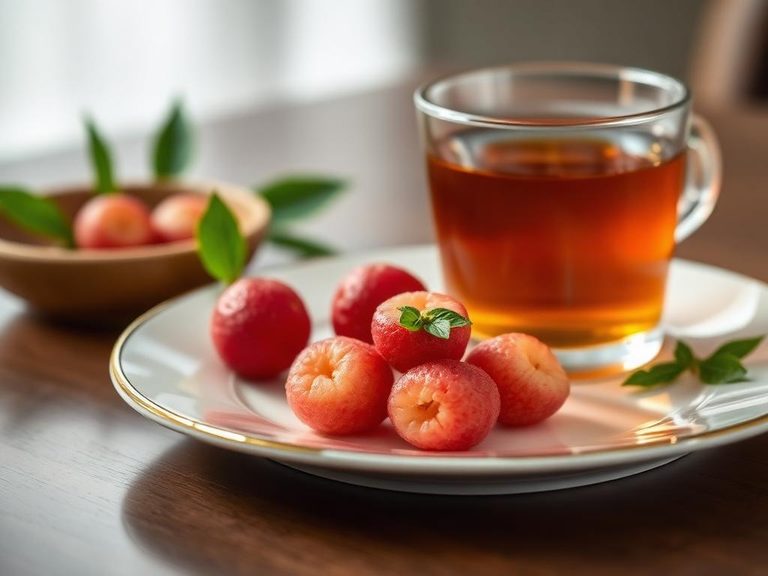
Longan wine and vinegar are fermented beverages derived from the sweet, aromatic longan fruit, which is native to Southeast Asia and Southern China. Longan wine is typically made by fermenting longan flesh and juice with sugar and yeast, while vinegar is produced through a secondary fermentation process. Both are popular in Chinese cuisine and traditional wellness practices.
🍽️ Nutrition at a glance
These beverages are primarily a source of carbohydrates, mainly from natural fruit sugars and residual sugars from fermentation, with negligible fat and protein. They provide some B vitamins and minerals like potassium, and a typical serving contains roughly 80-120 calories.
Nutrition breakdown
| Calories | 100 kcal |
| Protein | 0.2 g |
| Carbs | 25 g |
| Fat | 0 g |
| Fiber | 0.5 g |
| Sugar | 20 g |
| Sodium | 5 mg |
| Potassium | 150 mg |
| Vitamin C | 4 mg |
| Riboflavin (B2) | 0.02 mg |
| Niacin (B3) | 0.3 mg |
| Magnesium | 10 mg |
| Manganese | 0.1 mg |
| Iron | 0.3 mg |
| Phosphorus | 20 mg |
Per 1 cup (240 g) · estimated, varies by recipe
💡 What's interesting
In traditional Chinese culture, longan wine is often associated with promoting relaxation and is sometimes used in cooking to add a floral, sweet depth to sauces or marinades. Nutritionally, the fermentation process can create beneficial organic acids and may enhance the bioavailability of certain antioxidants from the fruit.