Candied roselle
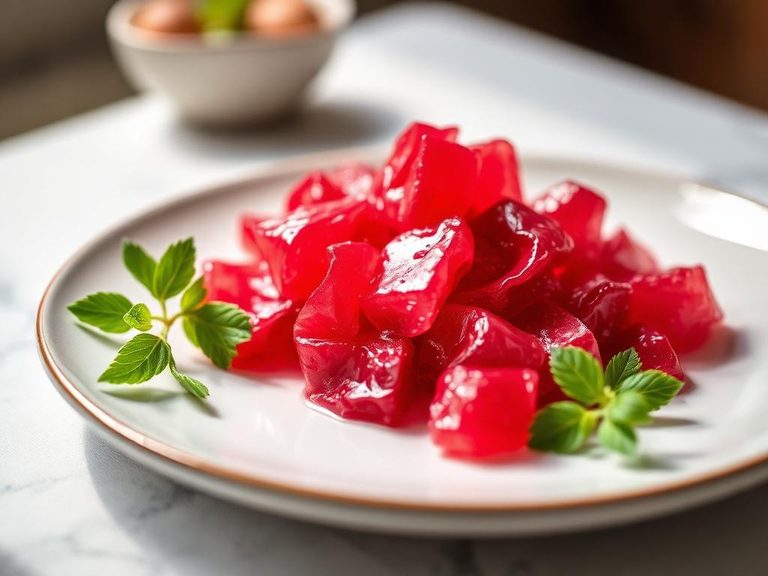
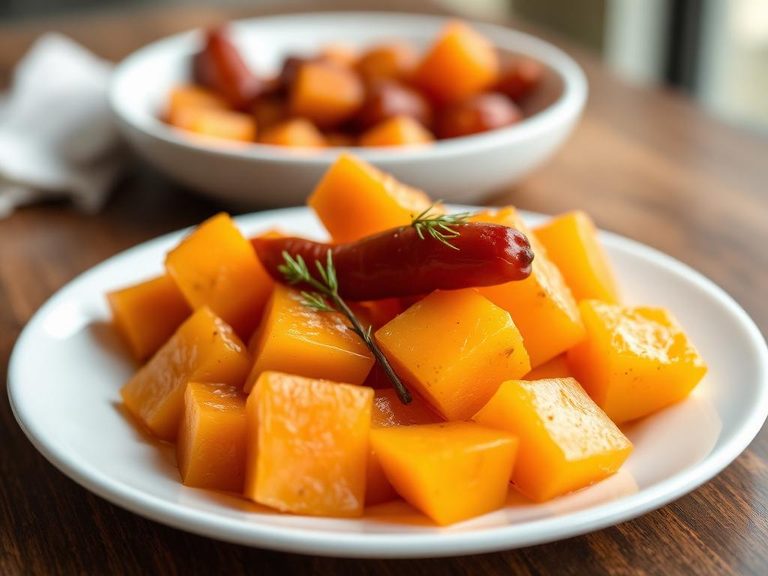
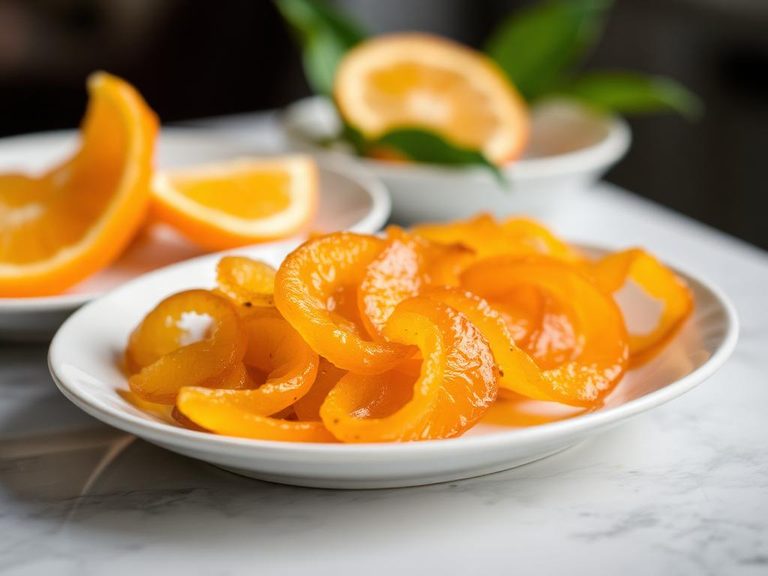
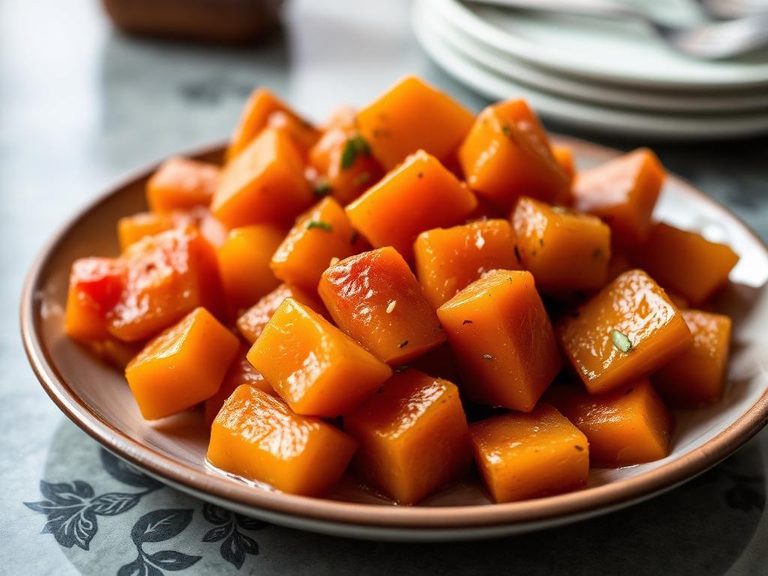
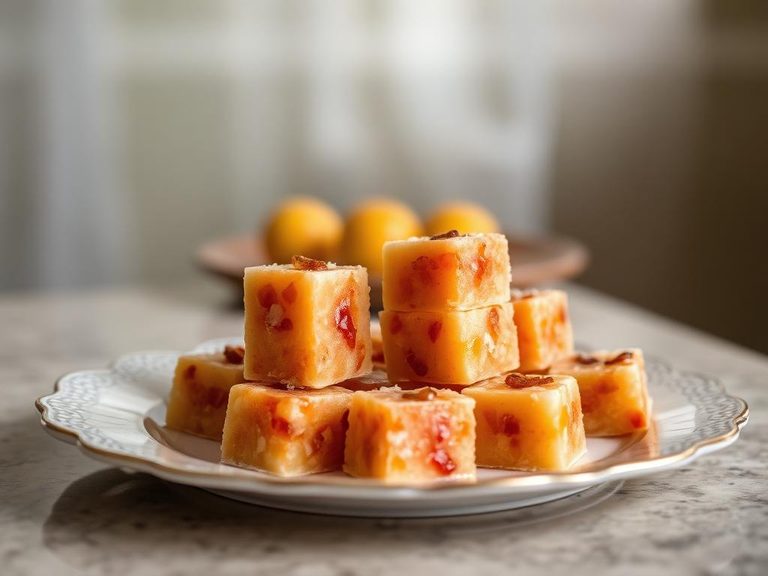
Candied roselle is a sweet and tangy confection made from the fleshy calyces of the roselle plant (Hibiscus sabdariffa), which are boiled in sugar syrup until tender and then often coated in sugar. It is a popular traditional treat and snack in many tropical and subtropical regions, particularly across Southeast Asia, the Caribbean, and parts of Africa and South America.
🍽️ Nutrition at a glance
This dish is very high in carbohydrates, primarily from added sugar, with negligible fat and protein. It provides a quick energy boost and is a source of antioxidants like vitamin C and anthocyanins from the roselle itself, though the sugar content significantly dilutes its nutritional density.
Nutrition breakdown
| Calories | 220 kcal |
| Protein | 0.5 g |
| Carbs | 55 g |
| Fat | 0 g |
| Fiber | 2 g |
| Sugar | 50 g |
| Sodium | 10 mg |
| Vitamin C | 15 mg |
| Potassium | 120 mg |
| Iron | 0.8 mg |
| Calcium | 25 mg |
| Magnesium | 10 mg |
| Manganese | 0.3 mg |
| Vitamin A | 15 mcg |
| Antioxidants (Anthocyanins) | Notable |
Per 1/2 cup (about 80 g) · estimated, varies by recipe
💡 What's interesting
Culturally, candied roselle is often associated with festive occasions and is a common homemade gift. Nutritionally, the roselle plant is known for its vibrant color and tart flavor, which comes from organic acids, making the candied version a unique balance of sweet and sour.