

Rice Gruel
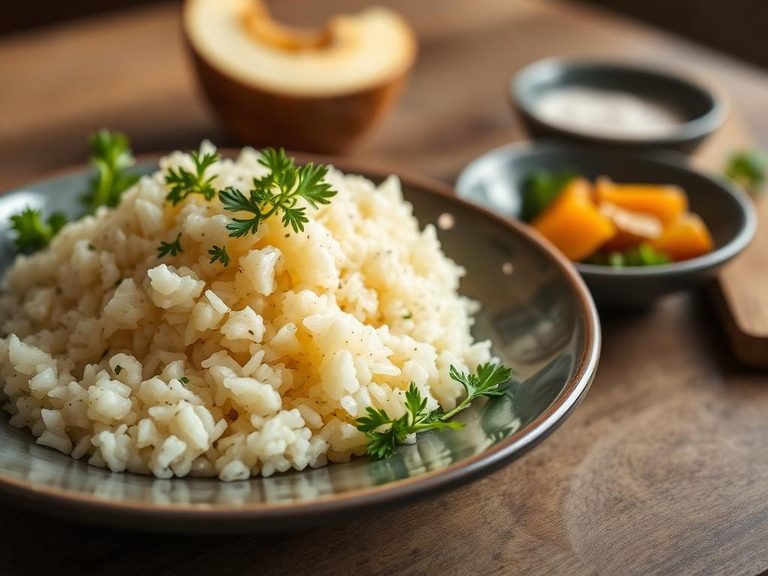
Rice gruel, also known as congee or jook, is a simple, comforting dish made by boiling rice in a large amount of water or broth until it breaks down into a thick, creamy porridge. It is a staple breakfast or light meal across many Asian cultures, particularly in China, where it is often served with savory toppings like pickled vegetables, fried dough, or a century egg. Its mild flavor and soft texture make it a universal comfort food, especially for those feeling unwell.
🍽️ Nutrition at a glance
Rice gruel is primarily a high-carbohydrate food, providing quick and easily digestible energy. It is low in fat and protein unless enriched with toppings, and a plain serving offers key nutrients like manganese and selenium, with a calorie ballpark of 150-200 kcal per cup.
Nutrition breakdown
| Calories | 180 kcal |
| Protein | 3.5 g |
| Carbs | 40 g |
| Fat | 0.5 g |
| Fiber | 0.8 g |
| Sugar | 0.2 g |
| Sodium | 10 mg |
| Manganese | 0.6 mg |
| Selenium | 11 mcg |
| Thiamin (B1) | 0.2 mg |
| Niacin (B3) | 2.3 mg |
| Iron | 1.8 mg |
| Magnesium | 12 mg |
| Phosphorus | 48 mg |
| Zinc | 0.6 mg |
Per 1 cup (240 g) · estimated, varies by recipe
💡 What's interesting
Culturally, rice gruel is deeply embedded in East Asian traditions as a healing food, often the first solid given to infants and the go-to meal for the sick or elderly due to its gentle nature. Nutritionally, the long cooking process makes the starches highly digestible, which is why it's considered a restorative food in many folk medicines.
🍽️ Related dishes
AI estimate may be inaccurate · Terms