Porridge or hot cereal (cooked)
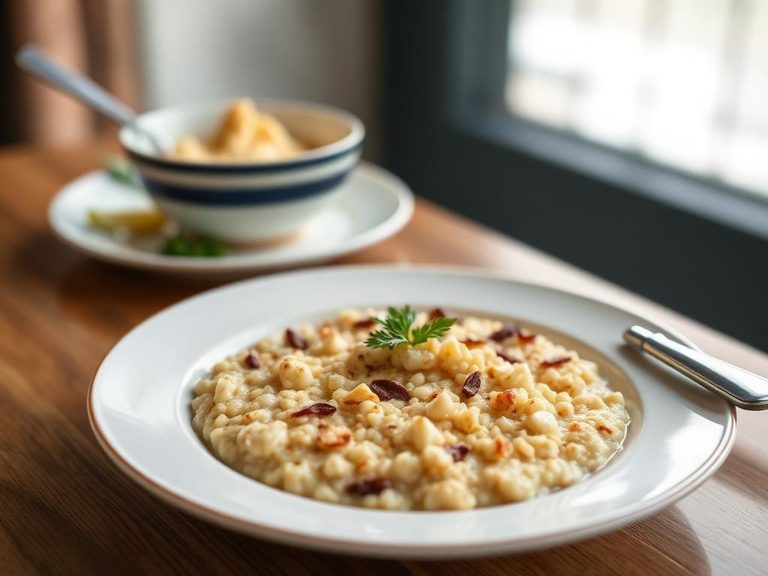
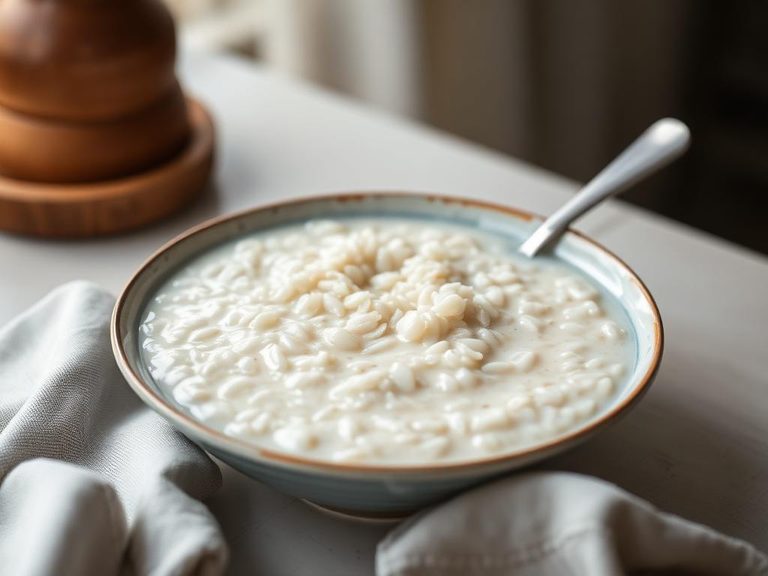
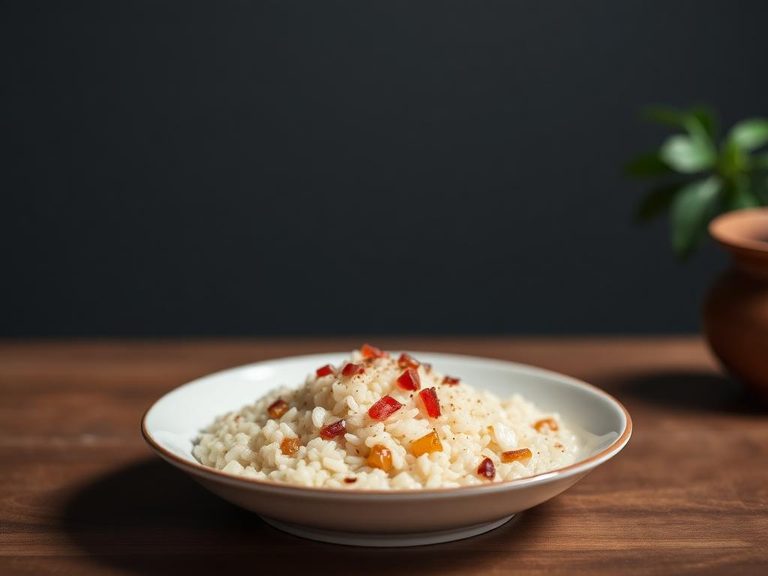
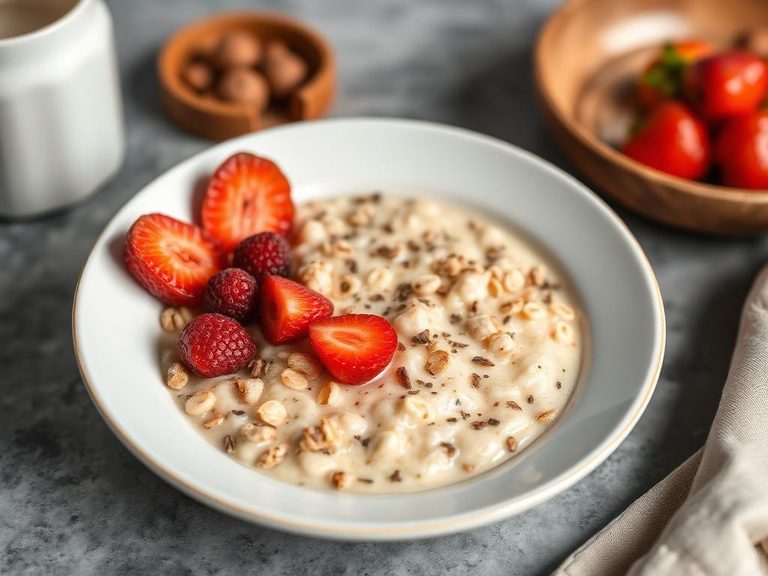
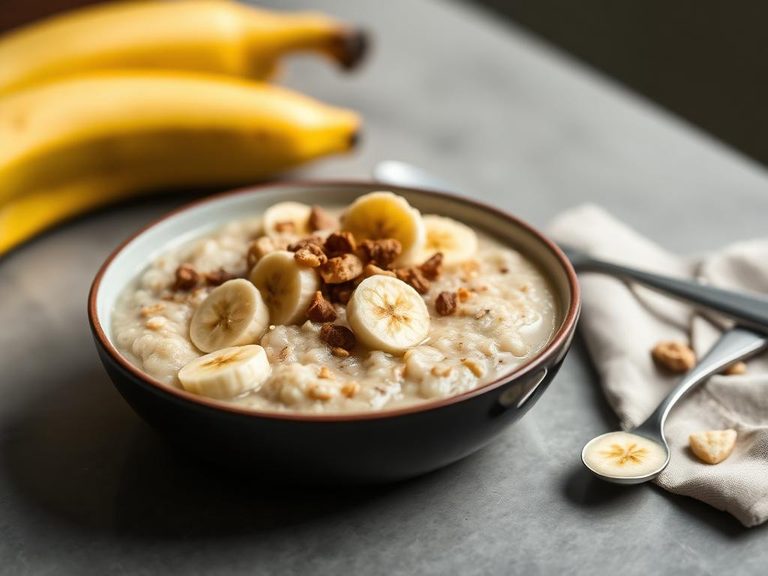
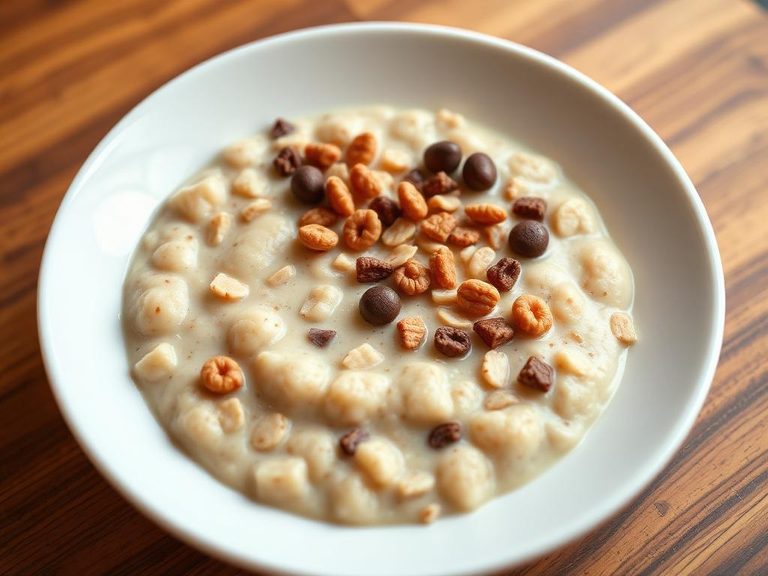
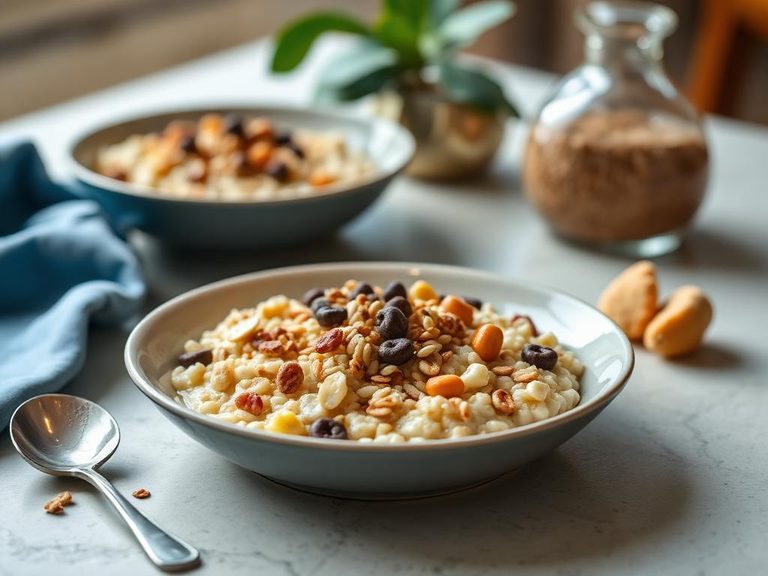
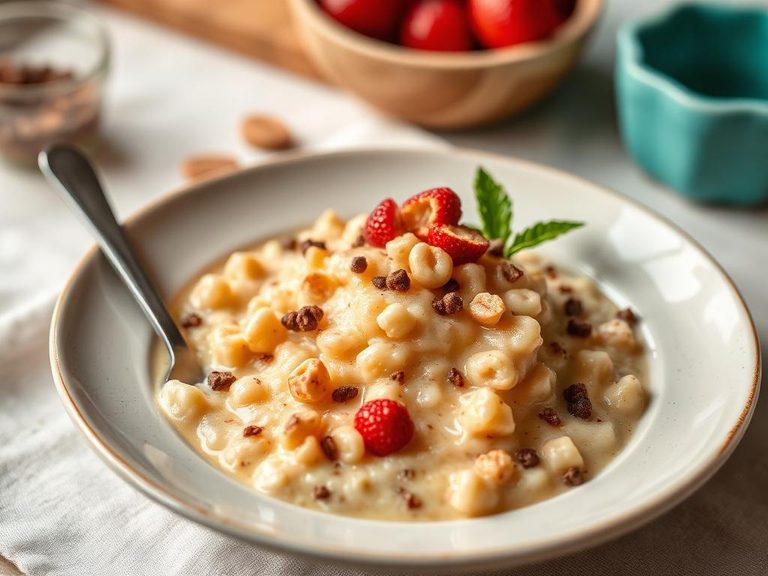
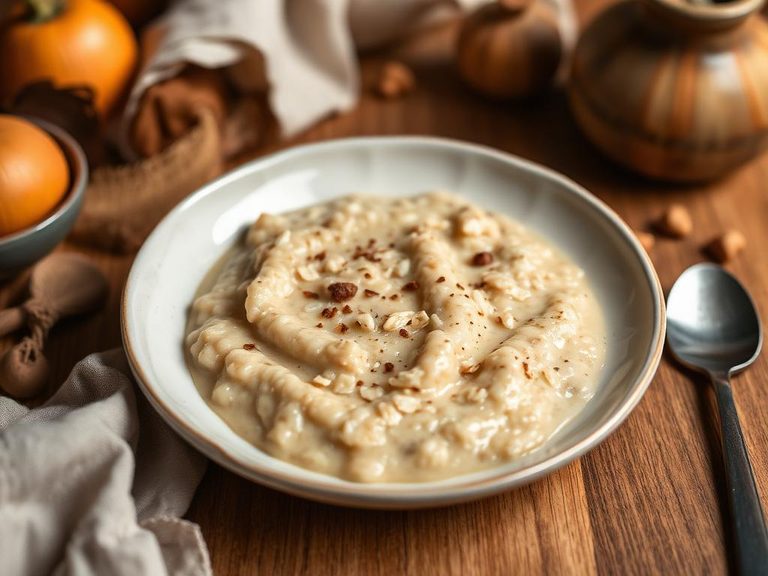
Porridge or hot cereal is a warm, comforting dish made by cooking grains like oats, rice, wheat, or corn in water or milk until soft and creamy. It's a staple breakfast food enjoyed worldwide, with regional variations like congee in East Asia, polenta in Italy, and oatmeal in Western countries. The dish is valued for its simplicity, warmth, and ability to be customized with sweet or savory toppings.
🍽️ Nutrition at a glance
Porridge is primarily a carbohydrate-rich food, providing sustained energy, with moderate protein and low fat depending on the grain and preparation. Key nutrients include fiber (especially from whole grains), B vitamins, iron, and minerals like magnesium and phosphorus, with a typical serving ranging from 150 to 300 calories.
Nutrition breakdown
| Calories | 166 kcal |
| Protein | 5.9 g |
| Carbs | 28.1 g |
| Fat | 3.6 g |
| Fiber | 4 g |
| Sugar | 0.6 g |
| Sodium | 9 mg |
| Iron | 2.1 mg |
| Magnesium | 61 mg |
| Phosphorus | 180 mg |
| Potassium | 164 mg |
| Zinc | 2.3 mg |
| Thiamin (B1) | 0.3 mg |
| Folate | 56 mcg |
| Manganese | 1.5 mg |
Per 1 cup (240 g) · estimated, varies by recipe
💡 What's interesting
Culturally, porridge is one of the oldest and most universal foods, often associated with comfort and healing across many societies. Nutritionally, it's unique for its high soluble fiber content (in oat-based versions), which can support heart health and digestion, and its low glycemic index when made with whole grains.