Plum Compote
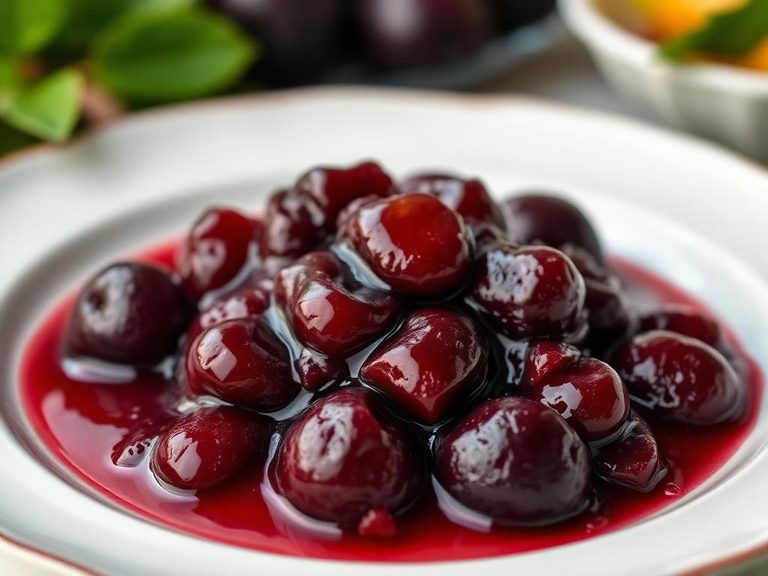
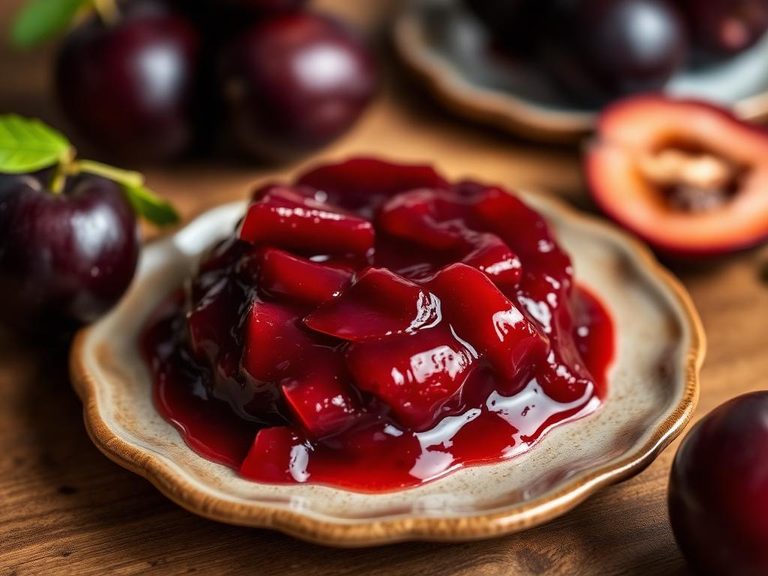
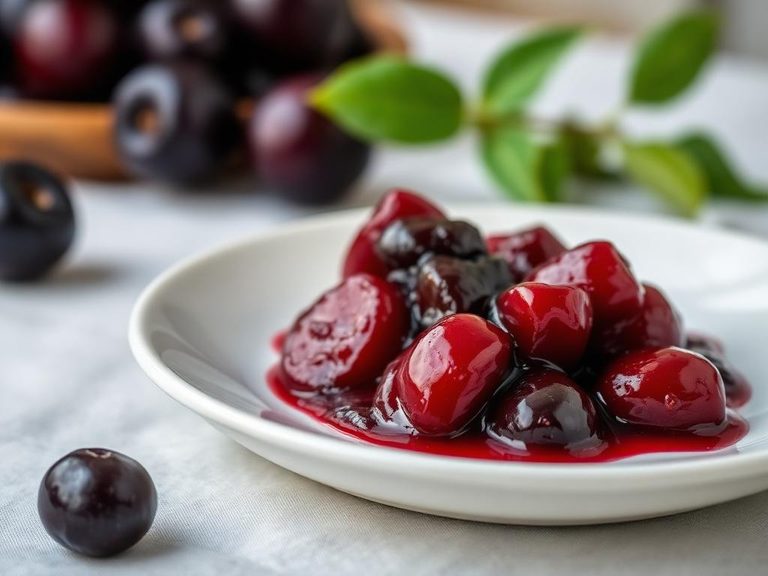
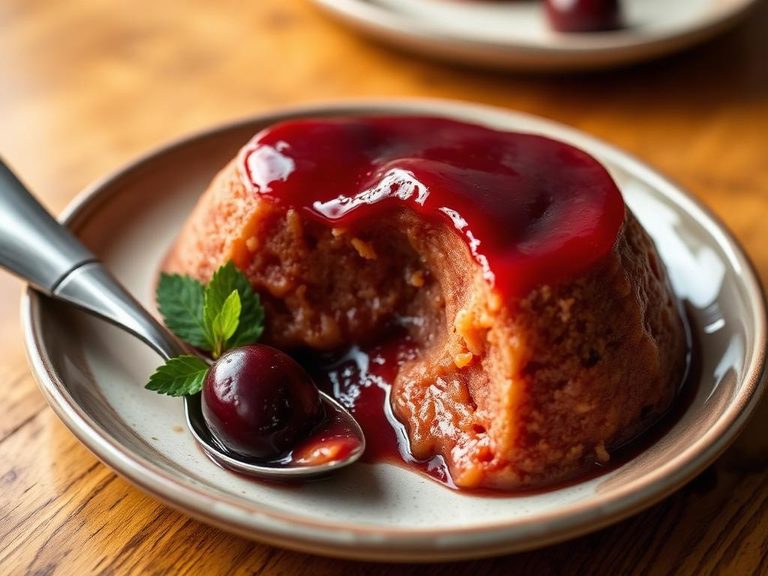
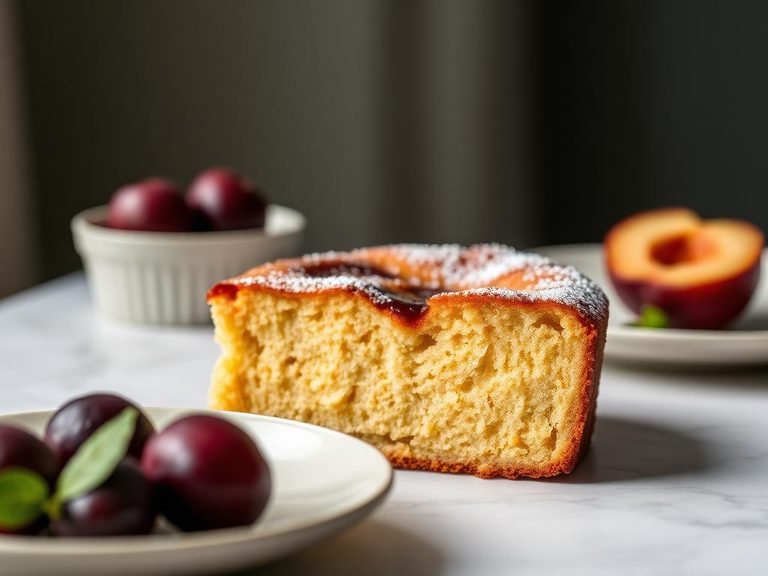
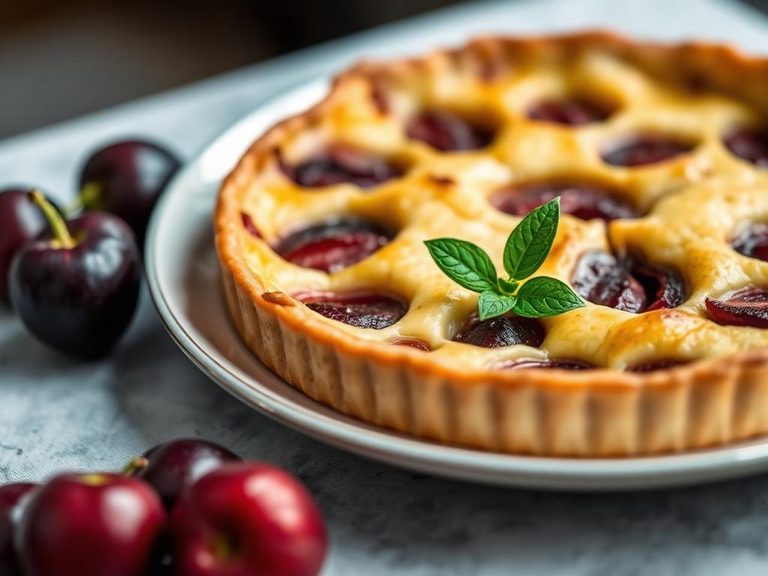
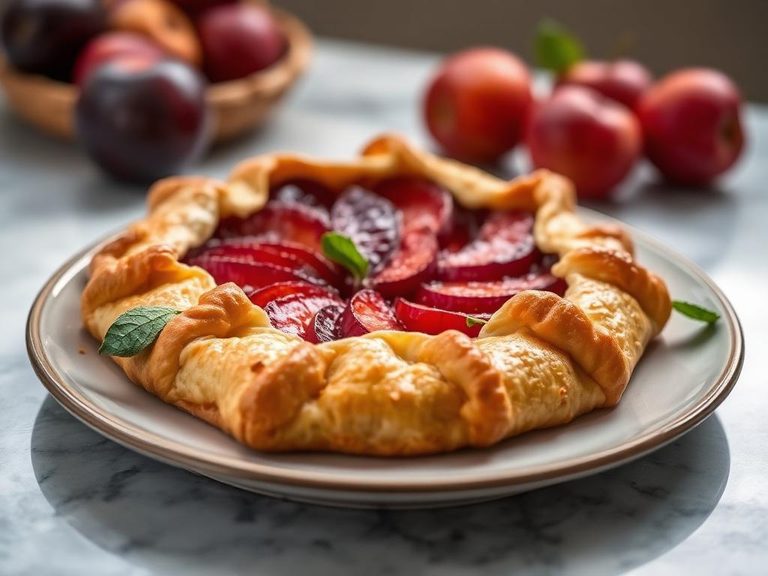
Plum compote is a simple, rustic dessert made by gently simmering plums with sugar and often a touch of water or lemon juice until they soften into a thick, syrupy, chunky sauce. The dish is common across Europe, particularly in Germany, Poland, and Scandinavia, and is also enjoyed in many other cuisines around the world. It's a classic way to preserve the fruit's flavor and can be served warm or cold.
🍽️ Nutrition at a glance
Plum compote is primarily a source of carbohydrates from the natural fruit sugars and any added sweetener, with negligible fat and protein. It provides a good amount of dietary fiber, vitamin C, and potassium, with a typical serving containing roughly 150-200 calories.
Nutrition breakdown
| Calories | 180 kcal |
| Protein | 1.5 g |
| Carbs | 44 g |
| Fat | 0.5 g |
| Fiber | 4 g |
| Sugar | 36 g |
| Sodium | 10 mg |
| Potassium | 350 mg |
| Vitamin C | 15 mg |
| Vitamin K | 12 mcg |
| Vitamin A | 450 IU |
| Manganese | 0.3 mg |
| Copper | 0.1 mg |
| Vitamin B6 | 0.1 mg |
| Niacin (B3) | 1.5 mg |
Per 1 cup (240 g) · estimated, varies by recipe
💡 What's interesting
Culturally, compote is a traditional method of preserving fruit before modern canning, and its simplicity allows the unique flavor of different plum varieties to shine. Nutritionally, cooking plums increases the availability of certain antioxidants like phenolic compounds.