

Muesli or granola bowls
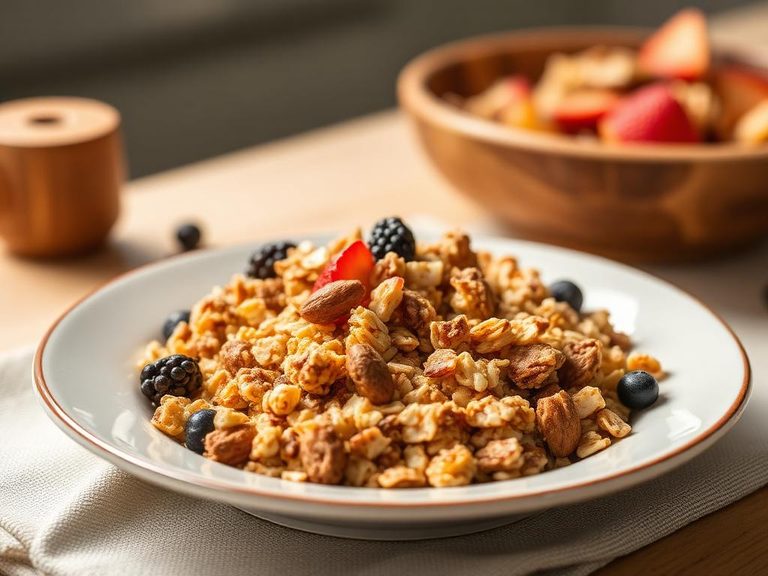
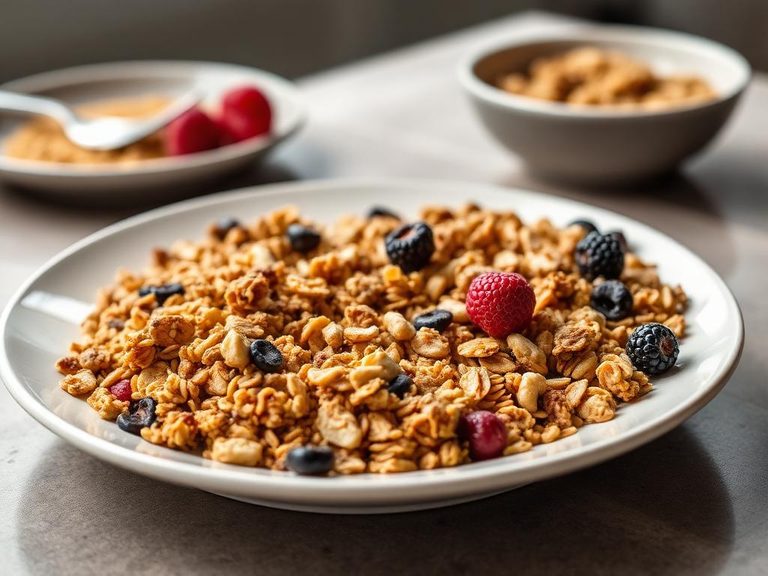
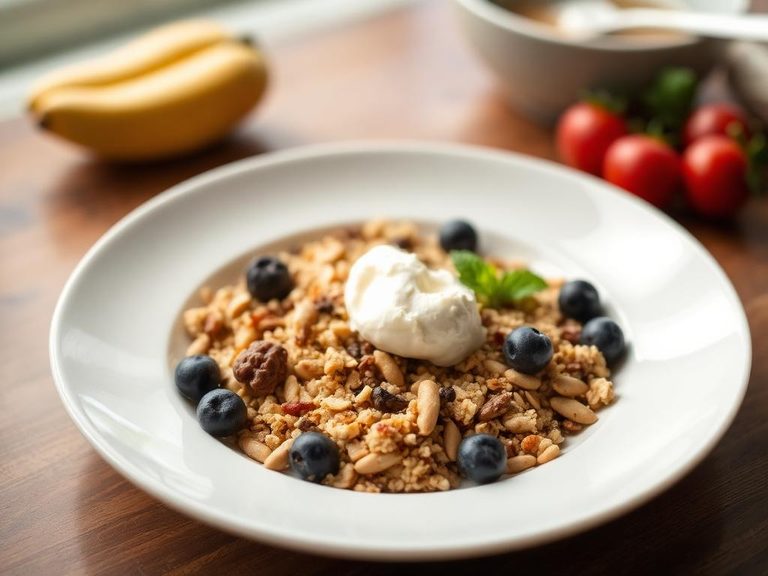
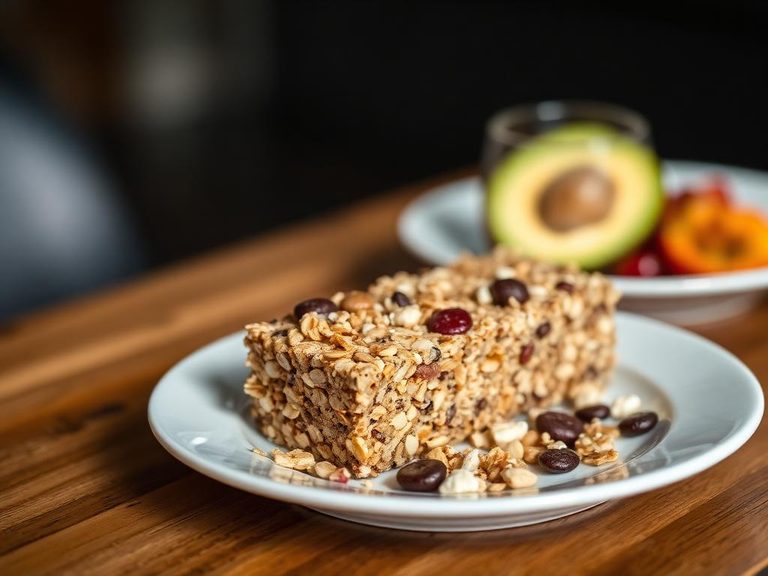
Muesli or granola bowls are customizable breakfast dishes featuring a base of rolled oats, nuts, seeds, and dried fruits, often served with milk, yogurt, or plant-based alternatives. Originating from Swiss health movements in the early 20th century, they've evolved into global staples with endless variations, from tropical fruit toppings to chocolate-infused granola clusters.
🍽️ Nutrition at a glance
These bowls are typically high in complex carbohydrates and fiber, providing sustained energy, with moderate protein from nuts or yogurt and healthy fats from seeds or nut butters. A standard serving ranges from 300 to 500 calories, depending on toppings, and delivers key nutrients like iron, magnesium, and antioxidants.
Nutrition breakdown
| Calories | 400 kcal |
| Protein | 12 g |
| Carbs | 65 g |
| Fat | 12 g |
| Fiber | 8 g |
| Sugar | 20 g |
| Sodium | 150 mg |
| Iron | 6 mg |
| Magnesium | 120 mg |
| Phosphorus | 300 mg |
| Zinc | 4 mg |
| Manganese | 3 mg |
| Thiamin (B1) | 0.6 mg |
| Vitamin B6 | 0.4 mg |
| Folate | 80 mcg |
Per 1 cup (240 g) · estimated, varies by recipe
💡 What's interesting
Culturally, muesli was originally a medical dietary invention by Swiss doctor Maximilian Bircher-Benner, while granola emerged in America as a health food movement, making these bowls symbols of wellness trends across continents. Nutritionally, their unique blend of whole grains and natural ingredients supports gut health and can be adapted for dietary needs, like gluten-free or vegan lifestyles.
🍽️ Related dishes
AI estimate may be inaccurate · Terms