

Margarine substitute

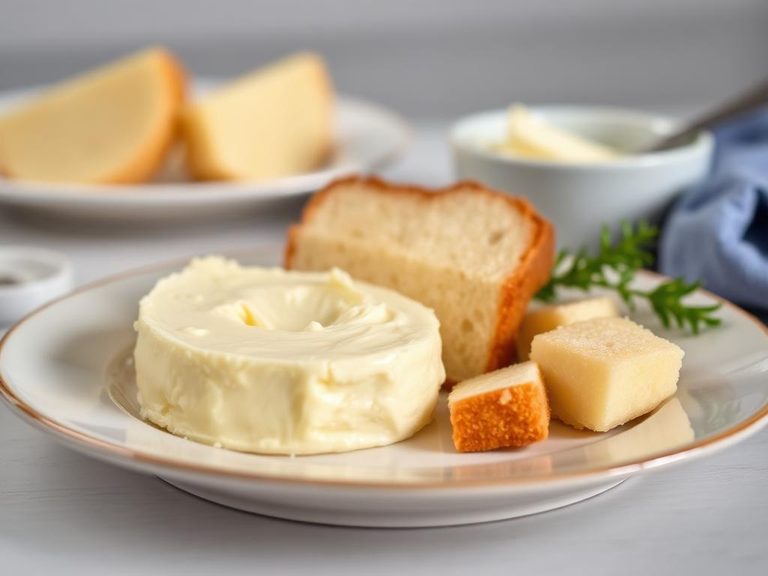
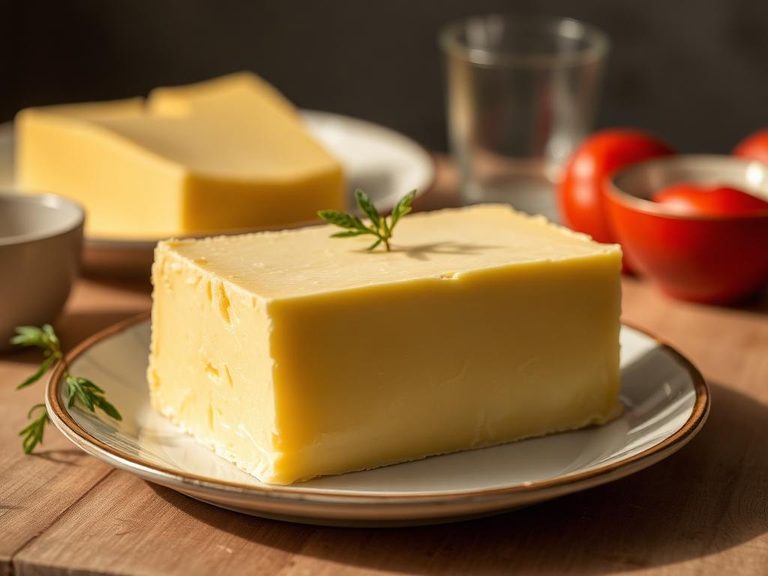
A margarine substitute is a plant-based spread designed to mimic butter, typically made from refined vegetable oils like soybean, canola, or sunflower, often blended with water, salt, and emulsifiers. It originated in the early 19th century as a cheaper alternative to butter and is now a common pantry staple globally, especially in vegan and lactose-free cooking.
🍽️ Nutrition at a glance
This spread is high in fat, primarily from vegetable oils, and contains minimal protein and carbohydrates. A typical serving provides a significant amount of vitamin E and, if fortified, vitamins A and D, with a calorie count around 100 kcal per tablespoon.
Nutrition breakdown
| Calories | 100 kcal |
| Protein | 0 g |
| Carbs | 0 g |
| Fat | 11 g |
| Fiber | 0 g |
| Sugar | 0 g |
| Sodium | 90 mg |
| Vitamin E | 1.5 mg |
| Vitamin A | 115 mcg RAE |
| Vitamin D | 1.5 mcg |
| Sodium | 90 mg |
| Potassium | 5 mg |
Per 1 tablespoon (14 g) · estimated, varies by recipe
💡 What's interesting
Margarine was famously the subject of the 'Margarine Wars' in the late 1800s, where dairy lobbyists pushed for laws to color it pink or label it distinctly to differentiate it from butter. Nutritionally, its profile can vary widely—from low in saturated fat to containing trans fats, depending on whether it's made through partial hydrogenation or newer interesterification processes.
🍽️ Related dishes



AI estimate may be inaccurate · Terms