Non-dairy margarine
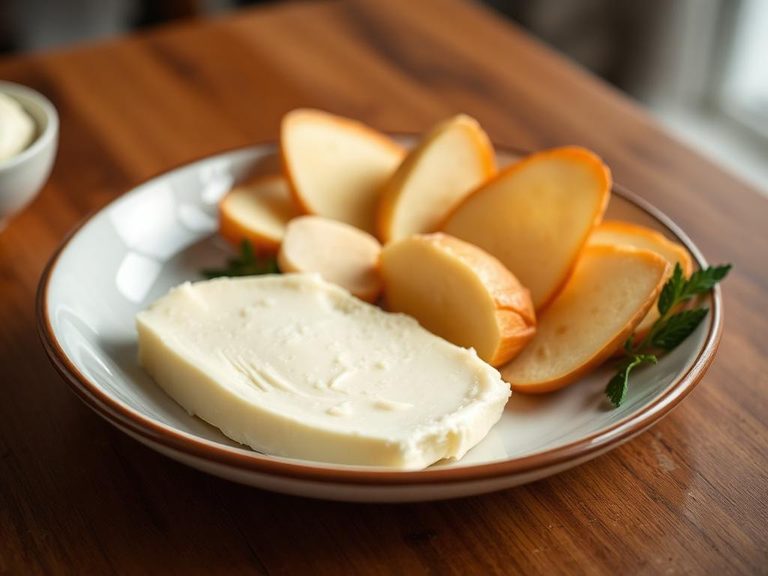
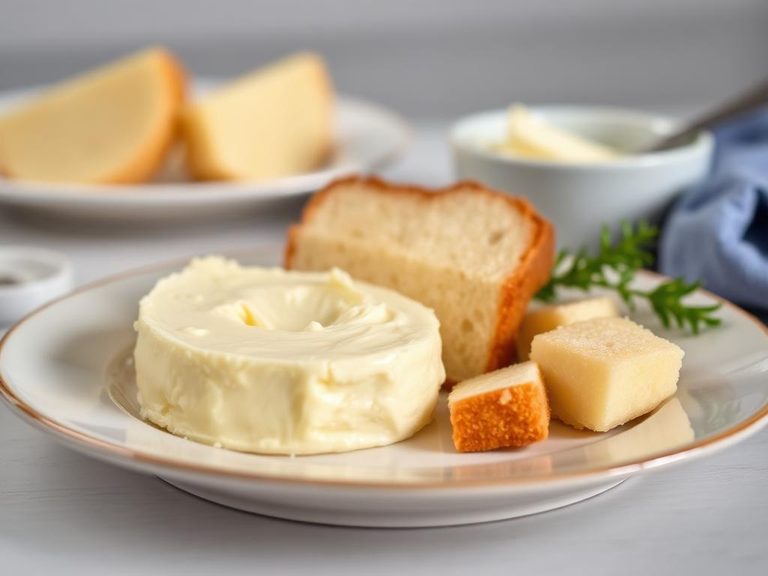
Non-dairy margarine is a plant-based spread designed as a butter alternative, typically made from refined vegetable oils like soybean, canola, or sunflower, often blended with water, salt, and emulsifiers. It originated in Europe in the 19th century as a cheaper substitute for butter and has since become a global staple, especially in vegan and lactose-free diets.
🍽️ Nutrition at a glance
This is a high-fat product, with most calories coming from fats, and it contains virtually no protein or carbohydrates. It can be a source of vitamin E and, if fortified, vitamin D and B12, but it is often high in sodium.
Nutrition breakdown
| Calories | 100 kcal |
| Protein | 0 g |
| Carbs | 0 g |
| Fat | 11 g |
| Fiber | 0 g |
| Sugar | 0 g |
| Sodium | 120 mg |
| Vitamin E | 1.5 mg |
| Vitamin A | 120 mcg RAE |
| Vitamin D | 1.5 mcg |
| Vitamin B12 | 0.3 mcg |
| Calcium | 5 mg |
| Potassium | 10 mg |
| Phosphorus | 5 mg |
| Manganese | 0.1 mg |
Per 1 tablespoon (14 g) · estimated, varies by recipe
💡 What's interesting
Nutritionally, its profile can vary widely from brand to brand, with some formulations designed to mimic the saturated fat content of butter while others use healthier unsaturated oils. Culturally, it represents a key innovation in food technology that enabled dietary choices for those with dairy restrictions long before modern veganism became mainstream.