Non-dairy whipped topping
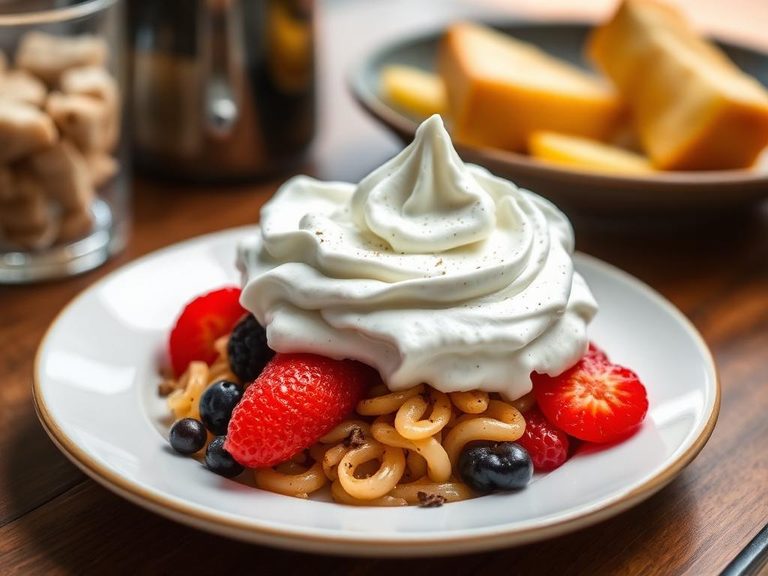
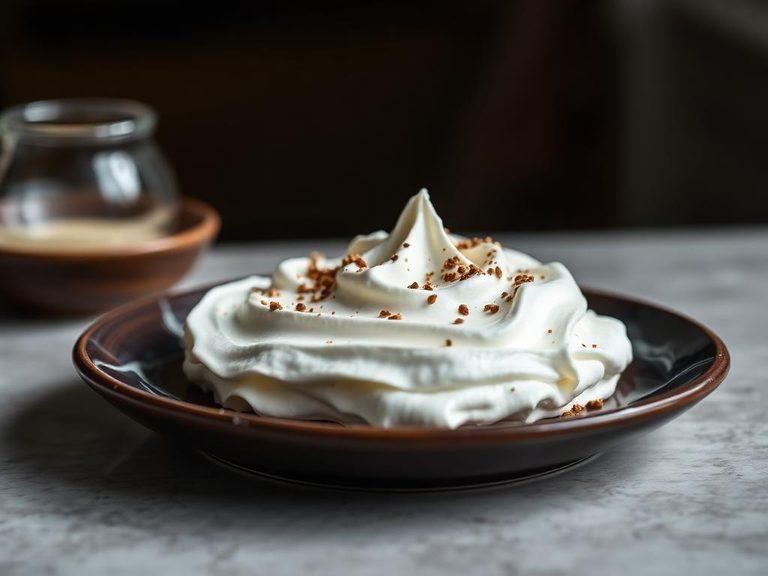
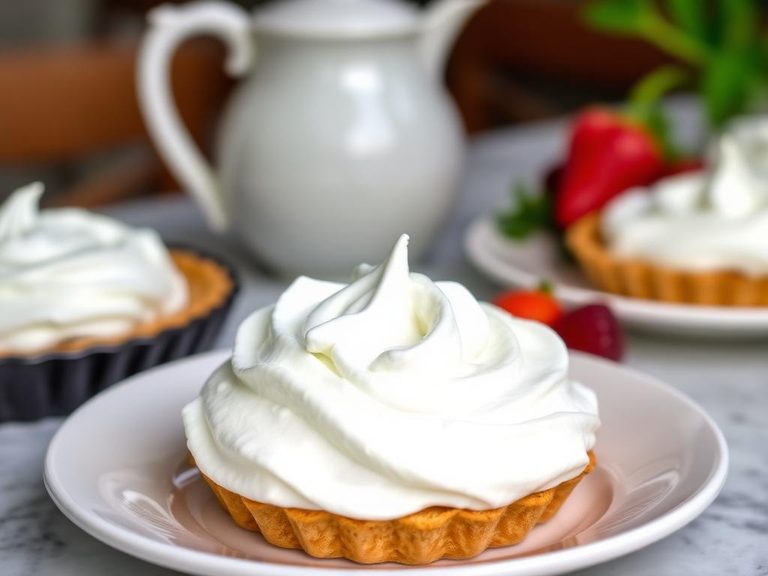
Non-dairy whipped topping is a plant-based alternative to traditional whipped cream, designed to be light, fluffy, and stable for desserts. It is typically made from a blend of vegetable oils (like coconut or palm kernel oil), water, sweeteners, and stabilizers such as soy protein or polysorbates. Originating as a convenient and longer-lasting substitute in the mid-20th century, it is now a staple in kitchens worldwide for those avoiding dairy.
🍽️ Nutrition at a glance
This topping is generally high in fat and carbohydrates, with very little protein. A typical serving provides a quick energy boost from sugars and fats, along with small amounts of added vitamins like Vitamin A and D, but is not a significant source of essential nutrients.
Nutrition breakdown
| Calories | 50 kcal |
| Protein | 0.3 g |
| Carbs | 2 g |
| Fat | 5 g |
| Fiber | 0 g |
| Sugar | 1 g |
| Sodium | 10 mg |
| Vitamin A | 15 mcg RAE |
| Vitamin D | 0.2 mcg |
| Calcium | 2 mg |
| Iron | 0.05 mg |
| Potassium | 10 mg |
Per 2 tablespoons (30 g) · estimated, varies by recipe
💡 What's interesting
Culturally, it represents the rise of processed, shelf-stable convenience foods in the post-war era and is a key ingredient in many vegan and lactose-free dessert recipes. Nutritionally, its unique feature is its ability to mimic the texture of dairy cream using emulsifiers and hydrogenated oils, making it a functional, though less nutrient-dense, substitute.