Non-dairy creamers
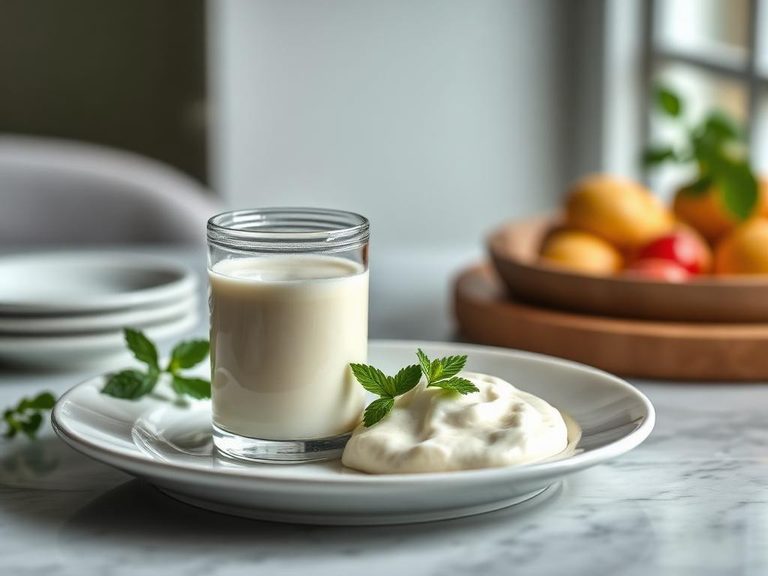
Non-dairy creamers are shelf-stable, liquid or powdered additives designed to mimic the taste and texture of milk or cream in beverages like coffee and tea. They are typically made from vegetable oils (like coconut or palm kernel oil), corn syrup solids, and emulsifiers. Originating in the mid-20th century United States as a convenient and longer-lasting alternative to fresh dairy, they are now a global pantry staple.
🍽️ Nutrition at a glance
Non-dairy creamers are generally high in carbohydrates (often from added sugars or corn syrup) and fats (from processed vegetable oils), with little to no protein. A typical serving provides a quick source of calories and may contain added vitamins and minerals like calcium and vitamin D, but is often considered a source of 'empty calories'.
Nutrition breakdown
| Calories | 35 kcal |
| Protein | 0 g |
| Carbs | 5 g |
| Fat | 1.5 g |
| Fiber | 0 g |
| Sugar | 5 g |
| Sodium | 5 mg |
| Calcium | 20 mg |
| Vitamin D | 0.5 mcg |
| Potassium | 15 mg |
| Phosphorus | 10 mg |
| Vitamin A | 15 mcg |
| Vitamin B12 | 0.3 mcg |
| Iron | 0.2 mg |
| Magnesium | 2 mg |
Per 2 tablespoons (30 ml) · estimated, varies by recipe
💡 What's interesting
Despite the name, most non-dairy creamers are not vegan, as they often contain the milk derivative casein, which can cause reactions in people with dairy allergies. Their invention was a direct response to the need for a coffee whitener that wouldn't spoil, revolutionizing office and home coffee culture.